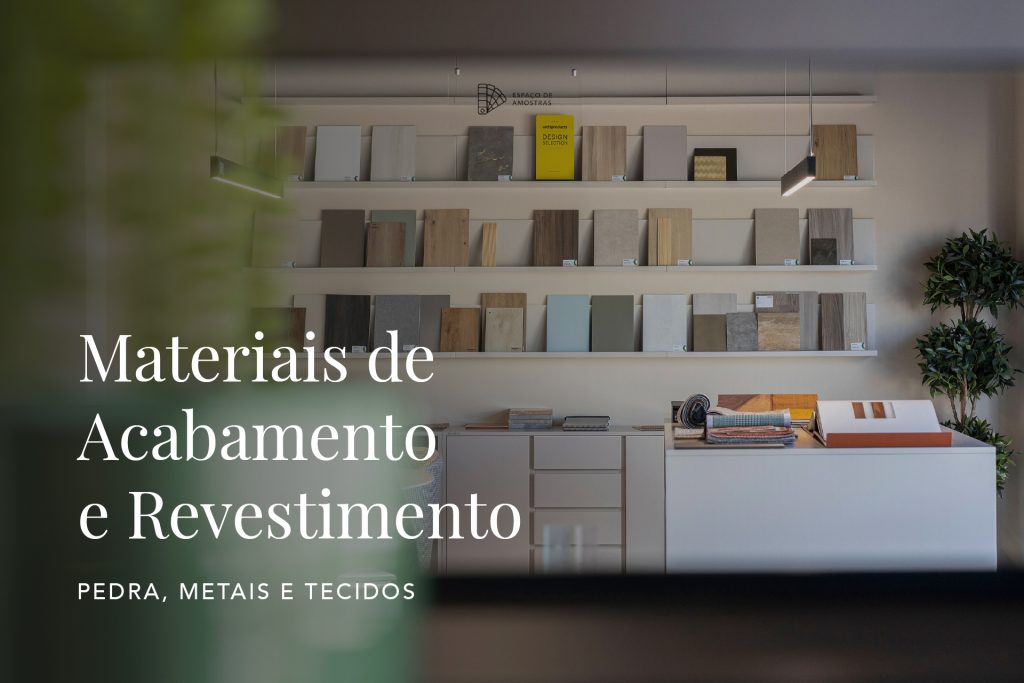
Finishing and coating materials are often seen as the final touch of a project; however, this ideology could not be further from the truth. In interior design, they are the starting point for creating memorable atmospheres. It is through them that an environment gains depth, character, and a sophistication that, though silent, does not go unnoticed.
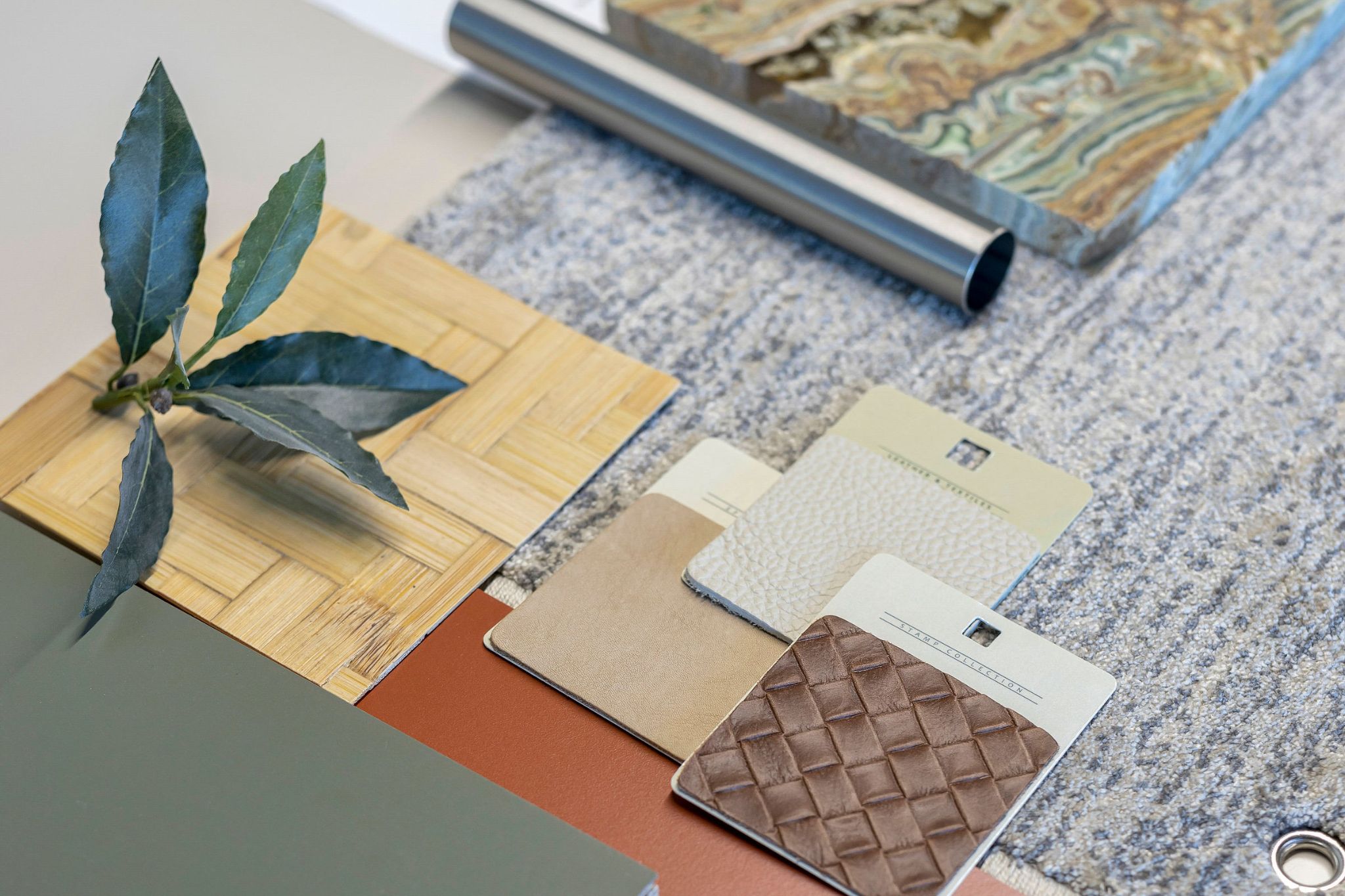
Among the most striking elements, four essential protagonists stand out: stone, with its natural grandeur; metals, with the precision of reflection and form; fabrics, which envelop and provide warmth; and woods, which offer living matter, heat, and timelessness. Together, they compose the sensory and strategic foundation of any truly luxurious interior.
Discover how choosing the right materials transforms a commonplace space into a stunning environment.
-
- Materiais de Acabamento e Revestimento
What Are Finishing Materials?
In architecture and interior design, finishing materials are all the visible elements used to coat, protect, or embellish built surfaces. Essentially, they are the first thing our eyes notice.
Unlike structural materials, which ensure the stability and support of the building (such as concrete, brick, or steel), finishes act on the final layer of the project. To put it simply, finishing materials are the “skin” of the space.
The choice of these materials has a direct impact on the perception of quality, style, and durability. A polished marble floor, a brushed natural wood wall, or a ceiling lined with acoustic fabric not only define the look of a room but also communicates a certain level of sophistication and attention to detail.
-
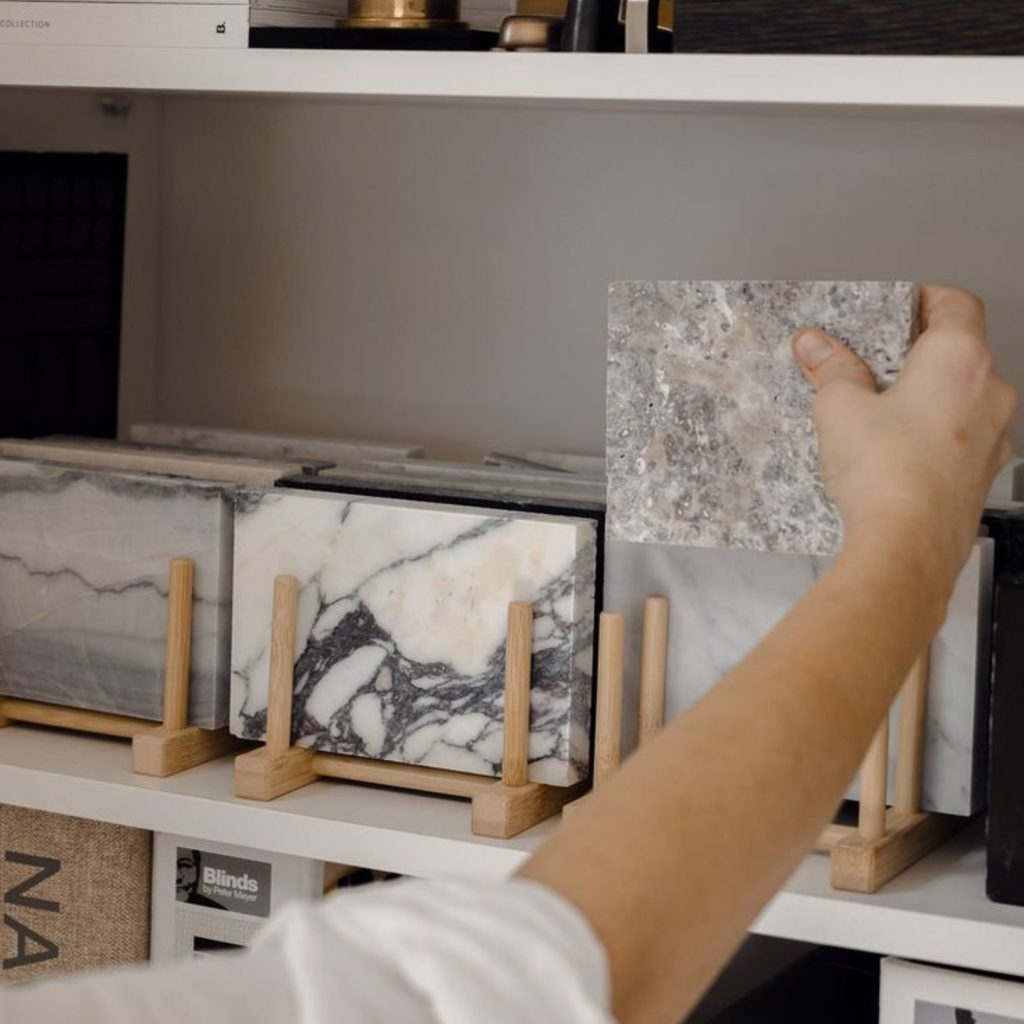
- Amostras de Mármore | Fonte: Pinterest
-

- Parede em Madeira Natural | Fonte: Pinterest
Stone in Interior Design
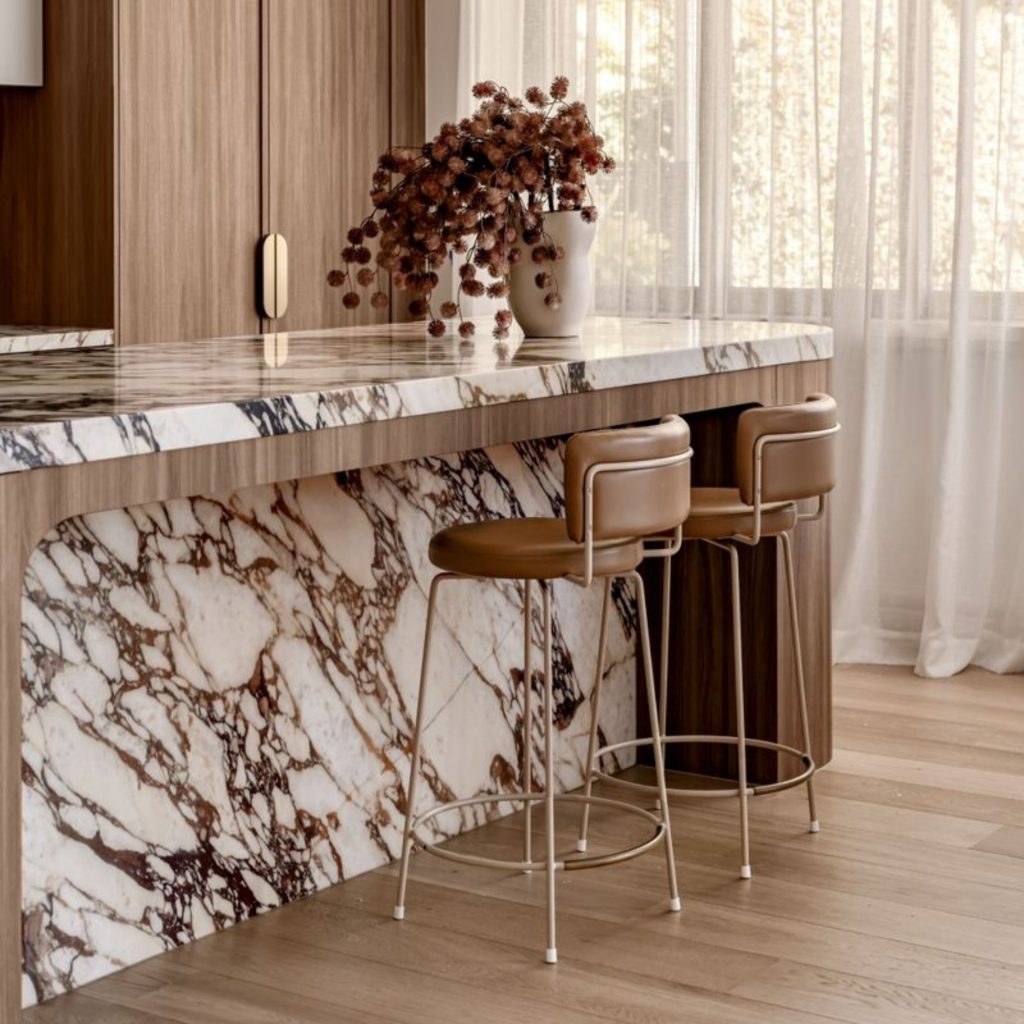
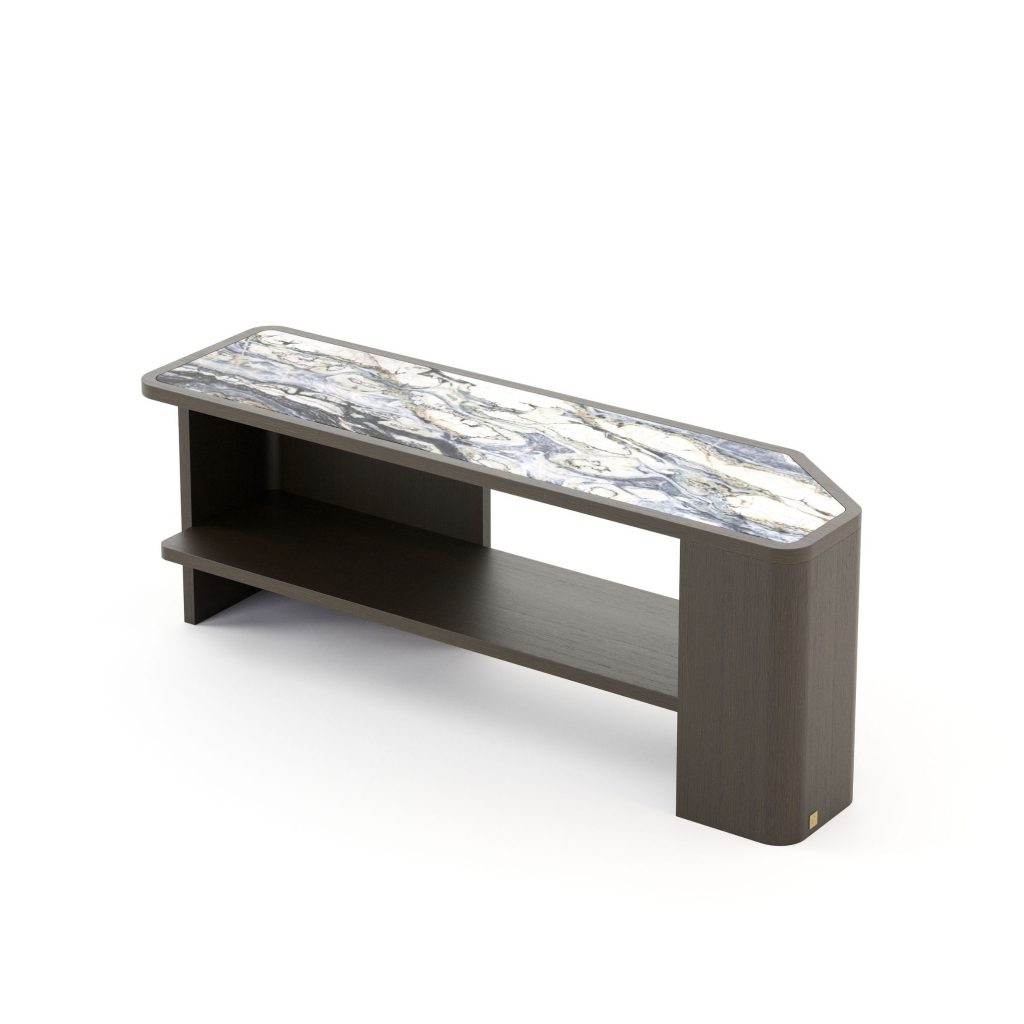
Stone has been asserting itself not just as a structural material but as a sculptural and sensory presence. Among the most valued materials, marble remains timeless, with a focus on variations such as Travertino Rosso — used in pieces like the Margem Console — and marbles like Calacatta Oro and Estremoz, which combine striking veining with luminosity.
Technical ceramics have also gained significant momentum as finishing and coating materials. Examples include Amazonico Slate, used in the composition of the Stone dining table, or Neolith Colorado Dunes Polished, which brings the top of the Margem coffee table to life. These materials offer the aesthetic of stone paired with innovation and durability.
Stone reveals its full potential in countertops, floors, walls, or even furniture pieces, such as the Stone side table in travertine, which exemplifies the fusion of form and matter. More than just a coating, stone imparts weight, texture, and character to a space.
-
- Acabamento em Pedra aplicado na Ilha de uma Cozinha Moderna
-
- Consola Margem
-

- Amostras de Acabamentos em Pedra
Metals as Elements of Contrast and Refinement
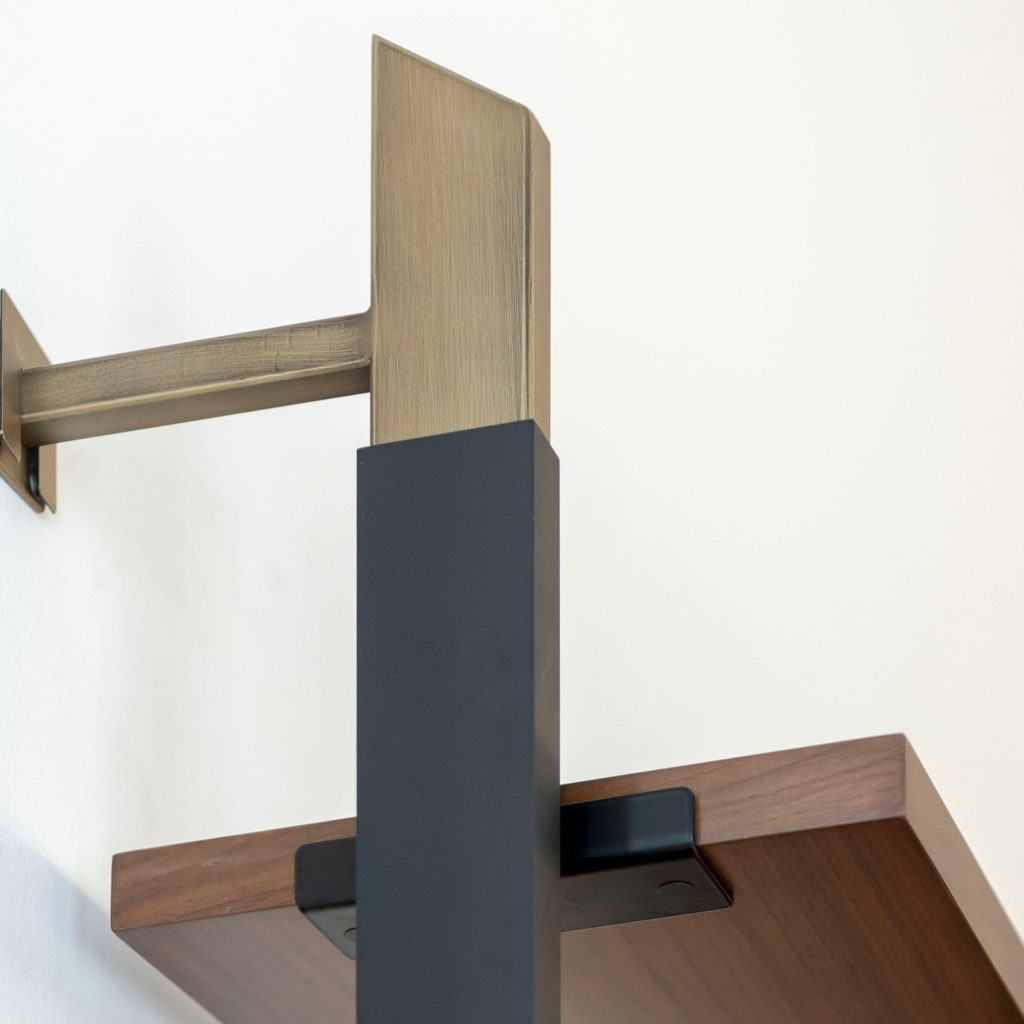
Metals function as visual accents of precision, elements that structure, delineate, and reflect the intent of the project. Bronzed iron and black iron remain predominant choices for their sobriety and graphic presence, creating elegant contrasts in neutral-based environments or alongside natural materials.
However, the options do not end there. More expressive alternatives exist, such as brushed brass, polished stainless steel, or oxidized copper, which add controlled shine and texture to the space.
Their application is typically found in profiles, handles, lighting fixtures, or other exposed structures. Examples include the Her bookcas and the His day system, where the metallic structure not only supports but defines the visual identity of the piece.
-

- Metais como Acentos Visuais | Fonte: Pinterest
-

- Detalhes Metálicos | Fonte: Pinterest
-
- Acabamentos do Sistema de Dia His
Fabrics That Envelop the Space
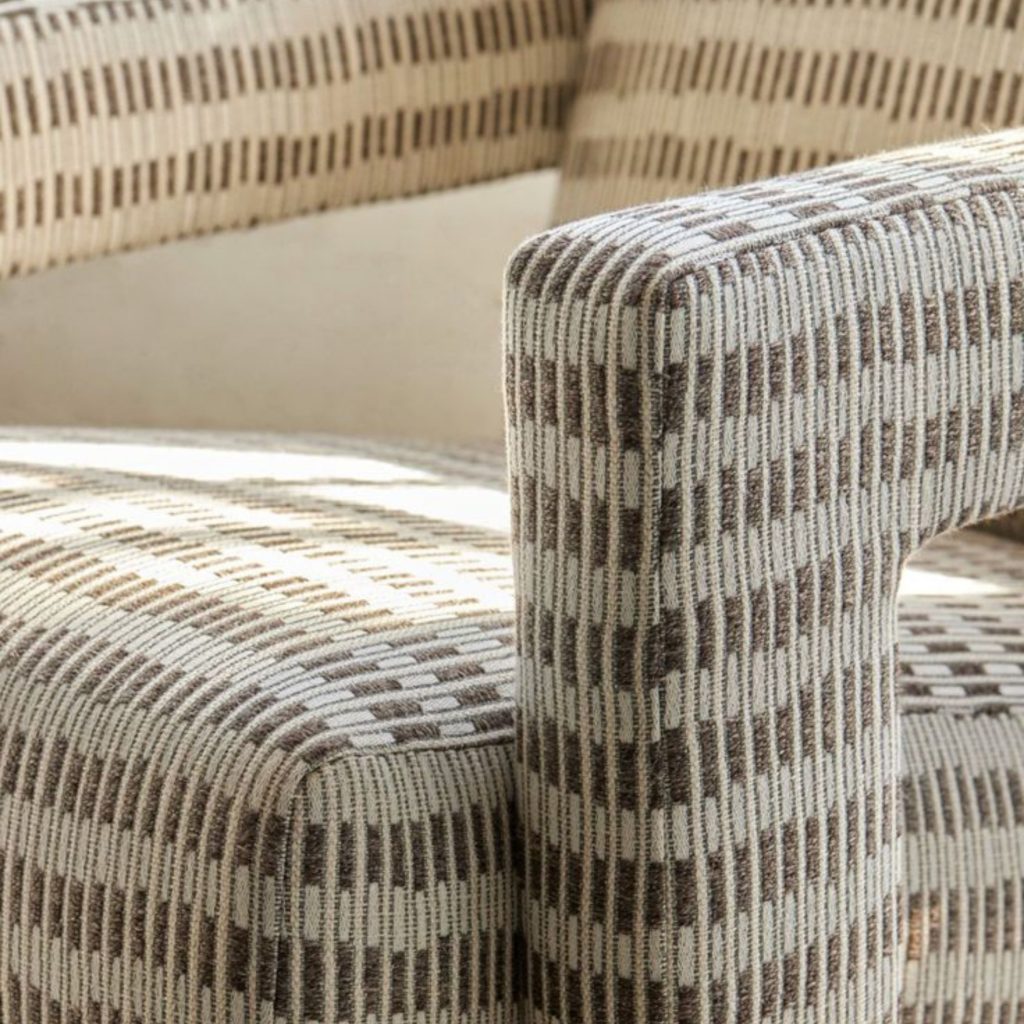
Fabrics play an essential role. They are what soften the architecture, welcome the body, and reinforce the sensory dimension of the space.
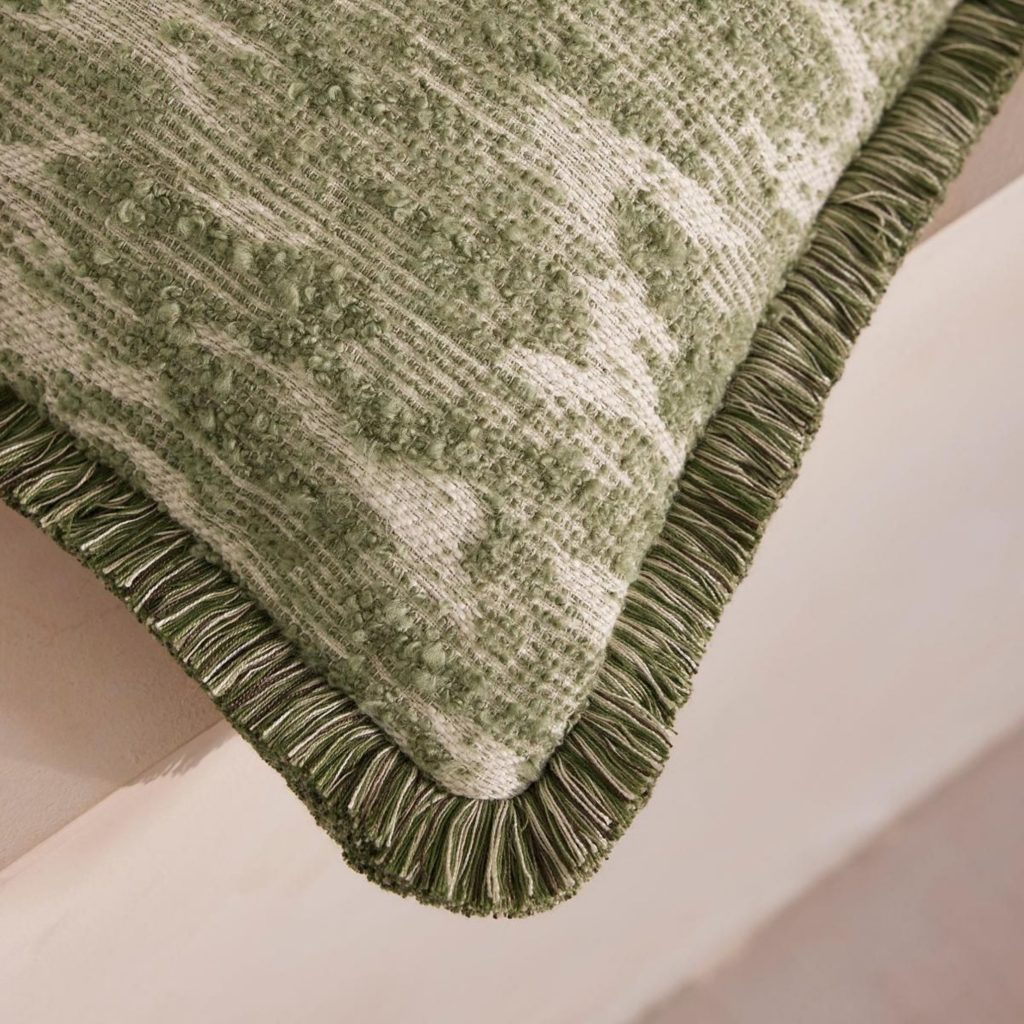
Among the noble materials most sought after today, natural fibers (as seen in the Toro chairs) and suede (applied to the Antónia Sofa) stand out, combining tactile softness with a contemporary appearance. These materials coexist with classics like velvet, washed linen, bouclé, and natural leather, all of which assert themselves through visual richness and subtlety of touch.
These fabrics appear primarily in upholstery, decorative pillows, curtains, and acoustic panels, acting simultaneously as aesthetic, thermal, and acoustic elements.
-
- Tecidos que Reforçam a Dimensão Sensorial | Fonte: Pinterest
-

- Riqueza Visual e Subtileza ao Toque.
-
- Tecidos Texturizados em Almofadas Decorativas | Fonte: Pinterest
Sculpted Woods
When speaking of wood, Jota Barbosa clients always show a deep interest in eucalyptus, oak, and walnut. These woods can integrate into spaces with different finishes, from matte, which emphasizes texture and rusticity, to high gloss, which intensifies color depth and creates elegant reflections. This variety provides versatile solutions for projects requiring both modernity and coziness.
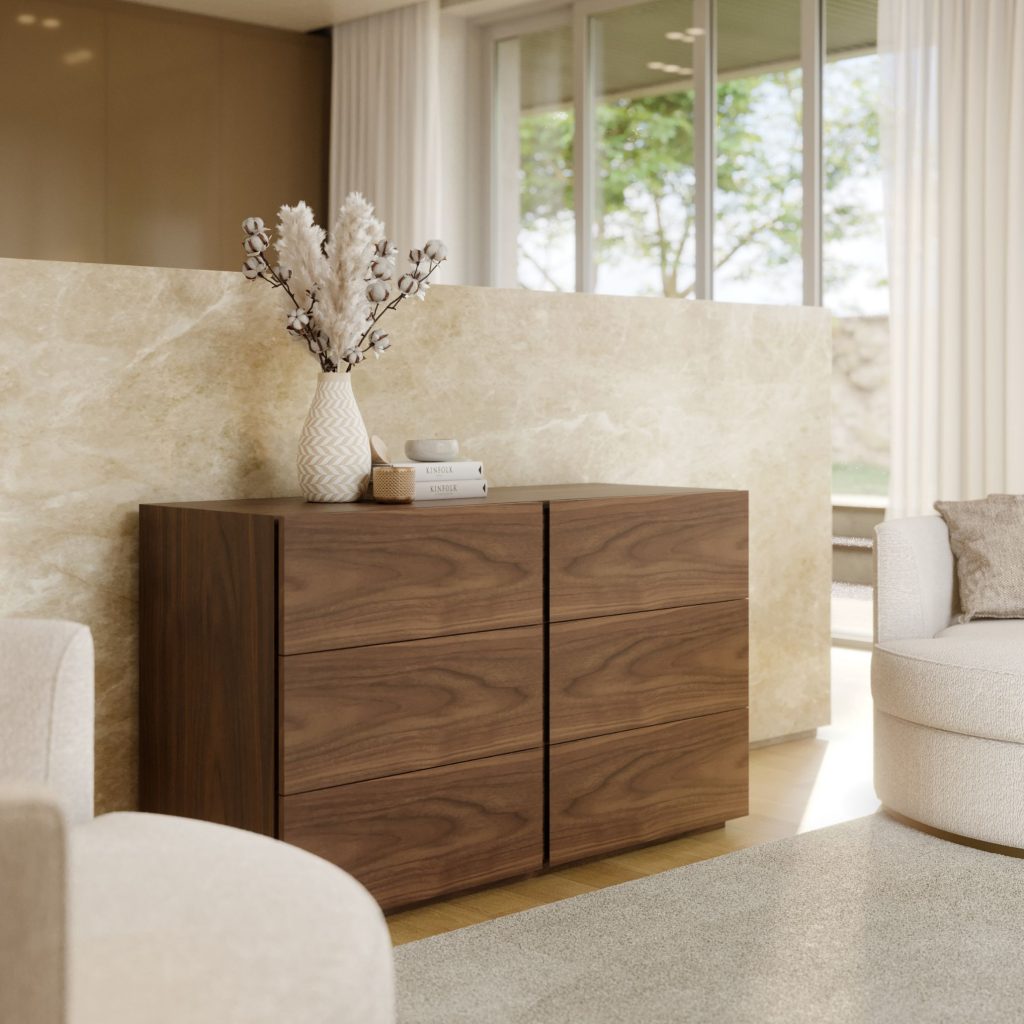
The strategic use of wood in interior design includes elements like wall panels, which create immersive and welcoming environments, or furniture pieces like the Santorini chest of drawers, which features a matte walnut finish. Finishing and coating materials do more than fill a room; they find ways to naturally incorporate elements of nature into the space.
-
- Cómoda Sevilha
-

- Acabamento em Madeira Mate | Fonte: Pinterest
-

- Madeira como Material de Revestimento
Finishing and coating materials are fundamental in defining the quality and character of a project. More than simple choices, they are strategic decisions that impact the experience of the space.
After reading this article, we invite you to look at these materials with a new perspective, recognizing the role of each element in building a space with identity. Whether in your own projects or in the environments you frequent, start to appreciate the presence of materials.