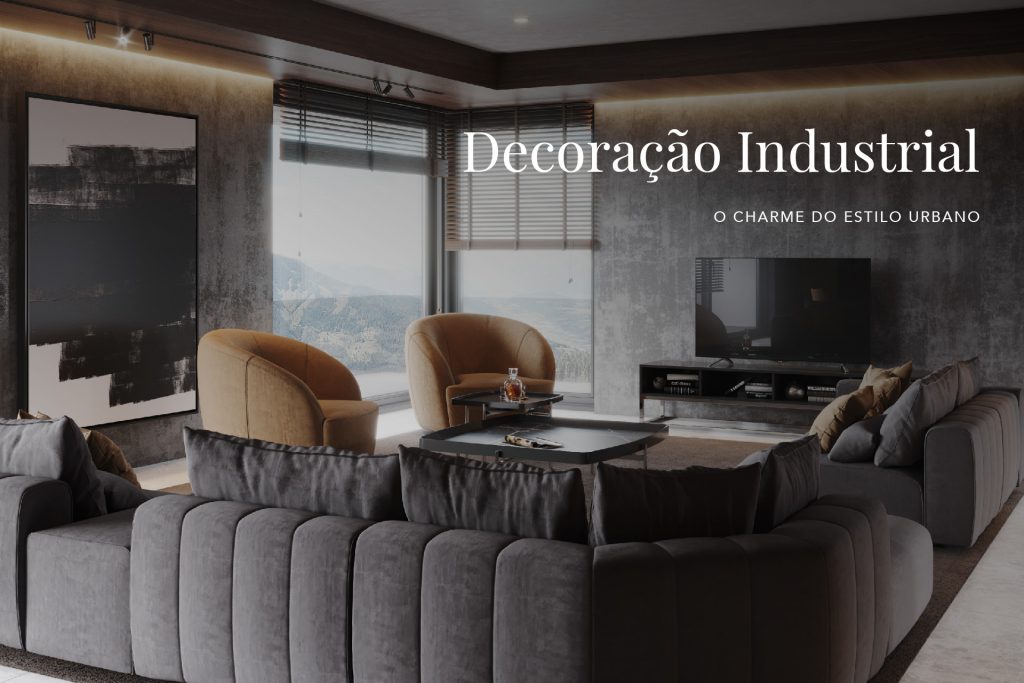
Industrial decor was born from the American crisis of 1929, which led to the abandonment of numerous factories and warehouses throughout New York City, including in prime locations such as the city’s central regions. As soon as the crisis began to impact housing prices, it wasn’t long before people started looking for alternative spaces as residential options. Factories were converted into industrial lofts with open-plan layouts that embraced exposed materials and windows that covered entire walls.
Surprisingly, the popularity of this interior design style grew throughout the world and is currently a trend with enormous demand. Recently, the rise of styles such as minimalism, Scandinavian, and hygge has, once again, sparked a passion for this style, transporting industrial decor from New York lofts to the aesthetic of any space.
In this article, we explore different ways to incorporate the industrial aesthetic into our homes and harmoniously combine it with contemporary interior design trends.
-
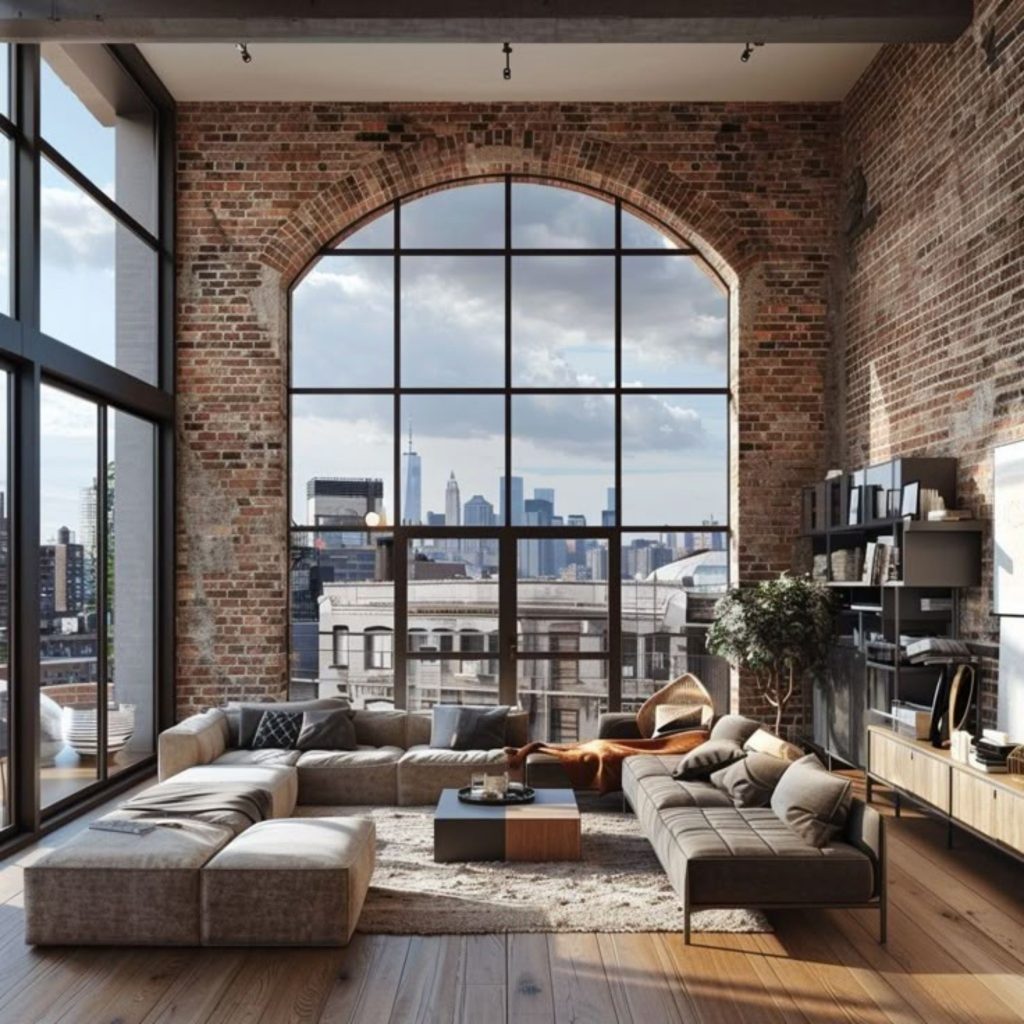
- Loft Industrial | Fonte: Pinterest
-

- Nova Iorque | Fonte: Pinterest
Key Characteristics of Industrial Decor
Raw and Exposed Materials
The essence of this aesthetic approach lies in the appreciation and prominent display of the building’s original structural characteristics. Instead of being hidden, elements such as exposed bricks, raw concrete walls, and structural beams are emphasized, integrating themselves into the space’s decor. These details are part of the space’s identity, creating an authentic energy that celebrates architectural imperfections.
To soften the austerity of this raw space, some natural elements are introduced, such as wood or soft fabrics composed of wool and cotton. In this type of project, it is common to observe an abundant reuse of materials, which translates into unique pieces composed of different types of wood or other recovered materials. This can be seen in furniture such as bookshelves, dining tables, and chairs, creating a highly personalized environment full of history while simultaneously giving a new life to obsolete pieces.
-
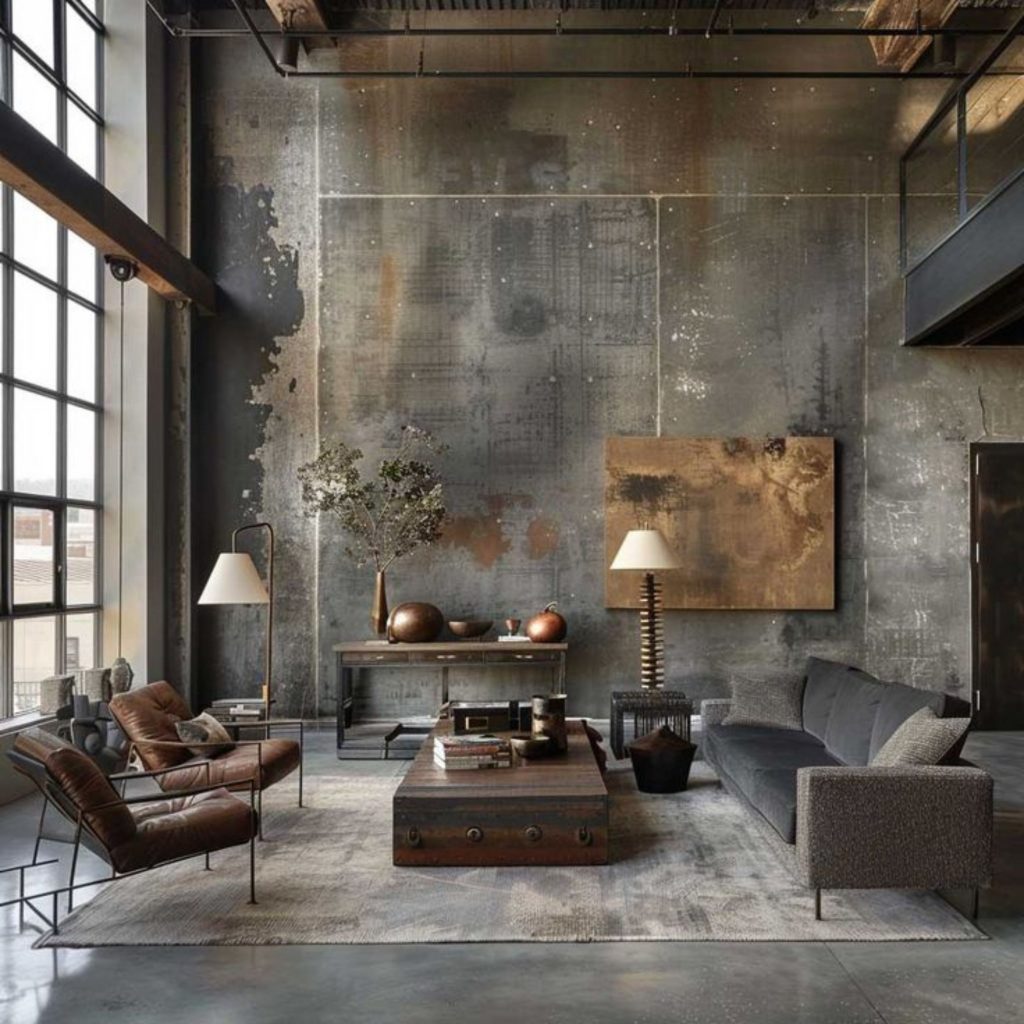
- Concreto bruto | Fonte: Pinterest
-
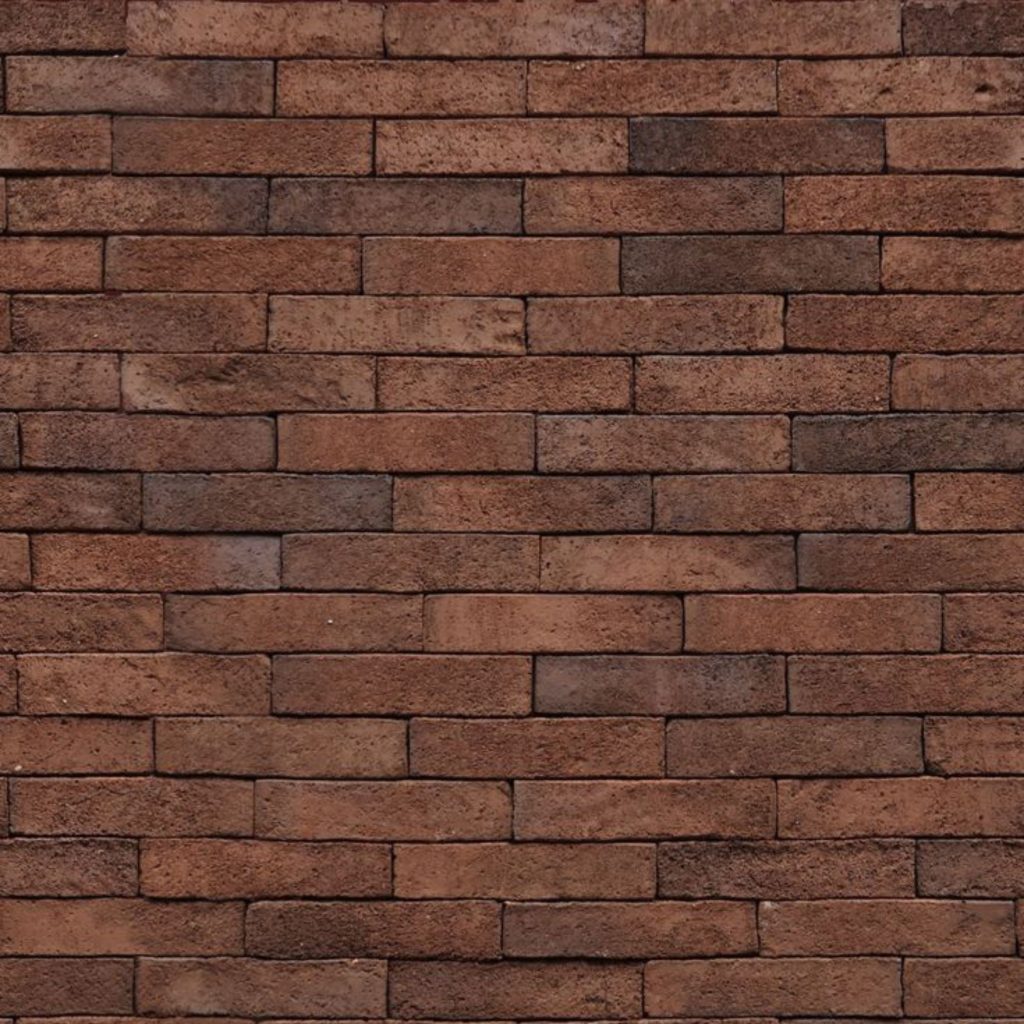
- Tijolos expostos | Fonte: Pinterest
Predominant Colors
In industrial decor, the color palette is predominantly neutral and sober, reflecting the raw essence of the spaces. The scene is mainly painted by different shades of gray, white, and black, evoked by materials such as concrete, iron, and steel. To soften the coolness of these elements, browns, oranges, and beiges are integrated, present in exposed bricks, rustic wooden furniture, and aged leather finishes.
However, this does not imply that we cannot include some colorful tones to brighten the space. Accents of color in burnt red, moss green, or petrol blue will look stunning in small details scattered throughout your home without compromising the elegance of the spaces. It is these nuances that bring warmth and depth to the environment, creating a harmonious contrast between the industrial and the cozy, without compromising the striking identity of this style.
-
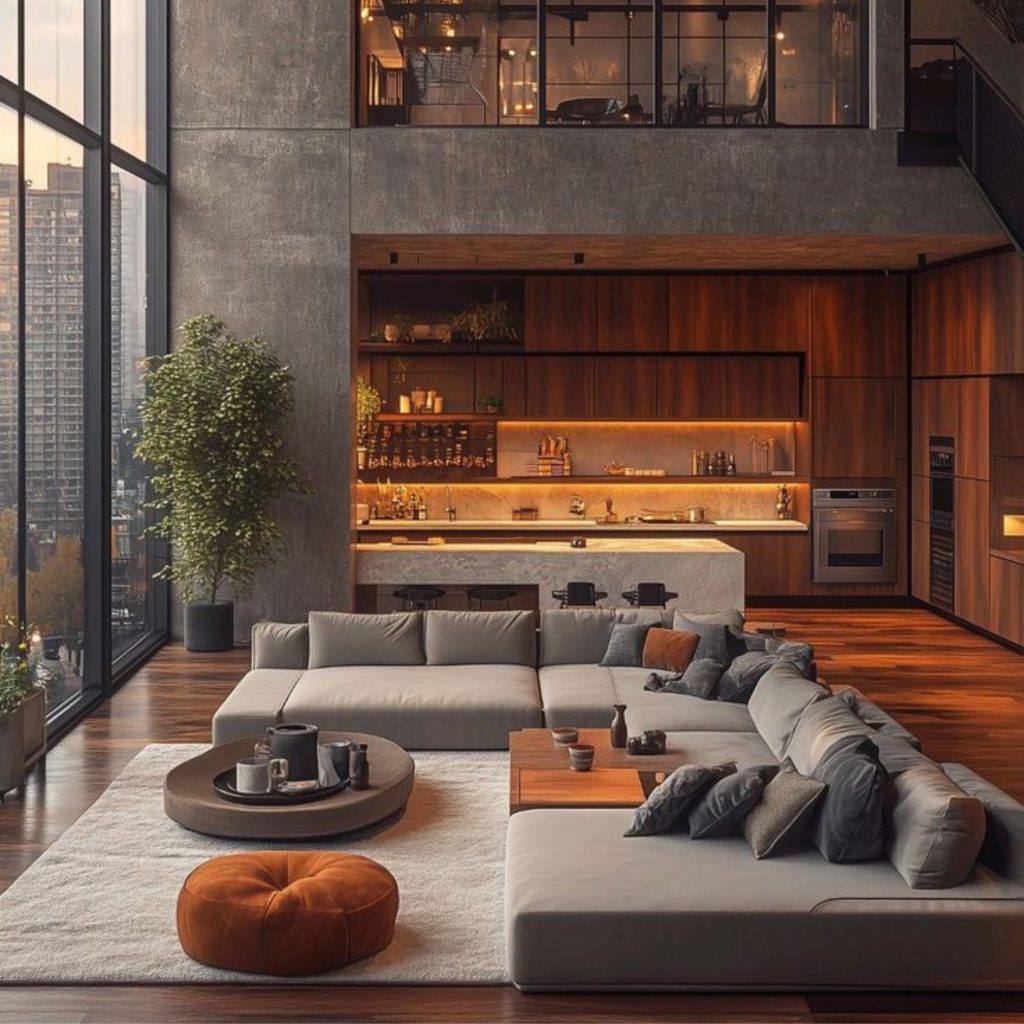
- Decoração minimalista | Fonte: Pinterest
-
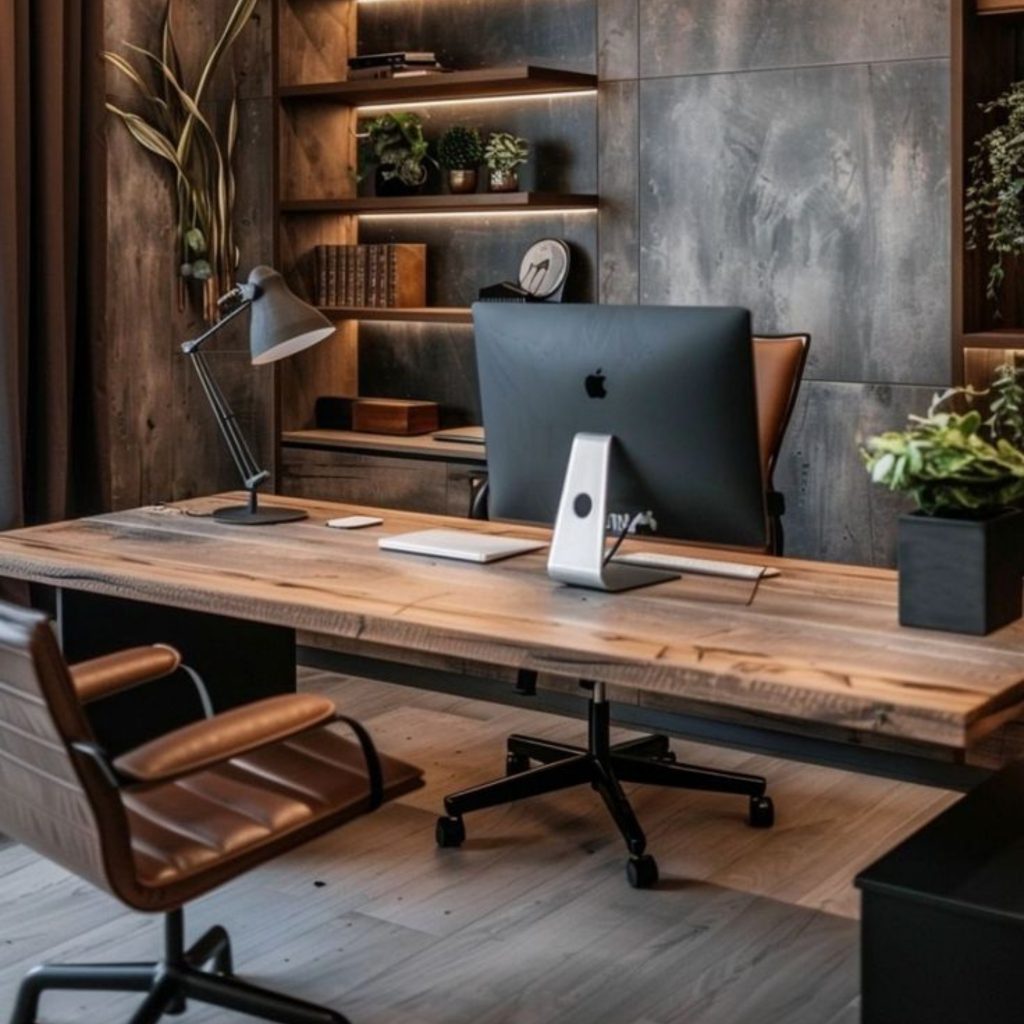
- Escritório Industrial | Fonte: Pinterest
Influence of Minimalist Design and Functionality of Spaces
The natural elements and straight lines that characterize industrial decor are also striking features that stand out in other interior design styles, namely minimalism.
Old lofts and factories were known for their large and spacious layouts, illuminated by massive windows responsible for the abundant entry of natural light. Industrial decor believes in simplicity and geometric shapes as the basis for the design of spaces. By including only the essential in each area, space is created for the raw and natural elements of the space to shine, creating a calm and balanced atmosphere.
Just as in minimalism, each element has a clear purpose, avoiding superfluous ornaments and prioritizing practicality that could compromise the fluidity and functionality of the space. Frequently, those who adopt this style in their spaces opt for multifunctional furniture and objects that combine design and utility, such as modular sofas, extendable dining tables, and countertops with integrated storage space.
-
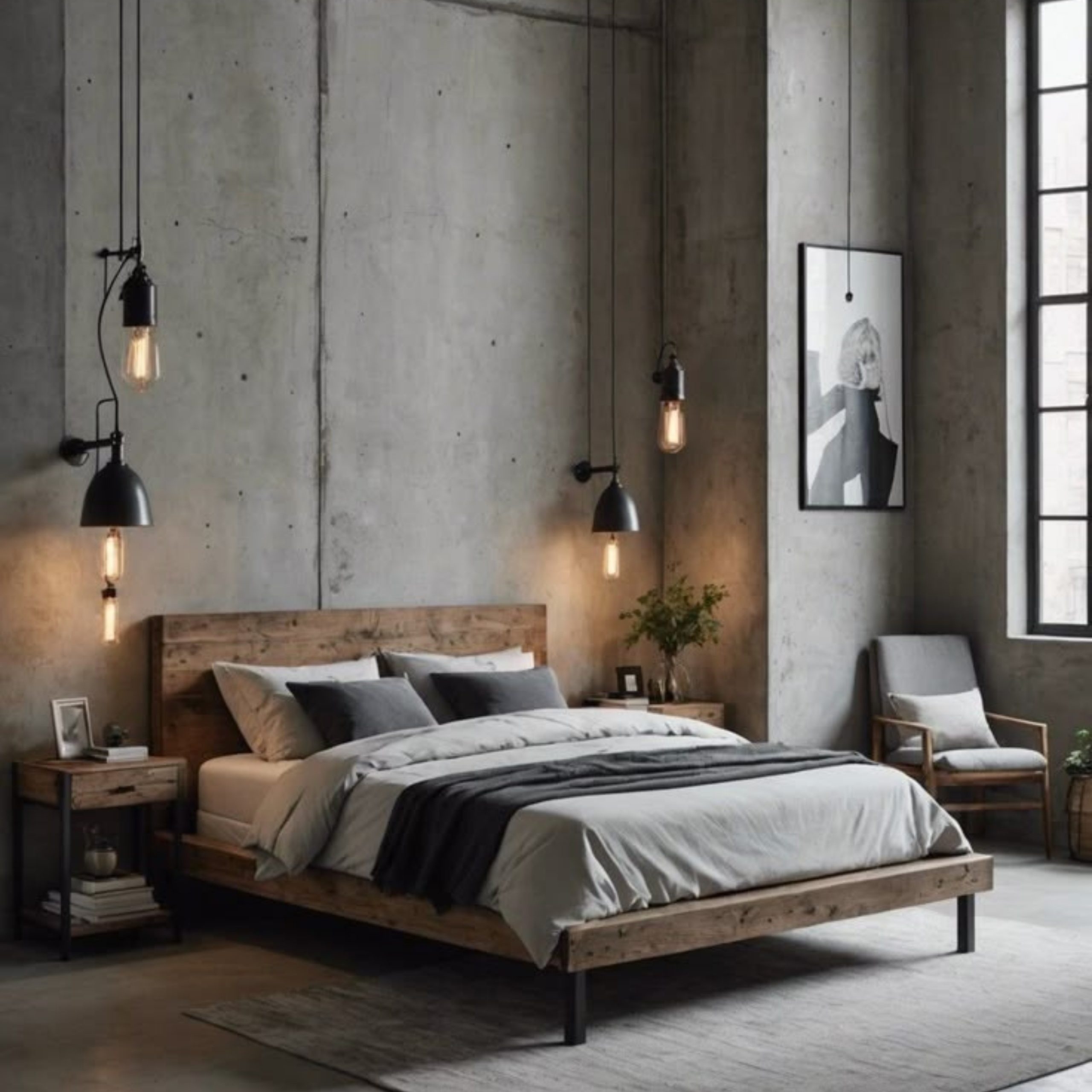
- Quarto minimalista | Fonte: Pinterest
-
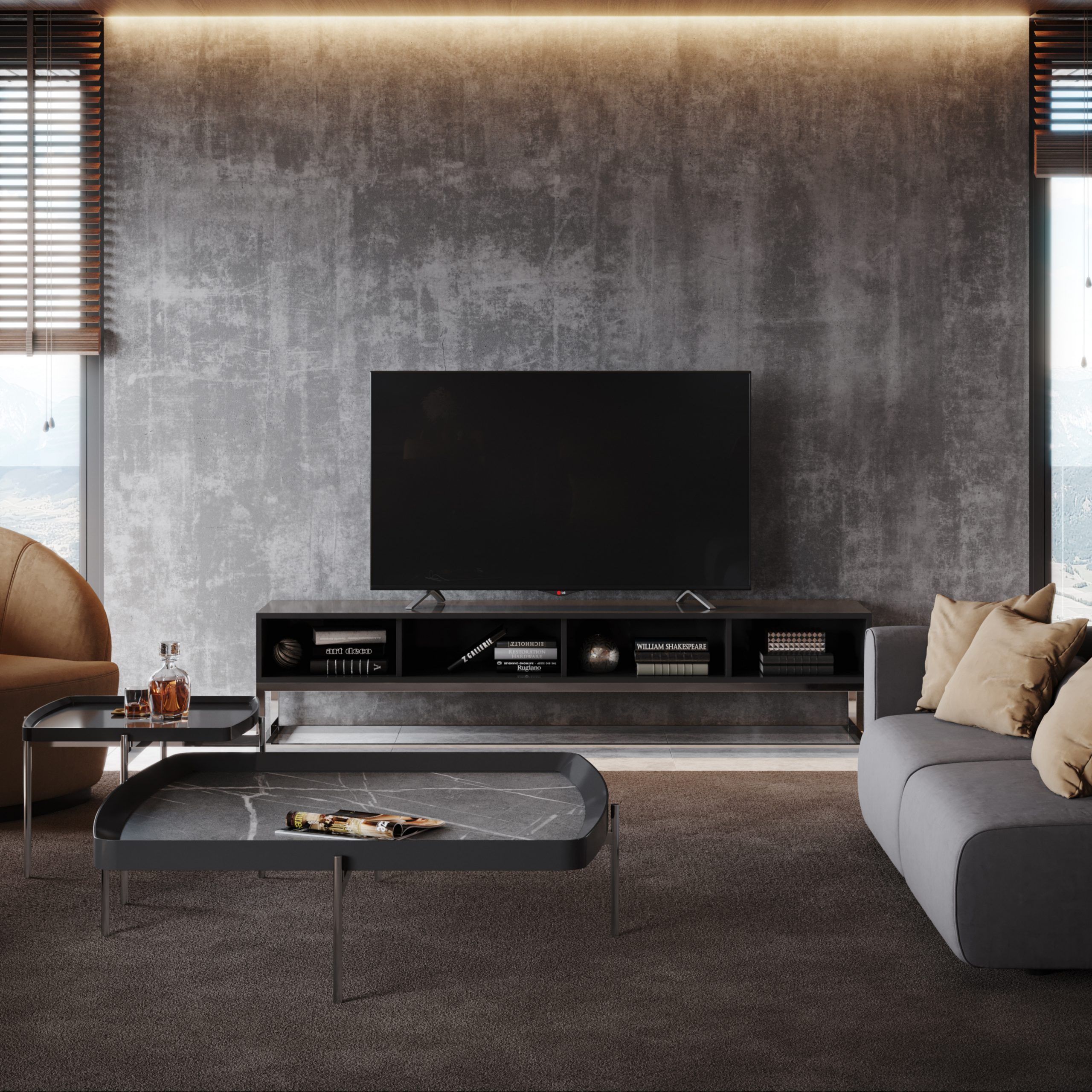
- Sala de estar no estilo industrial
Essential Furniture and Elements
Urban Furnishings
If there’s one interior design style that encourages the personalization of your home, it’s the industrial style. Incorporate vintage furniture pieces or create your own designs with repurposed materials. In this style, perfectly finished, polished pieces are not sought after, but rather the beauty of pieces with soul – those that carry the marks of time and the weight of history, lending the environment a rustic and refined charm.
Leather sofas and armchairs are frequently seen in this interior design style, especially if they are in warm shades of brown, adding a touch of sophistication and comfort to the space. Metallic details also make a point of being present, reinforcing the industrial identity of the decor, being visible in elements such as furniture and chair legs, as well as in various lighting fixtures.
-
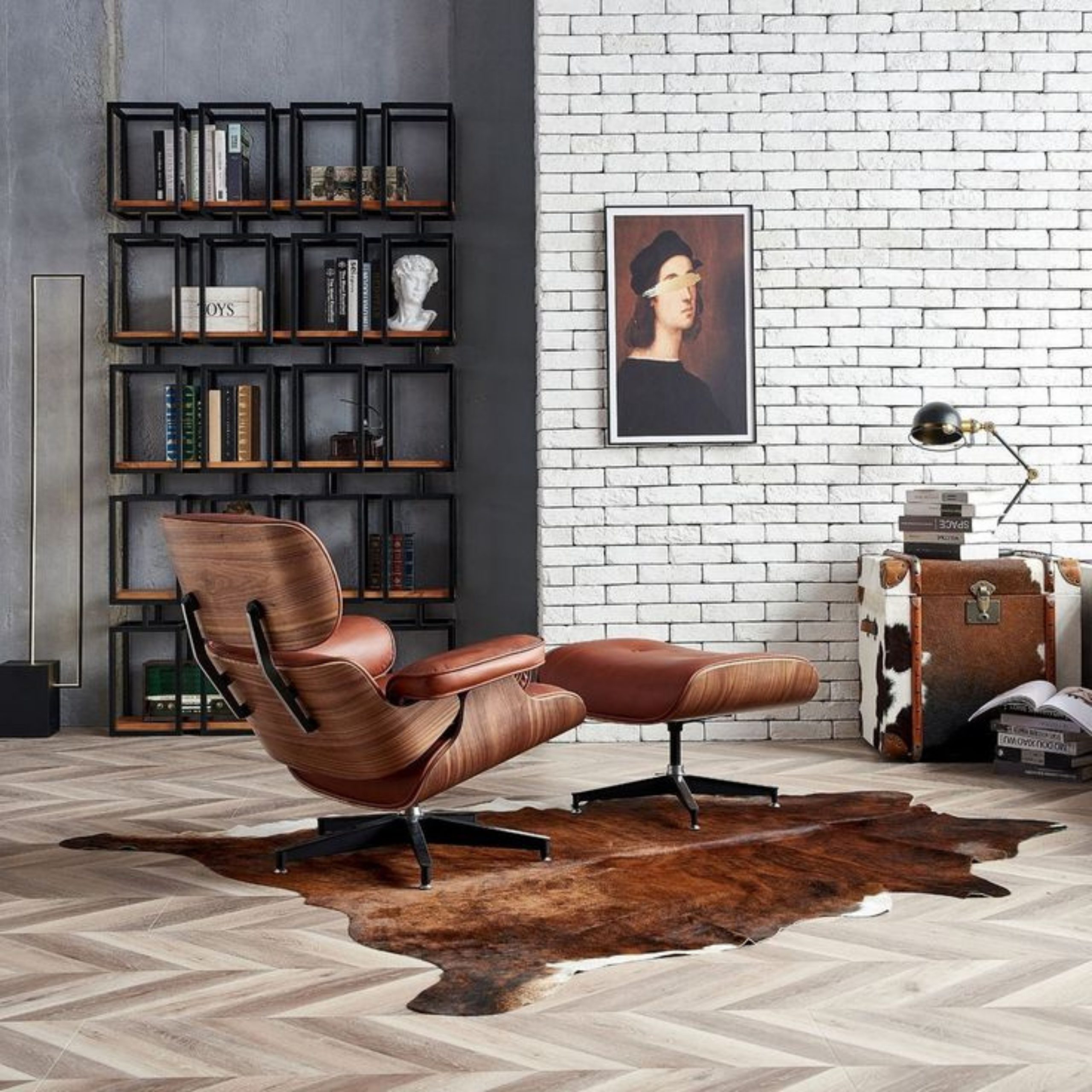
- Cadeirão em pele | Fonte: Pinterest
-
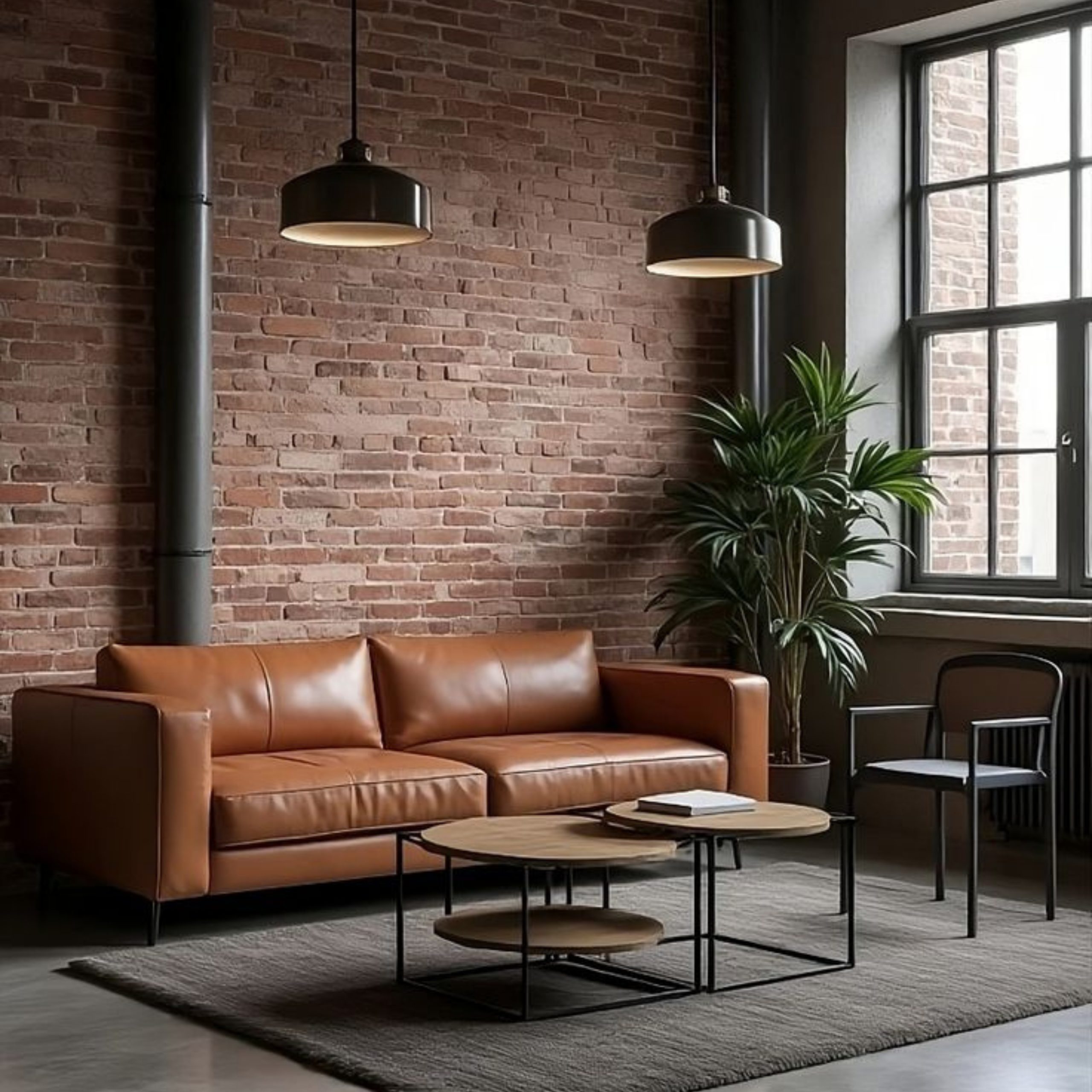
- Sofá
Architectural Details
As previously mentioned, the architectural details of the building play a fundamental role in constructing the aesthetic of the environment, naturally becoming part of the decor. The wear and tear of the walls as well as the exposed pipes and electrical wiring are symbols of industrial design that ultimately reinforce the authenticity of this aesthetic approach.
The large windows and glass doors, with black or cast iron style frames, along with the high ceilings, contribute to creating an airy and illuminated environment, reflecting the unpretentious essence of the industrial style.
-
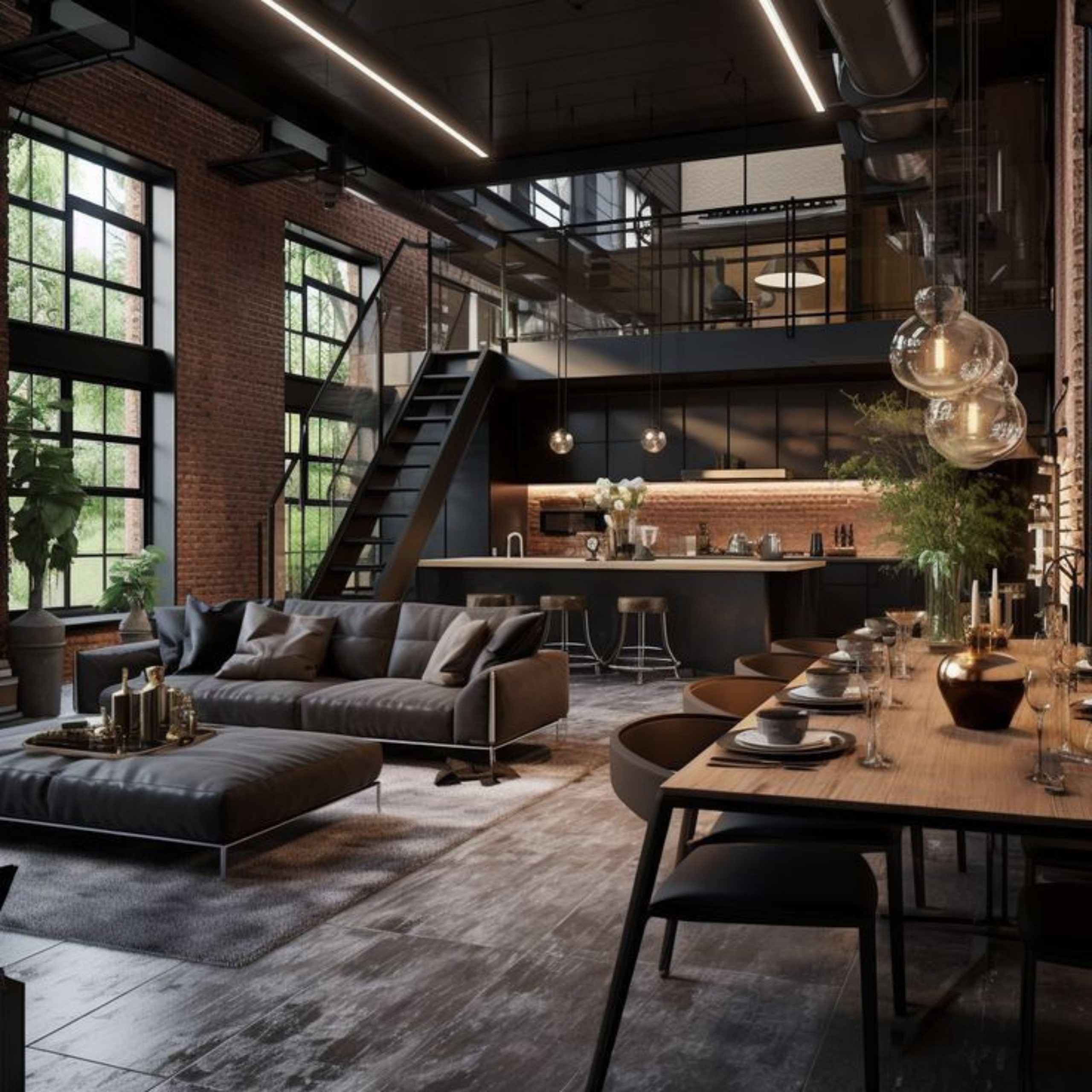
- Loft Industrial | Fonte: Pinterest
-
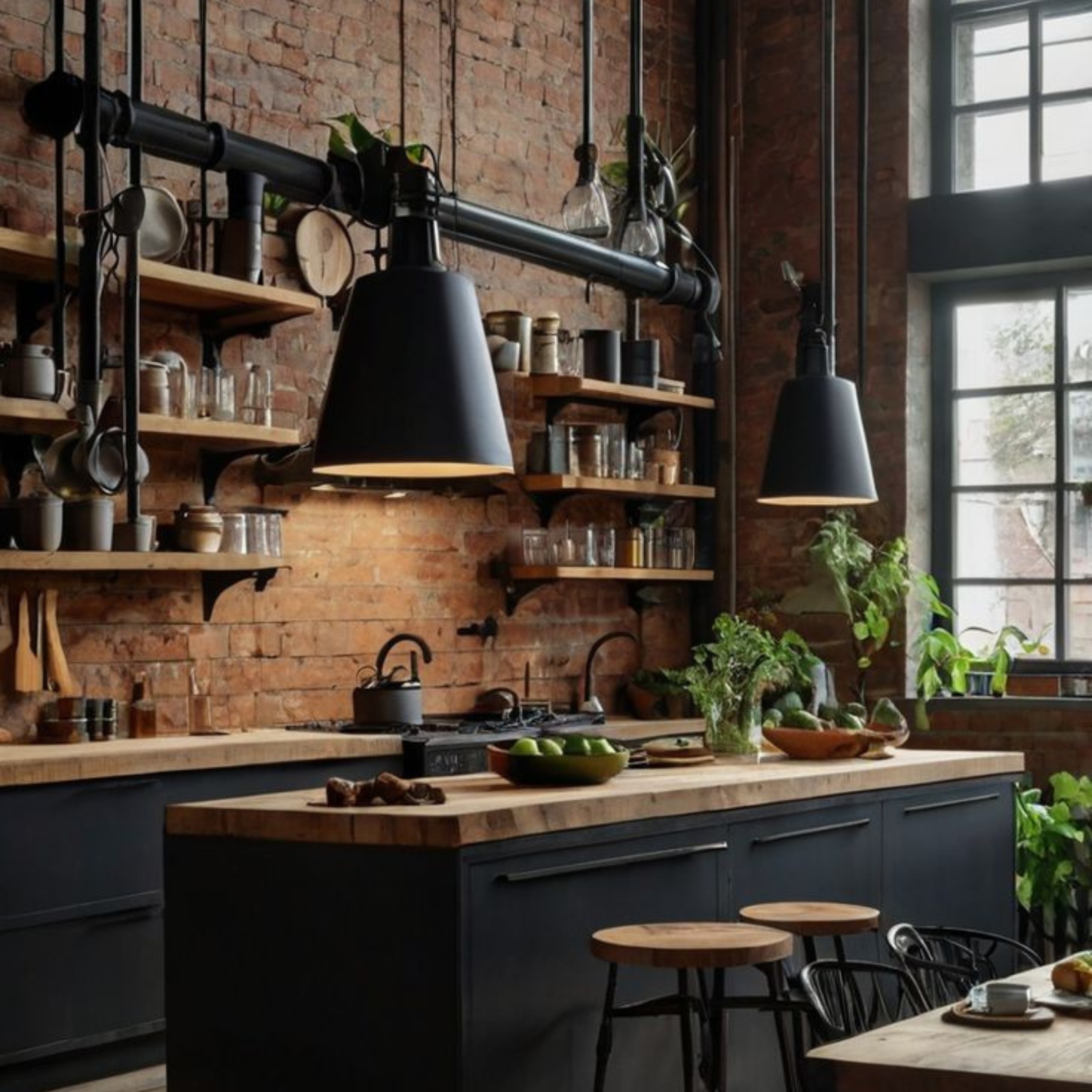
- Cozinha de estilo industrial | Fonte: Pinterest
Lighting
Lighting is another key element for these spaces. While significant emphasis is placed on natural light, it’s also important to be judicious in the choice of artificial lighting. It’s common to see Edison bulbs hanging, whether alone or in groups, reinforcing the traits of this style.
If you’re looking for a slightly more polished option, you can always prefer lighting fixtures with large metal domes or mechanical designs and suspended LED lighting. Typically, lighting options have adjustable features or rotating heads, emphasizing the practical and functional origins of the style.
-
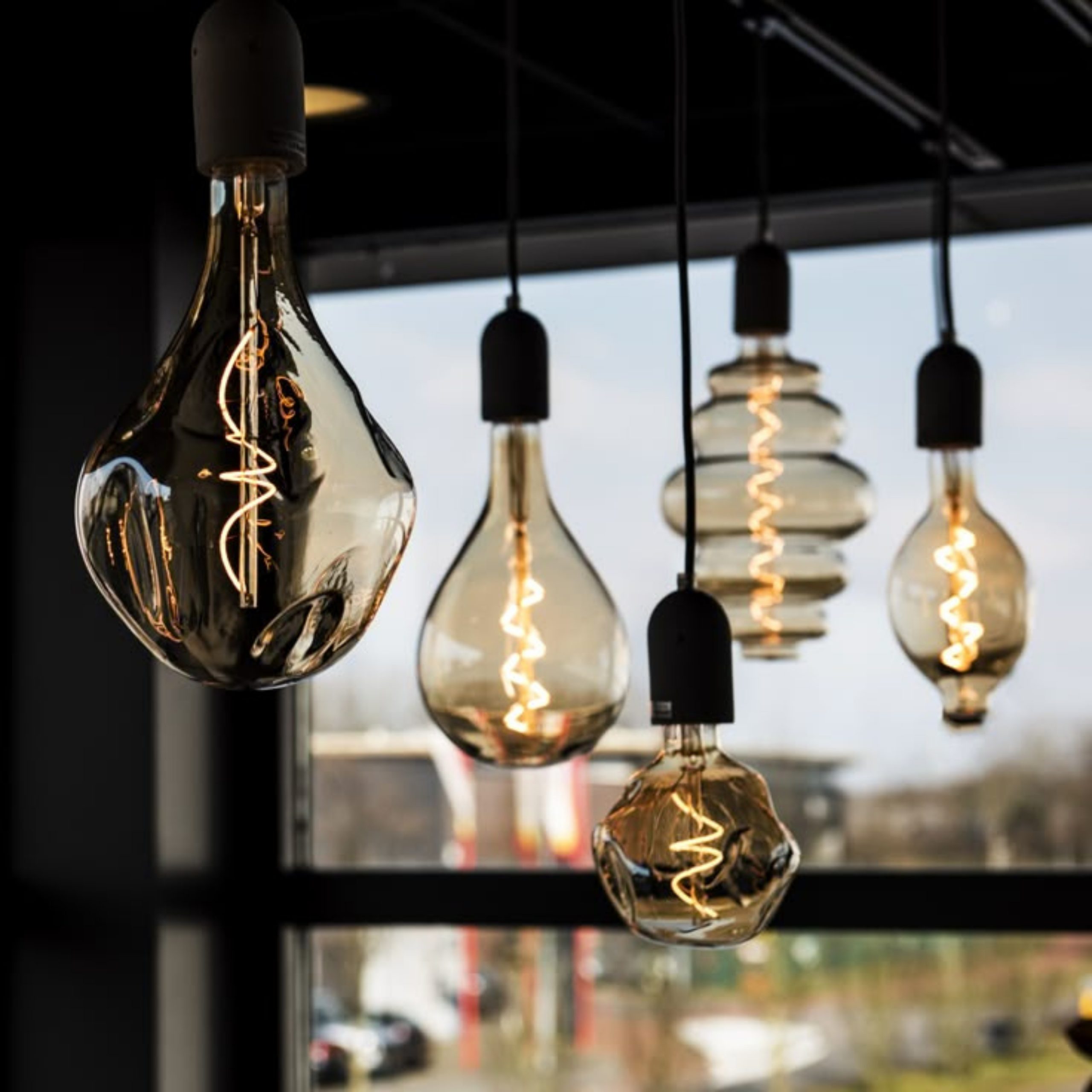
- Iluminação suspensa | Fonte: Pinterest
-
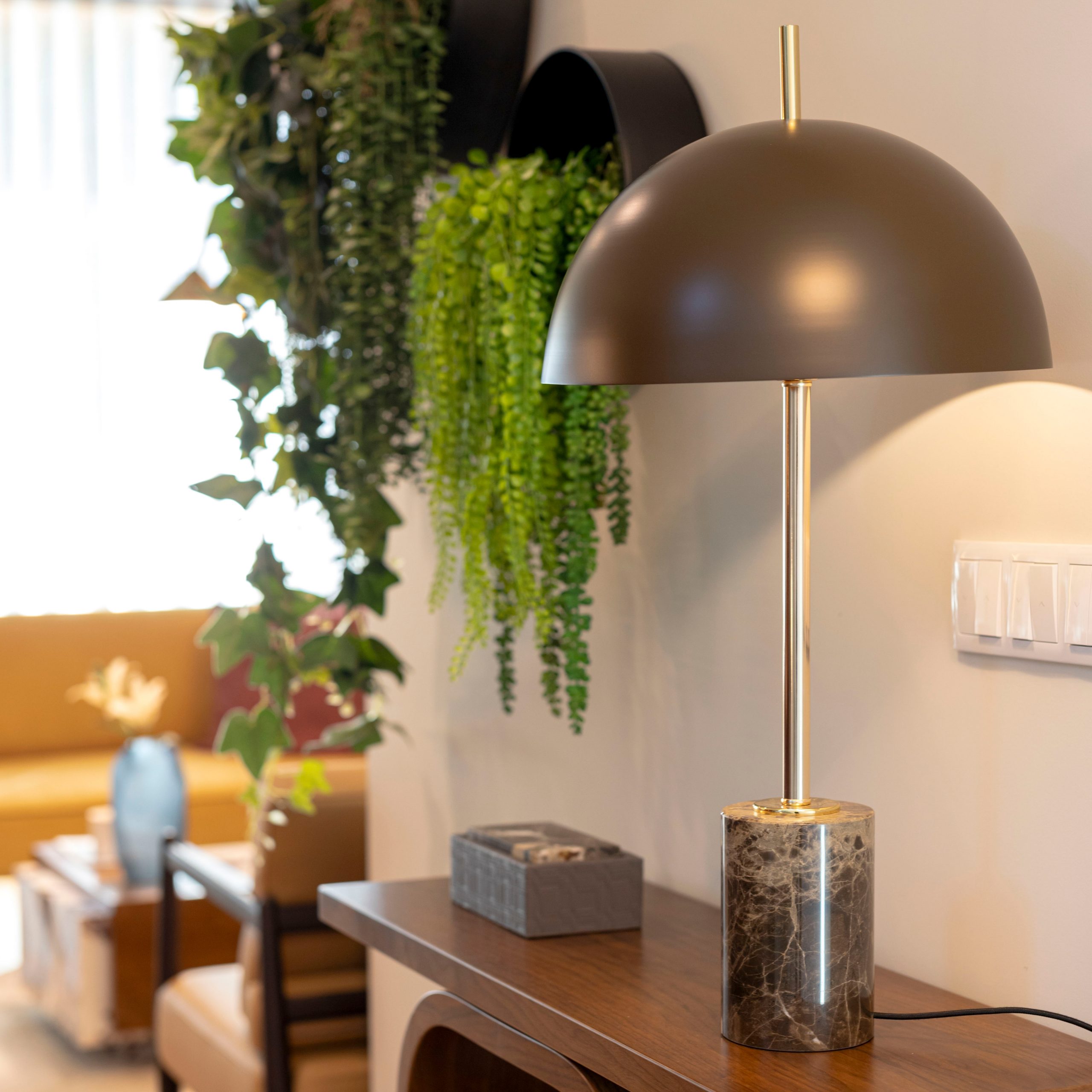
- Candeeiro de mesa