Scandinavian Style | Nordic Minimalism in Contemporary Design
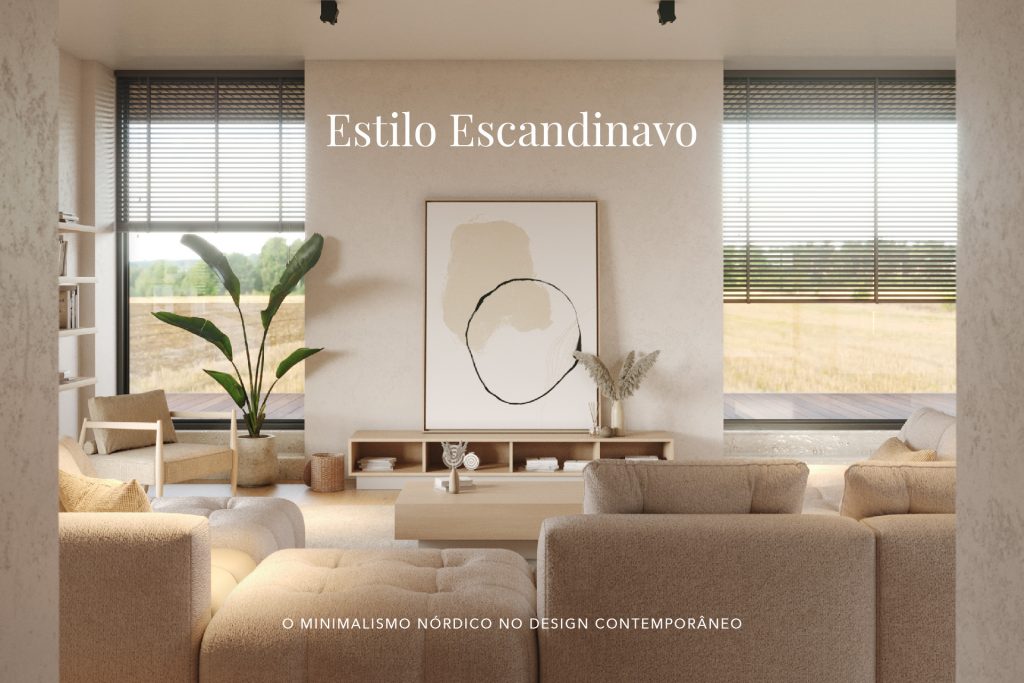
The Scandinavian style is one of the most influential styles in the contemporary design scene. Originating from the Nordic countries — Denmark, Finland, Iceland, Norway, and Sweden — this style is recognized for its simplicity, functionality, and connection with nature. Its minimalist essence is revealed in the preference for natural materials and subtle colors that have been used in the decoration of countless interior design projects around the world.
Inspired by the Danish concept “hygge,” which refers to comfort and well-being, this style has been increasingly sought after as urban life and compact spaces become more and more of a reality. Follow this article and discover how this decorating style can be the ideal starting point for inspiring environments.
-
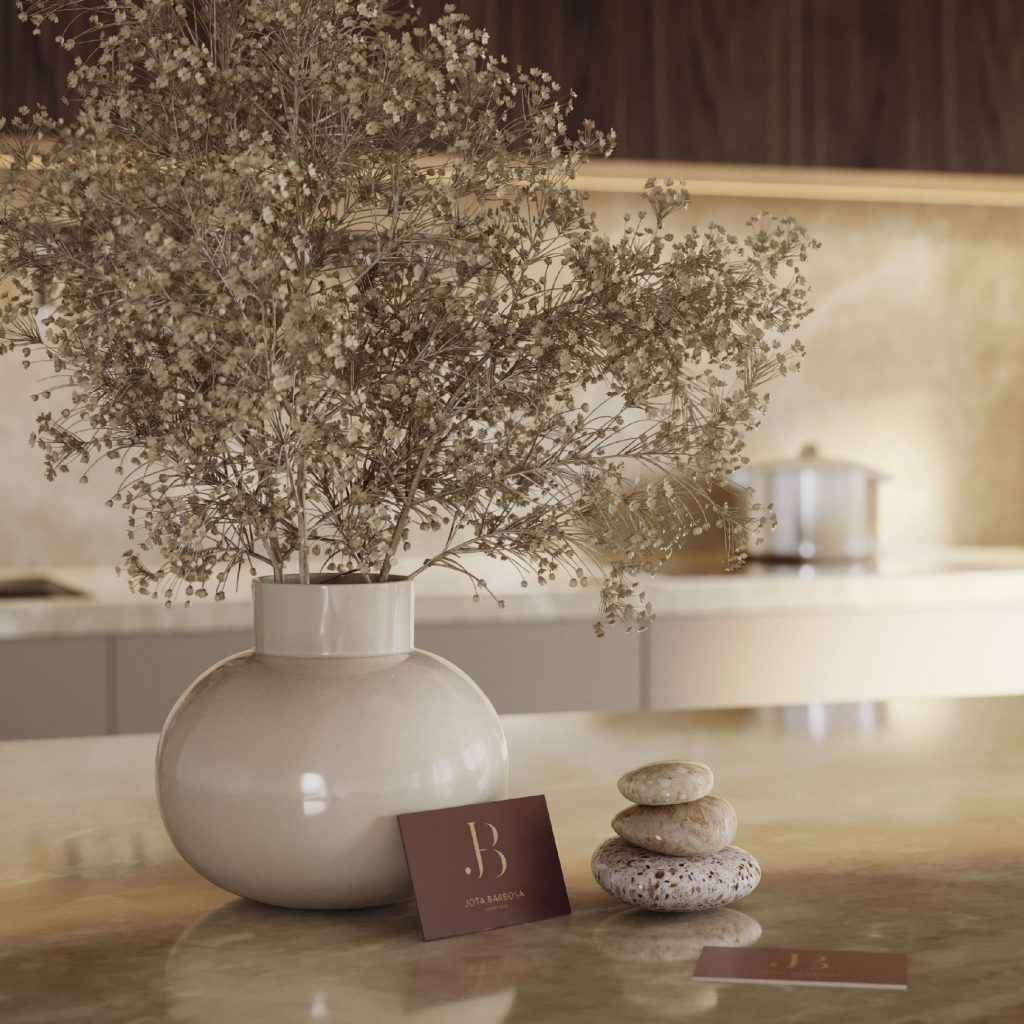
- Serviços Jota Barbosa
-
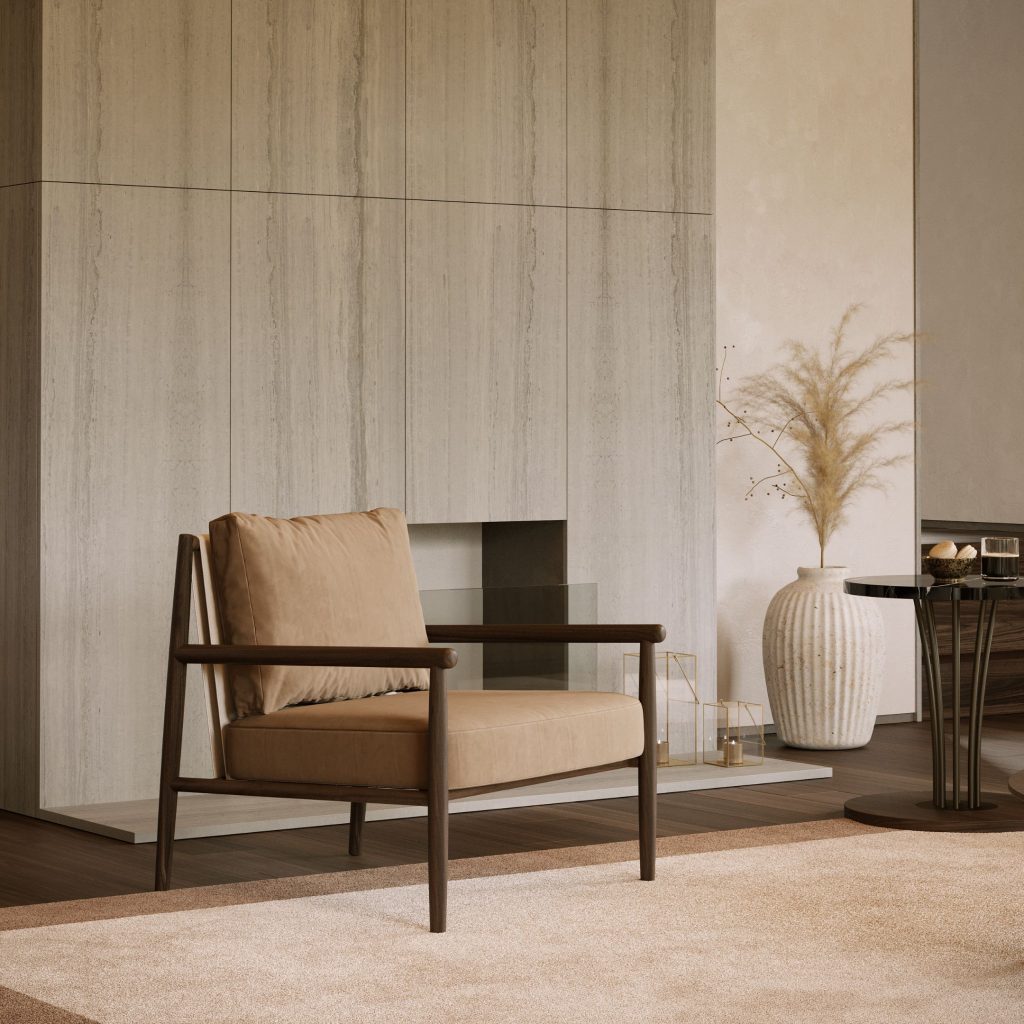
- Cadeirão com um design escandinavo
The Origins of the Scandinavian Style
The Scandinavian style emerged in the 20th century, a result of the exquisite work of renowned architects and designers such as Hans J. Wegner, Alvar Aalto, and Arne Jacobsen; however, it was only in the 2010s that it truly began to be popularized. At the time, this style arose from the need to create comforting and bright environments that contrasted with the cold climate and the grey days that filled the daily life of Nordic countries. During this period, these countries also experienced social and economic transformations that demanded practical, durable, and affordable solutions for the general population.
Every choice made in these spaces cannot be considered anything less than truly intentional, prioritizing ergonomic, comfortable, and practical pieces of furniture. Every detail of this decorative style is a reflection of the Nordic lifestyle of that period. The absence of decorative elements, for example, reveals the scarcity of resources of that time, where people could only acquire what was truly essential in the space.
-
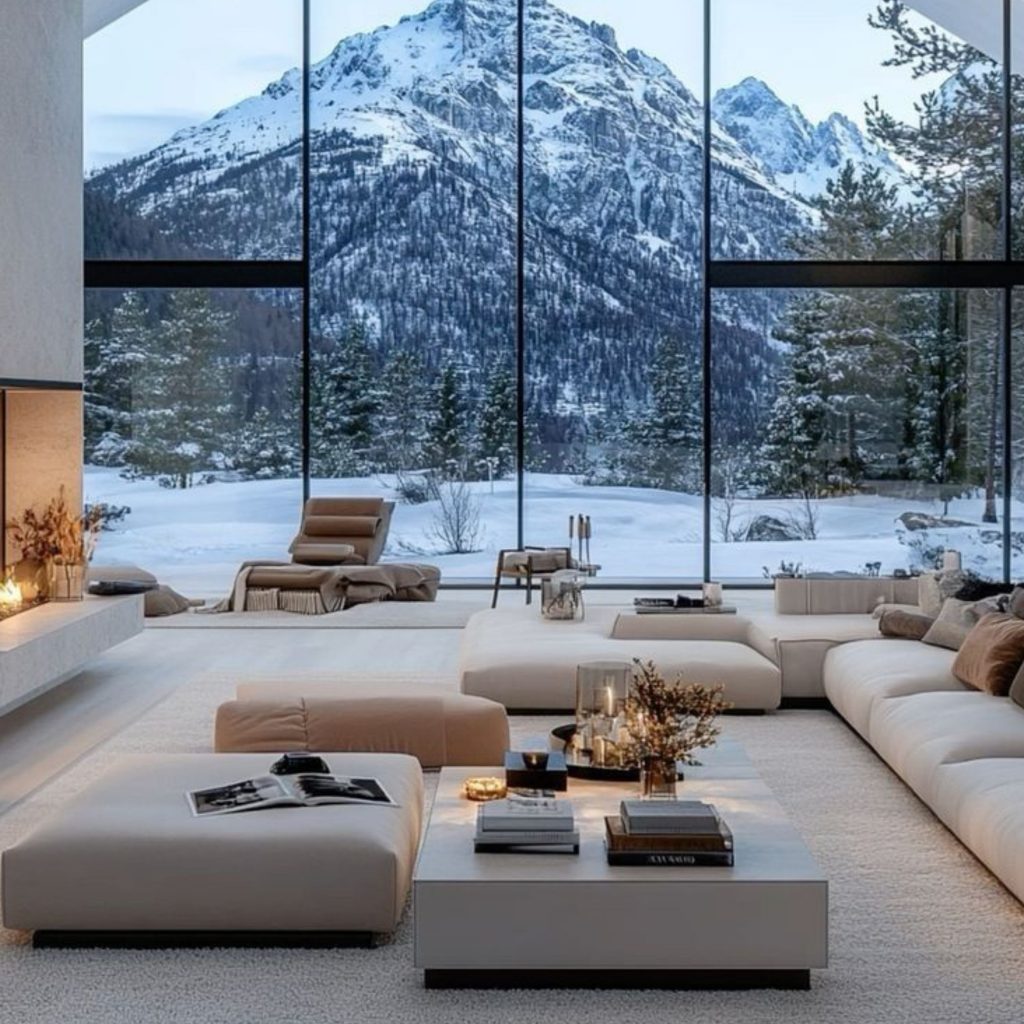
- Sala de estar | Fonte: Pinterest
-

- Clima nórdico | Fonte: Pinterest
The Scandinavian Balance
-
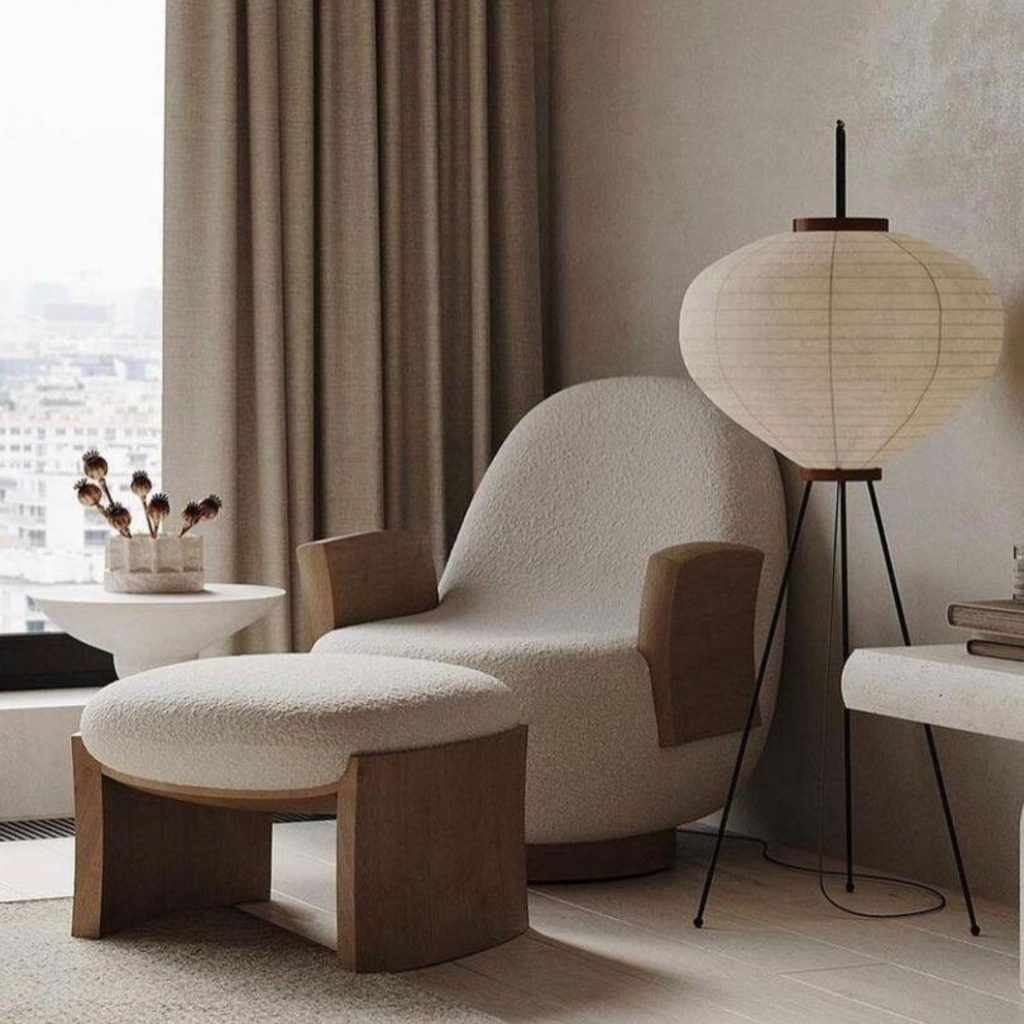
- Poltrona num tecido confortável | Fonte: Pinterest
-
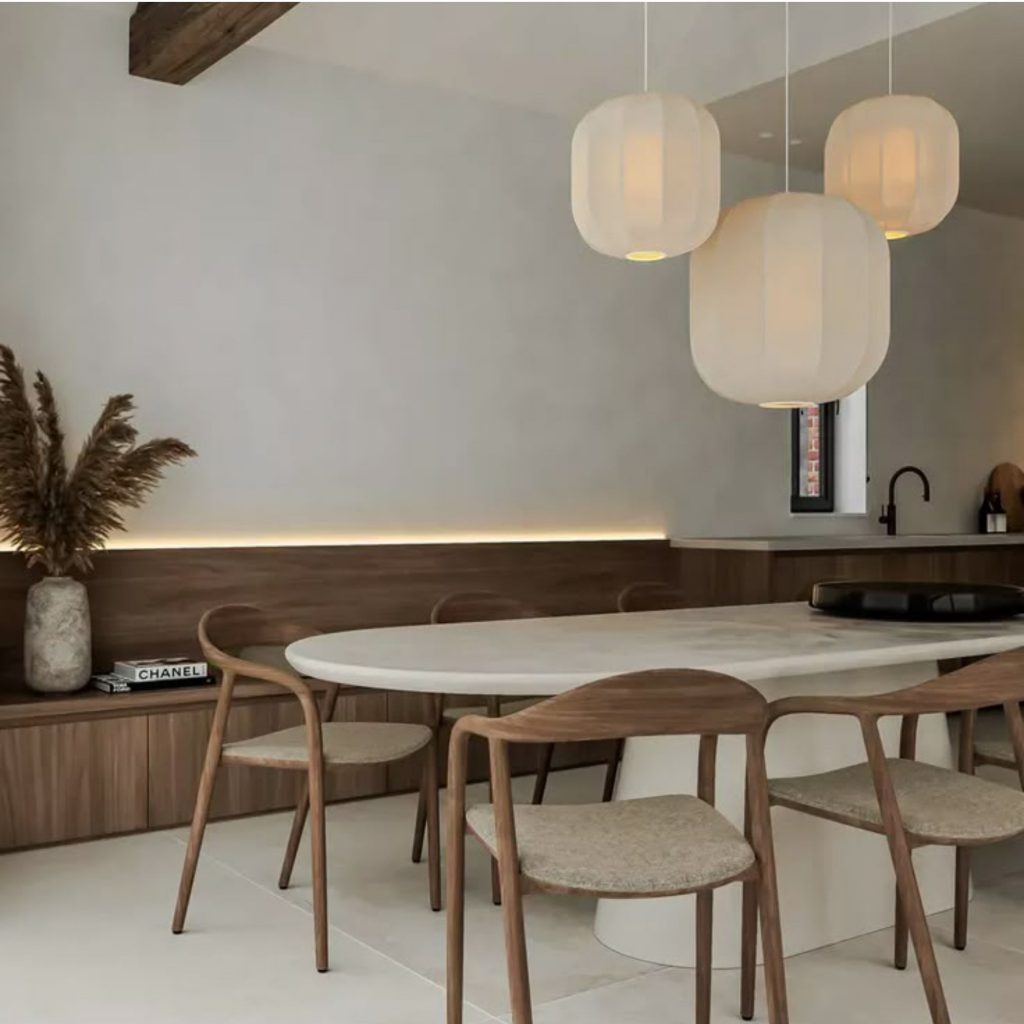
- Cadeiras de jantar em madeira | Fonte: Pinterest
The Influence of the Scandinavian Style on Contemporary Design
In Interior Design
Currently, the influence of the Scandinavian style on contemporary design is undeniable, making its presence felt in a variety of projects, whether residential, commercial spaces, offices, or hotels. More often than not, we are witnessing a trend towards the creation of integrated environments, with few pieces of furniture, neutral tones, and natural materials that result in elegant and extremely functional spaces. Typical of the Nordic style, these features strongly resonate with current trends focused on crafting more functional and tranquil environments specifically adapted to modern life, spanning intimate spaces such as the bedroom and social hubs like the living room.
The minimalism inherent in this aesthetic celebrates the beauty of what is essential, promoting pleasant spaces composed of practical and uncomplicated elements, a quality increasingly prevalent in contemporary design, a style that values well-being without ever undervaluing the aesthetic component.
-
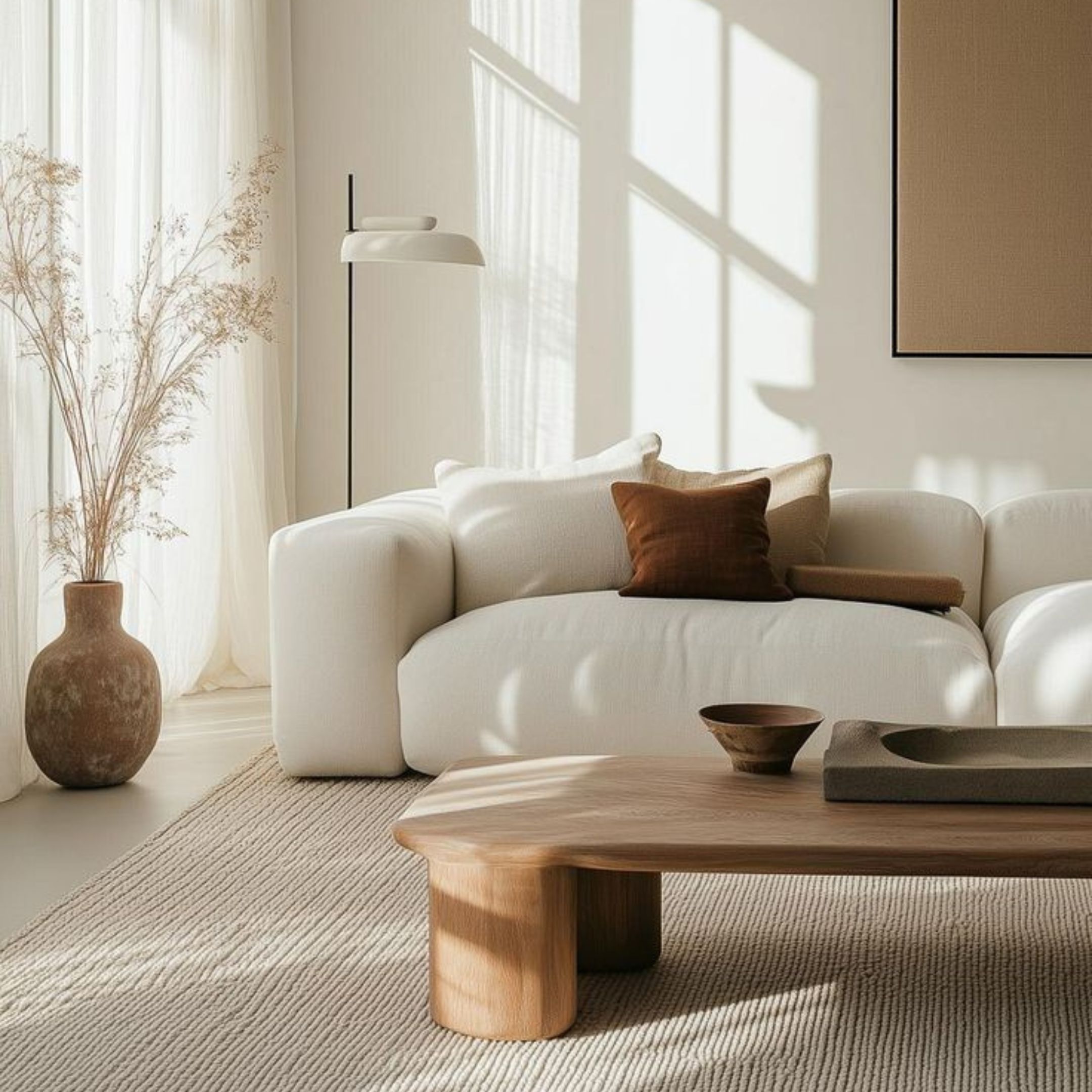
- Mesa de centro em madeira | Fonte: Pinterest
-
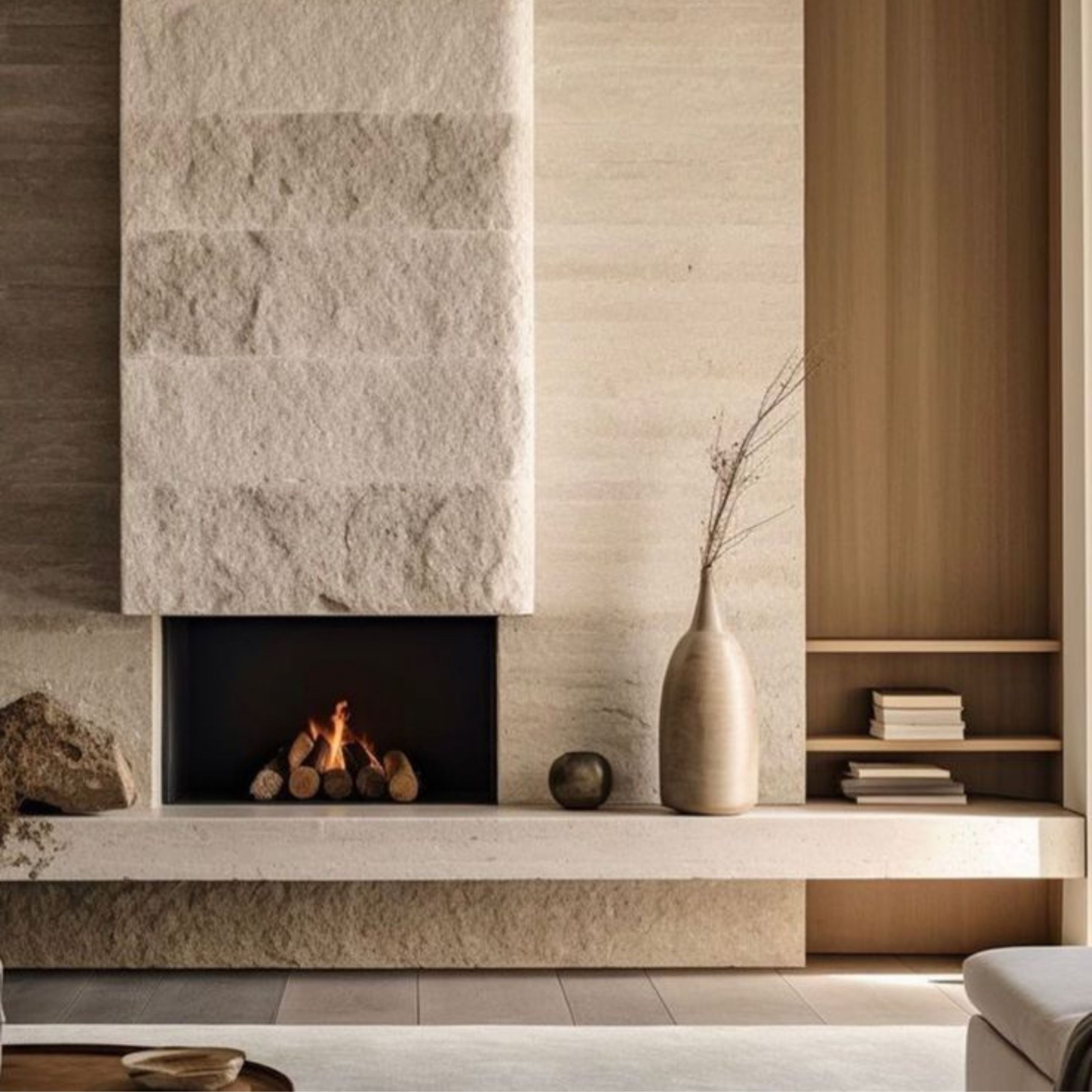
- Lareira numa sala de estar nórdica | Fonte: Pinterest
In Furniture and Decorations
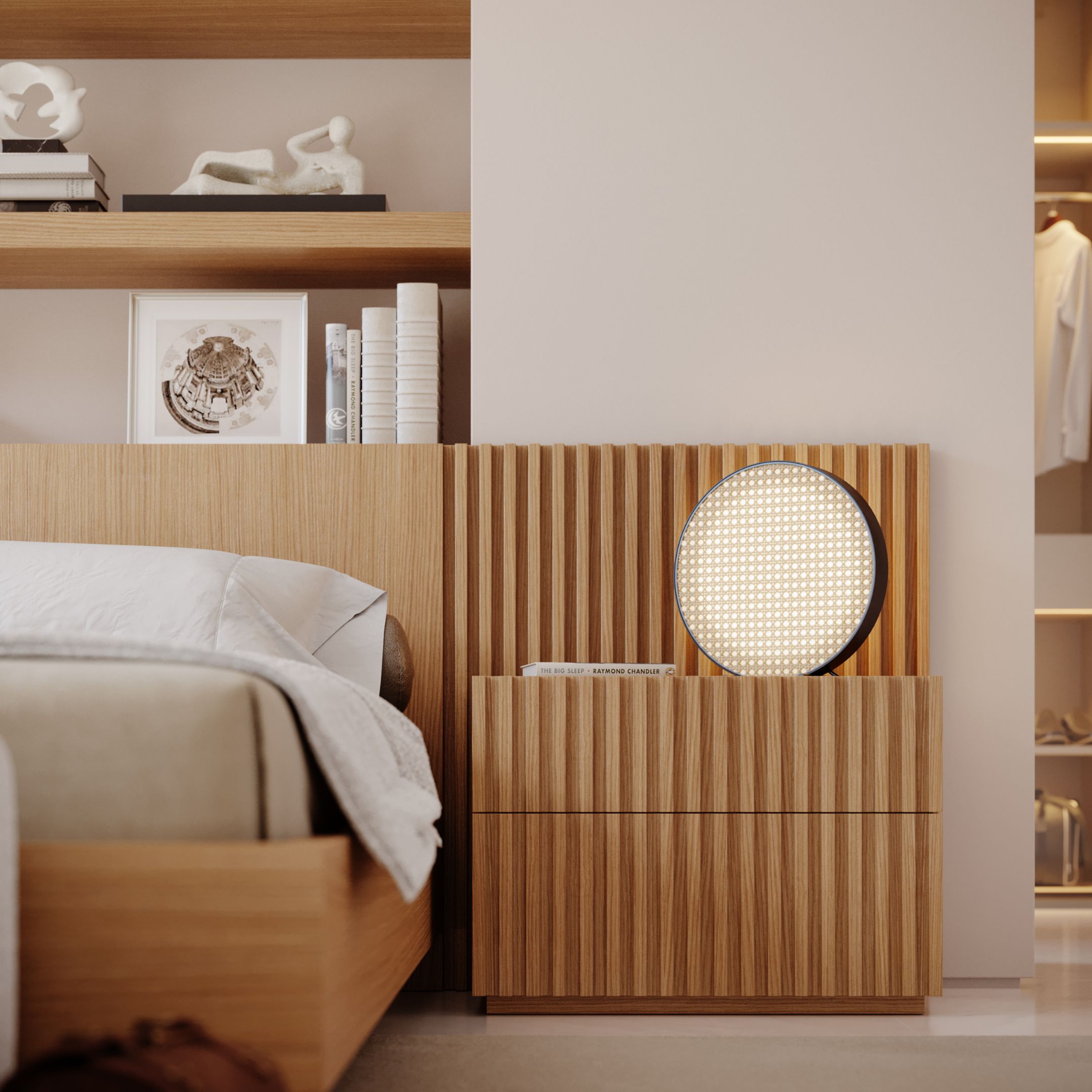
The furniture chosen to integrate Scandinavian environments is typically composed of high-quality natural elements, such as light wood and leather, to ensure the resistance and durability of the pieces. It is common for furniture to be painted white or varnished to enhance its elegance and brighten the overall space.
Simplicity dominates the design and construction of the furniture, composed of simple lines and functional shapes, without excessive ornamentation. The focus is on developing lightweight furniture that elevates the aura of the space, favoring fluidity and circulation.
-
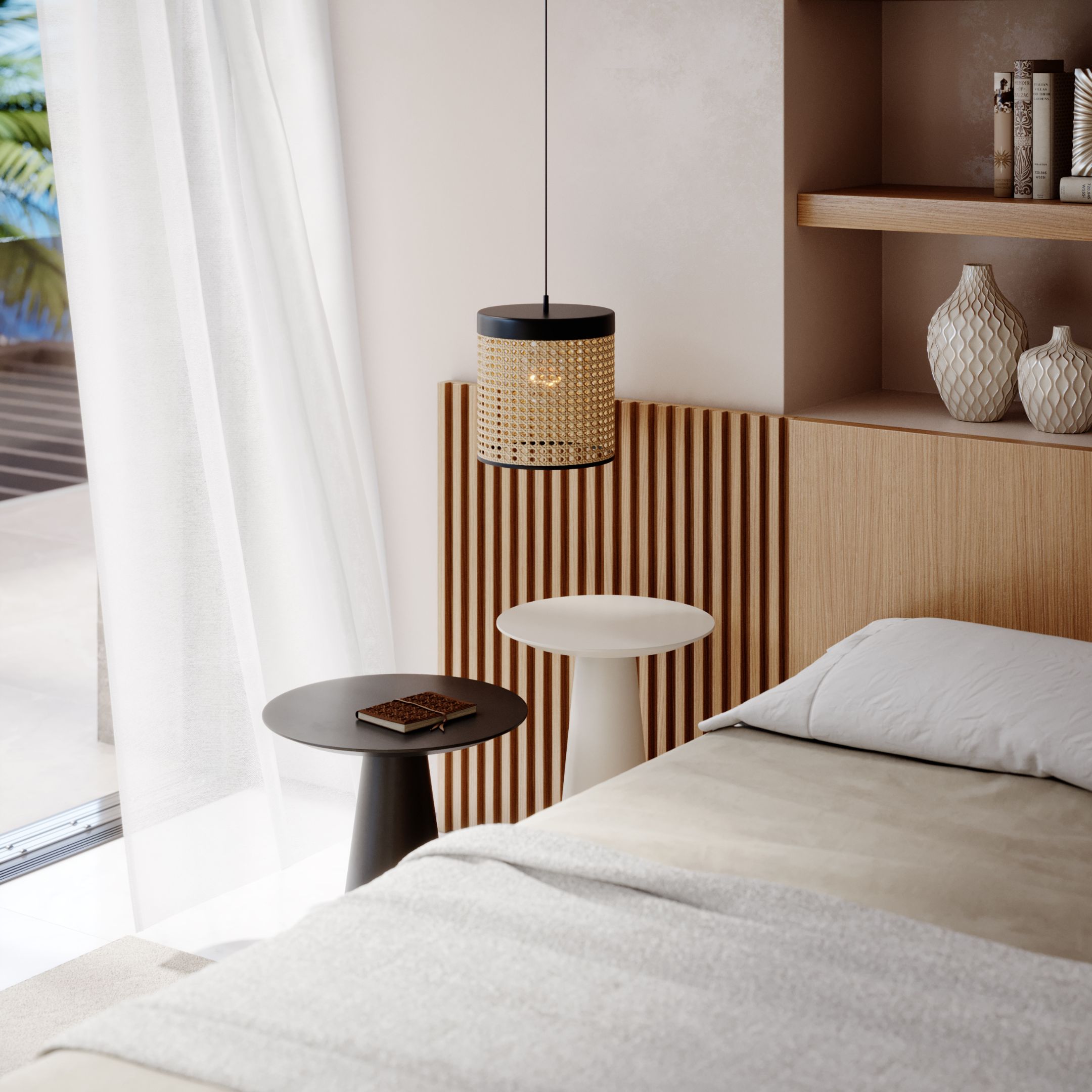
- Quarto com elementos escandinavos
-
- Mesa de cabeceira em madeira
In Contemporary Architecture
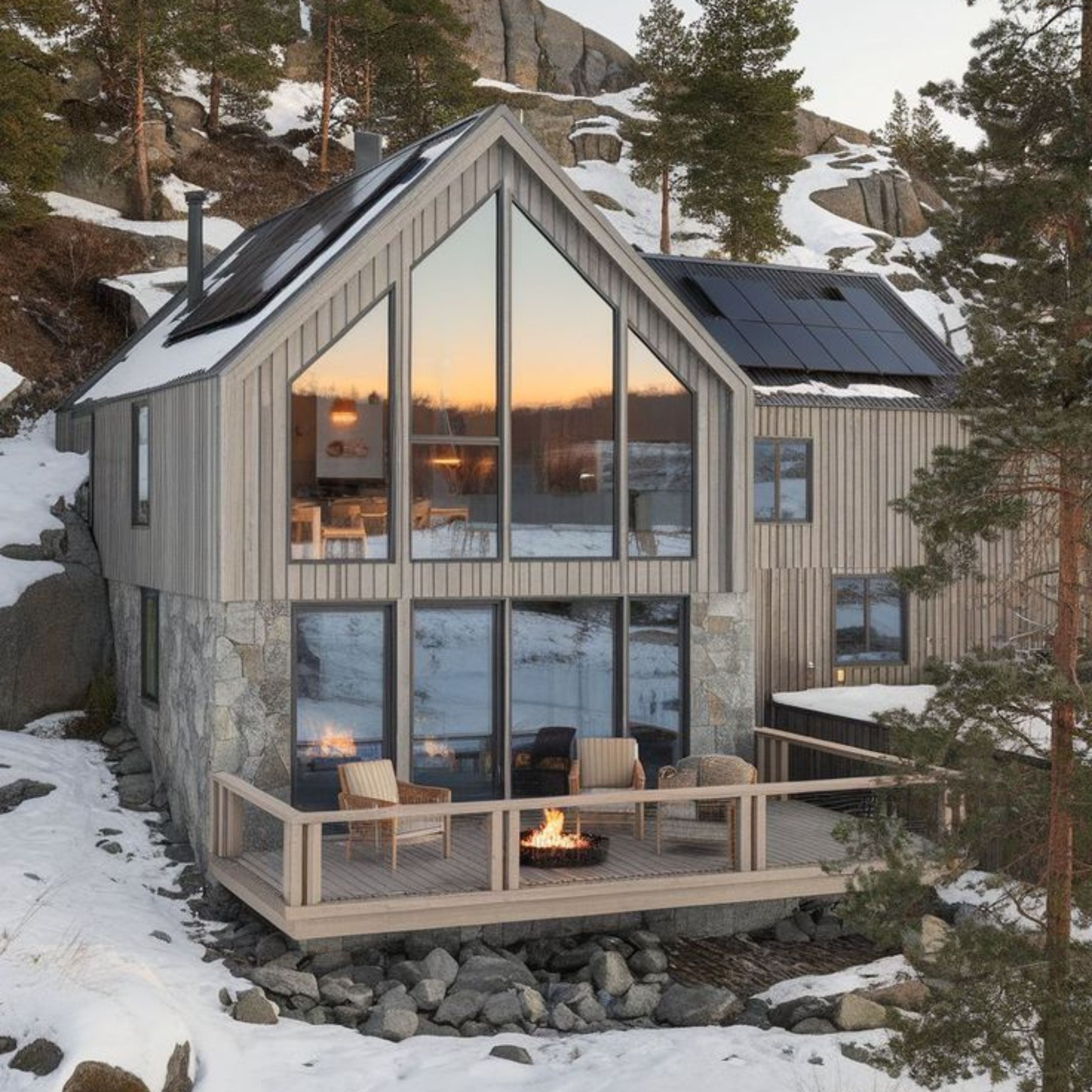
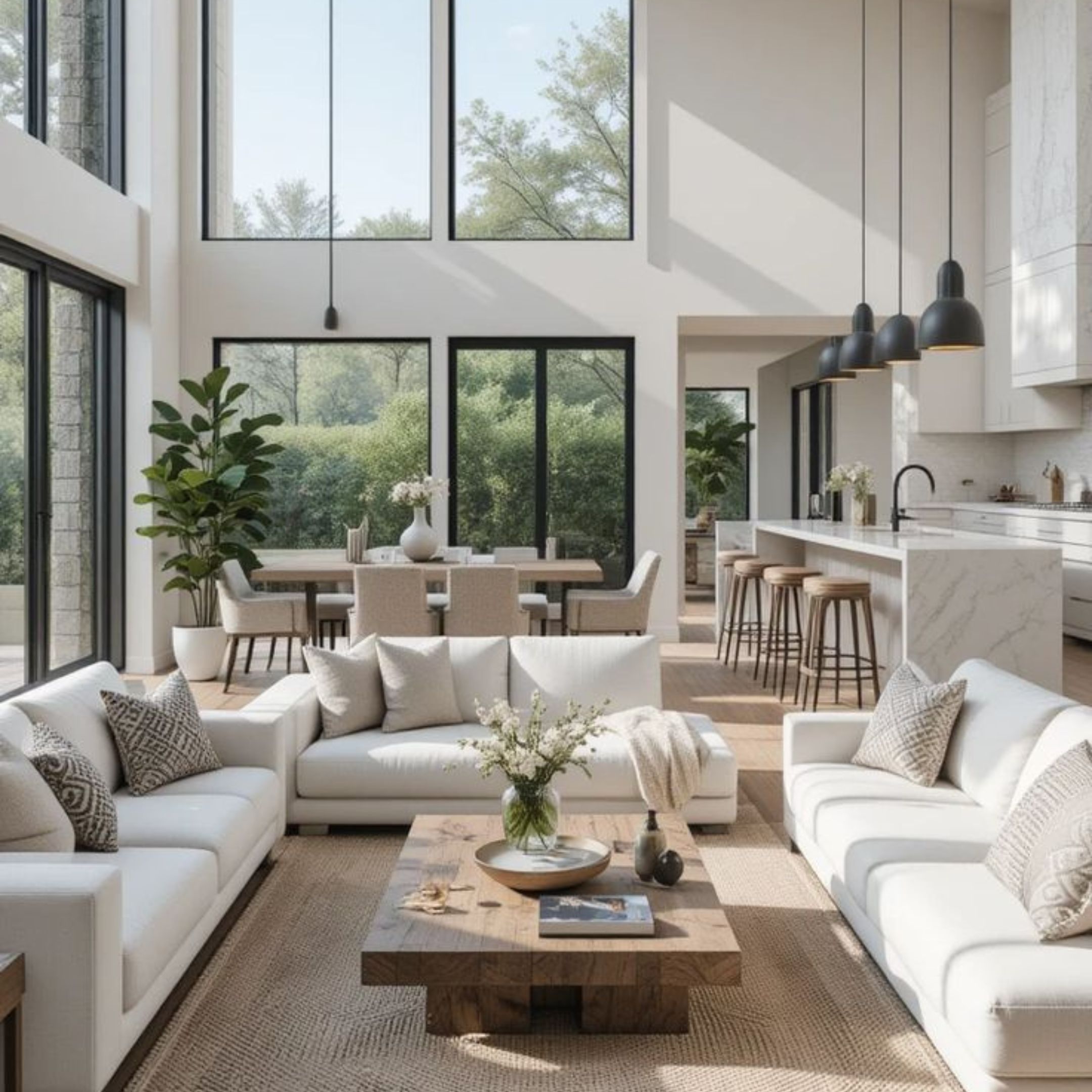
Current architectural projects focus on leveraging natural light, creating spacious environments, and integrating with the surrounding environment – elements strongly inspired by Scandinavian design. Modern buildings adopt the Scandinavian philosophy in their structure, emphasizing simple and functional lines combined with the use of natural and sustainable materials such as wood and glass. We frequently see rooms illuminated by the clarity that enters through large windows, creating a visual fluidity between the interior and exterior.
Decorative elements are also quite discreet, illustrating the unpretentious lifestyle that defines the essence of this interior design style. Candles, plants, and ceramic or glass objects are the main accessories chosen, adding life to any emptier corner in a modest way.
-
- Casa
-
- Sala de estar com uma arquitetura inspirada no estilo escandinavo