Interior design has the ability to reveal a home’s true potential, transforming ordinary spaces into harmonious environments aligned with the way they are lived in. Often, the issue isn’t the size, the location, or even the architecture of the property, but the way the space is conceived.
More than an aesthetic concern, adding value to a home through interior design means interpreting what it can become and translating that vision into concrete solutions.
Throughout this article, discover when interior design can make a difference – and how it can genuinely enhance the value of your home.
-
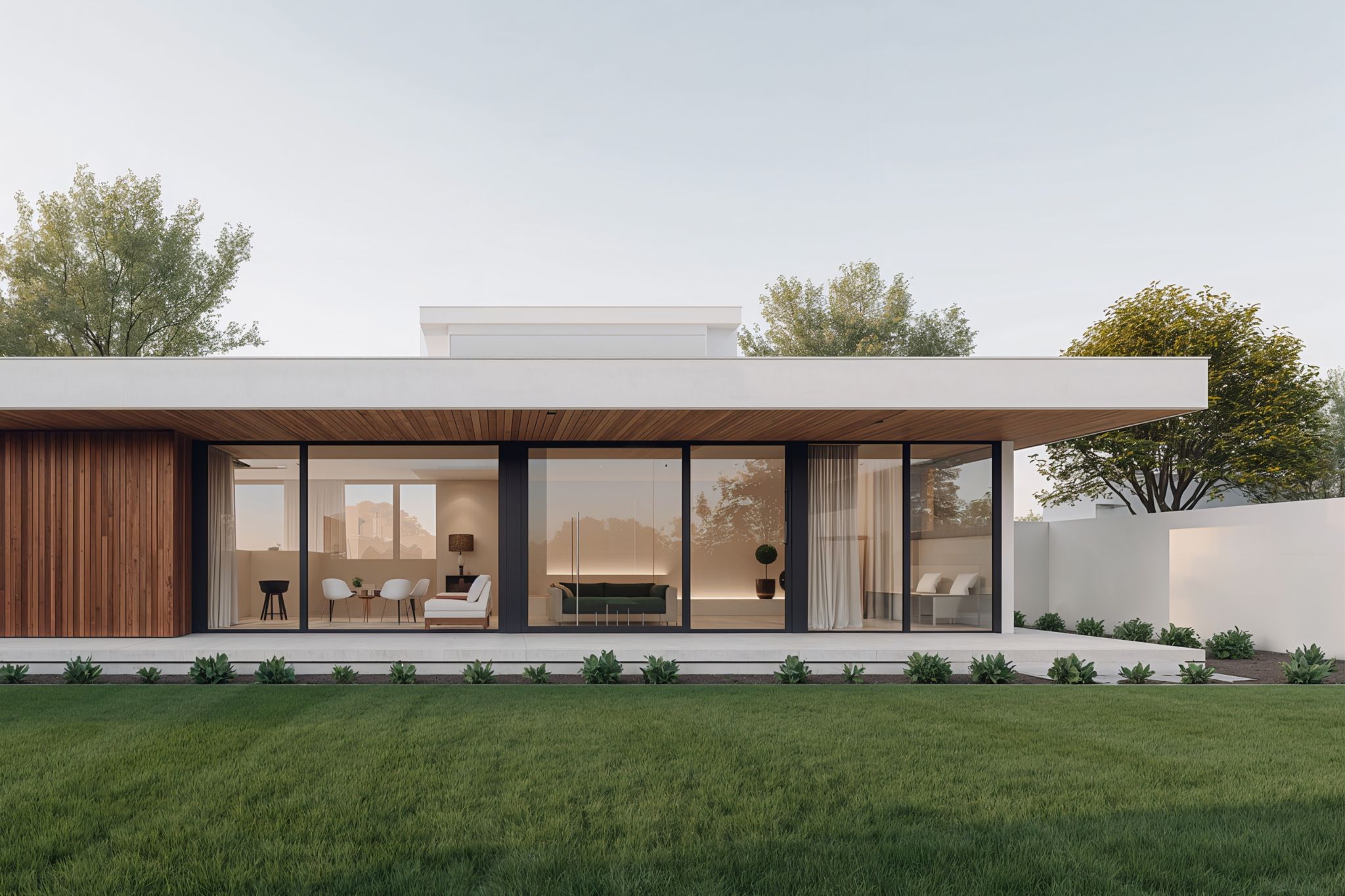
- Uma Casa Elegante Concebida com a Ajuda do Design de Inteirores
What Does It Mean to Add Value to a Home?
Adding value to a home is not just about making it visually appealing. While aesthetics play an important role, the true value of a space emerges when beauty, functionality, and coherence work together. This is where interior design becomes essential, allowing the home to be approached more strategically, creating environments that not only impress but also make sense in everyday life.
A home gains value when it is aligned with the way it is lived in. This may mean improving circulation, maximizing natural light, choosing appropriate materials, or integrating storage solutions. Interior design helps create more comfortable spaces that reflect the lifestyle of those who live there, while also reinforcing the property’s overall value.
-
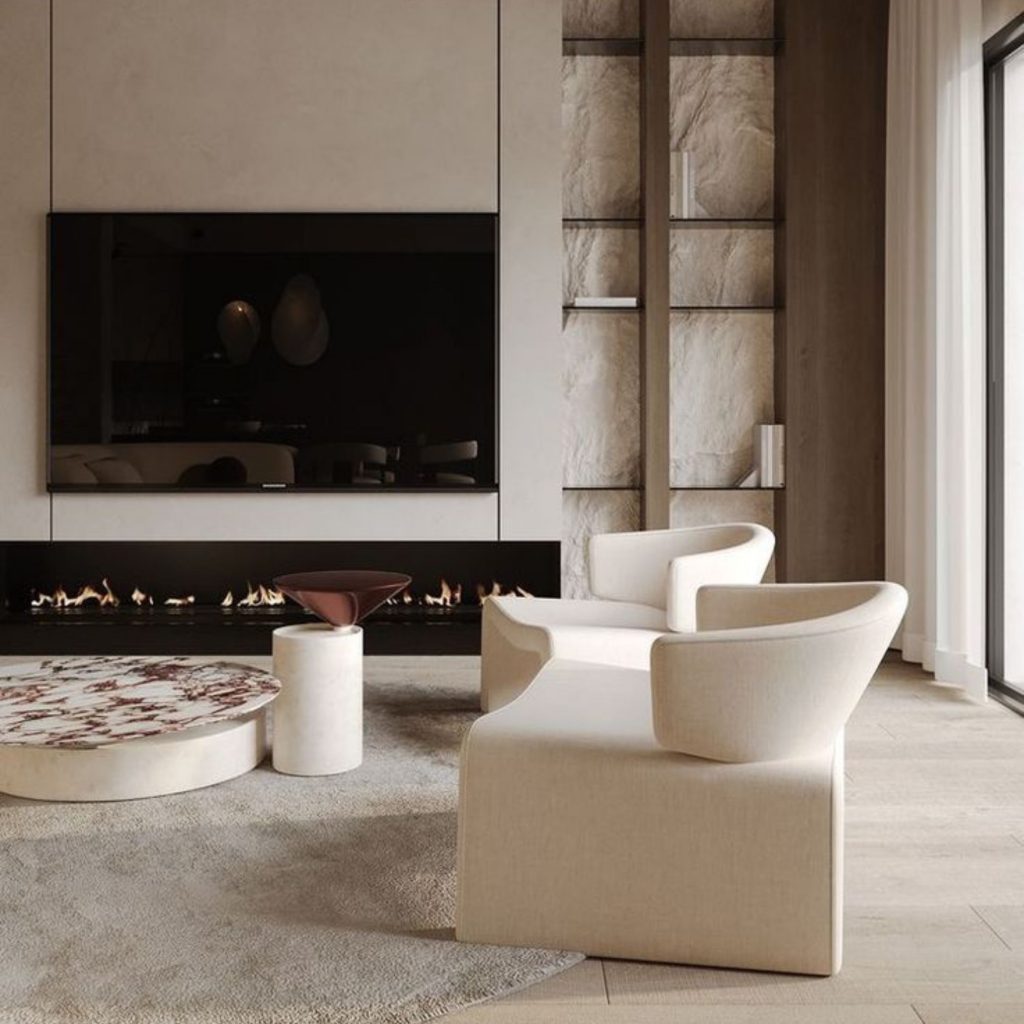
- Uma Casa Ajustada à Forma como é Vivida | Fonte: Pinterest
-
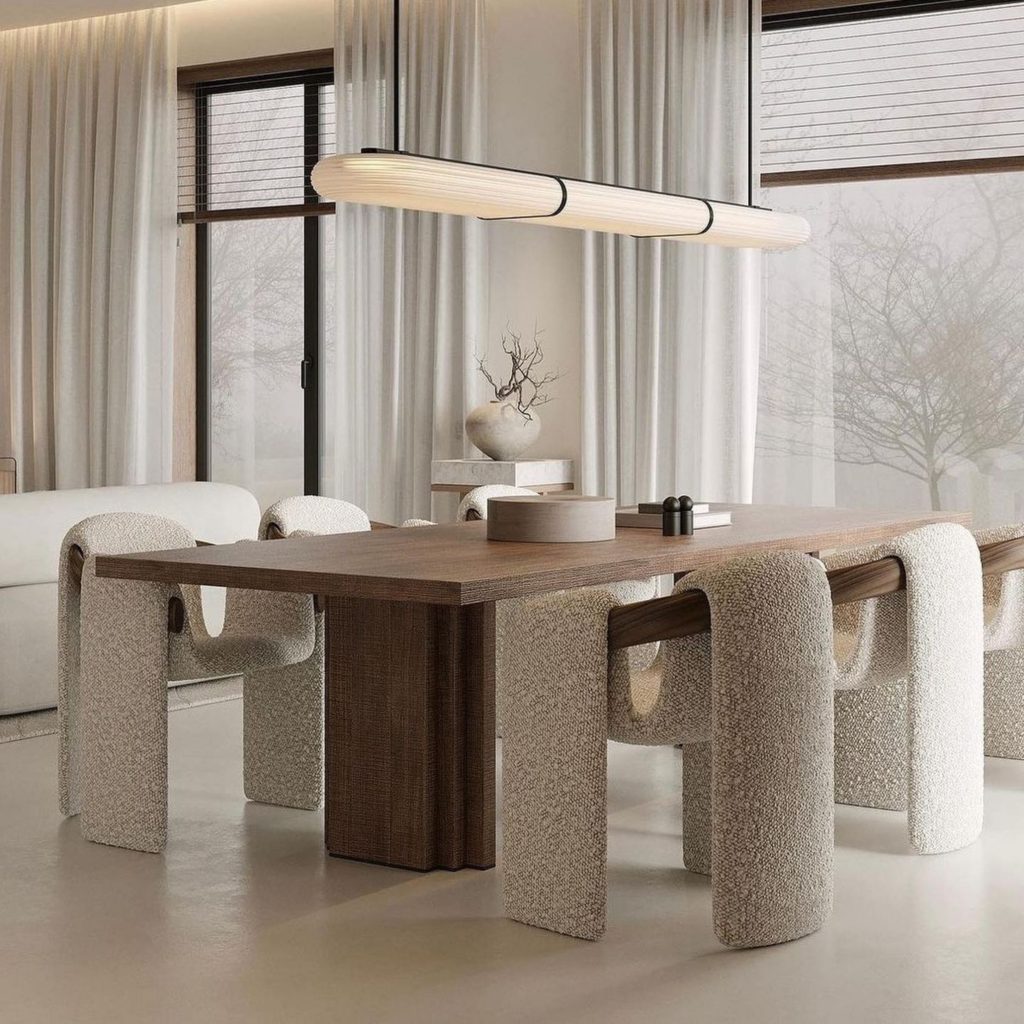
- Uma Sala de Jantar Confortável | Fonte: Pinterest
When Should You Involve an Interior Designer?
The moment you bring in a professional has a significant impact on how the home is shaped and, ultimately, on how it is valued. Ideally, the designer should be involved before any renovation or furniture selection takes place, helping identify potential and anticipate needs based on the first impression of the space.
This professional guidance supports essential decisions from the start, such as lighting distribution or the selection of durable, everyday‑appropriate materials, ensuring greater coherence between the initial vision and the final result. Even without major structural changes, this support remains valuable. By reorganizing layouts or rethinking the relationship between rooms, it becomes possible to transform the way the home is experienced, creating spaces that better align with daily life.
When interior designers collaborate with architects and contractors, the project gains a new level of coherence that is reflected in the quality of execution. This multidisciplinary approach elevates each decision and contributes to a smoother, more integrated process.
-
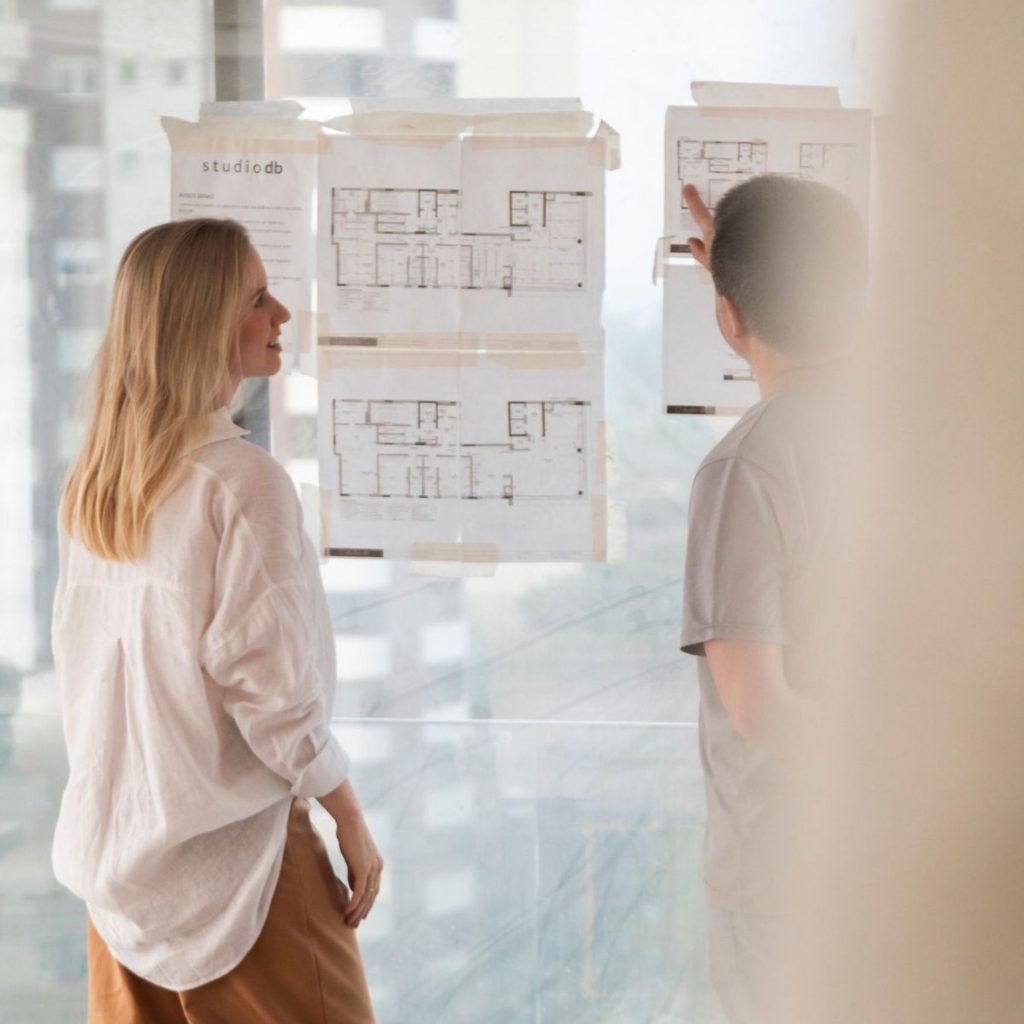
- Trabalho de um Designer de Interiores Aliado ao Conhecimento de Arquitetos e Empreiteiros | Fonte: Pinterest
-
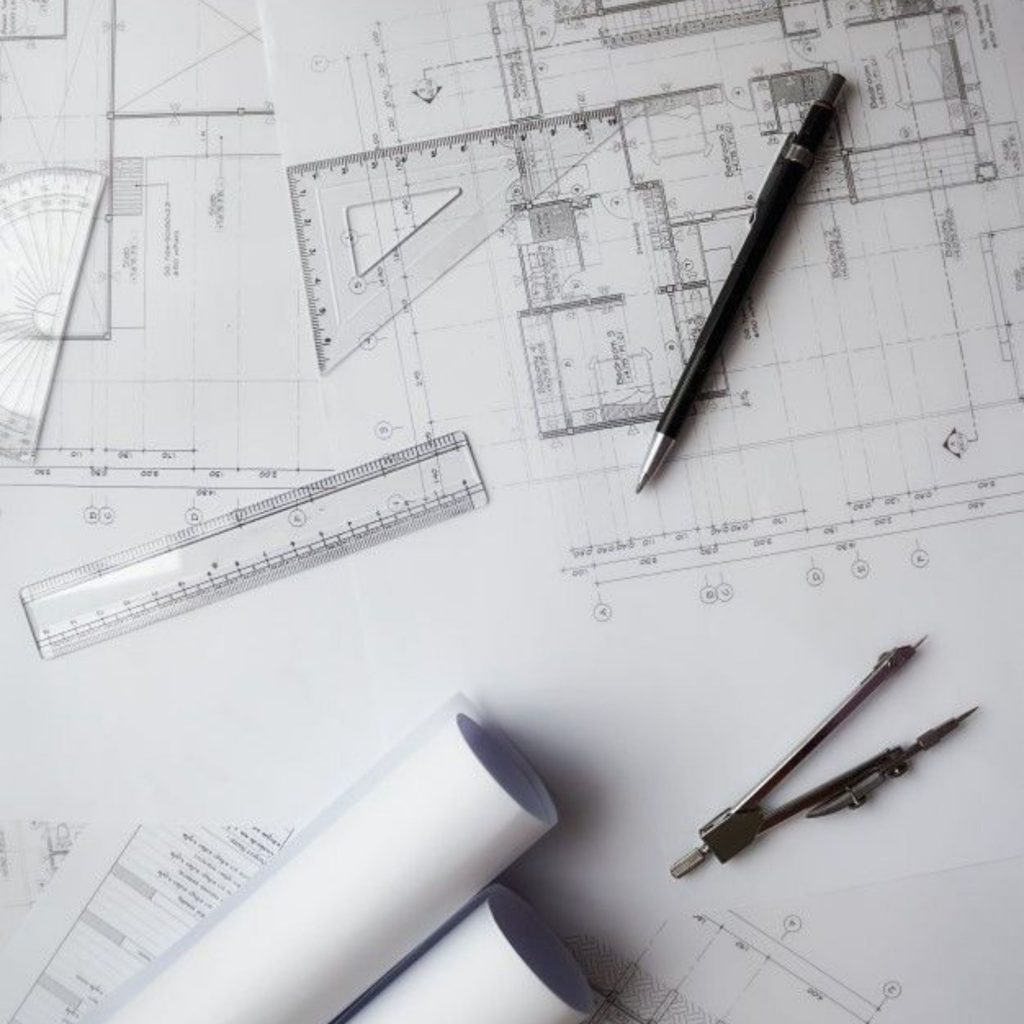
- Intervenção do Designer de Interiores | Fonte: Pinterest
The Impact of Early Decisions on the Final Result
When there is a clear vision from the beginning, it becomes easier to avoid isolated decisions that may seem right in the moment but compromise the overall coherence. Impulse purchases, individually chosen pieces, or mixing unrelated styles can create visually confusing spaces where nothing feels truly connected. Often, the issue isn’t each element on its own, but the lack of a guiding direction that unifies the whole.
This is precisely where the support of an interior designer proves valuable. By defining a concept before moving forward, it becomes possible to make more conscious, aligned decisions. This prevents future inconsistencies and helps build a more harmonious home.
-
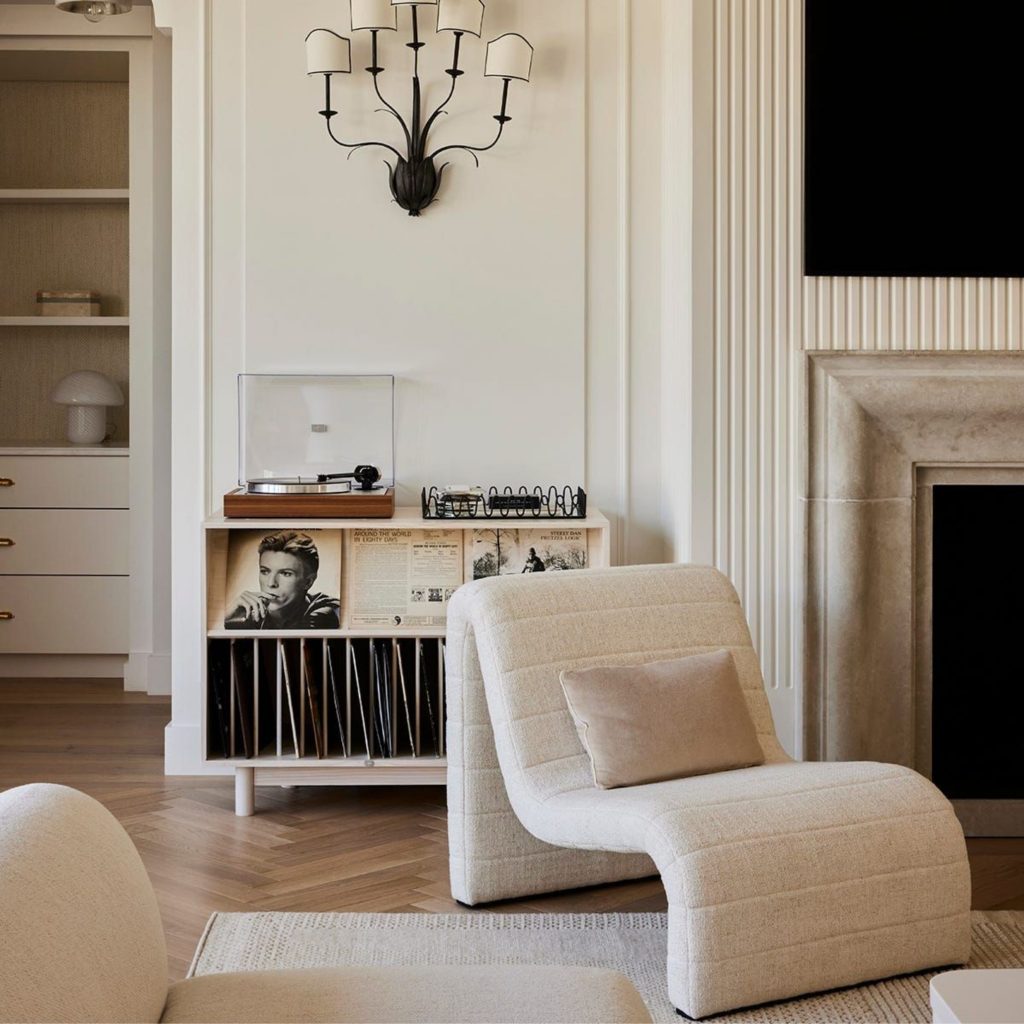
- Combinação de Diferentes Estilos | Fonte: Pinterest
-
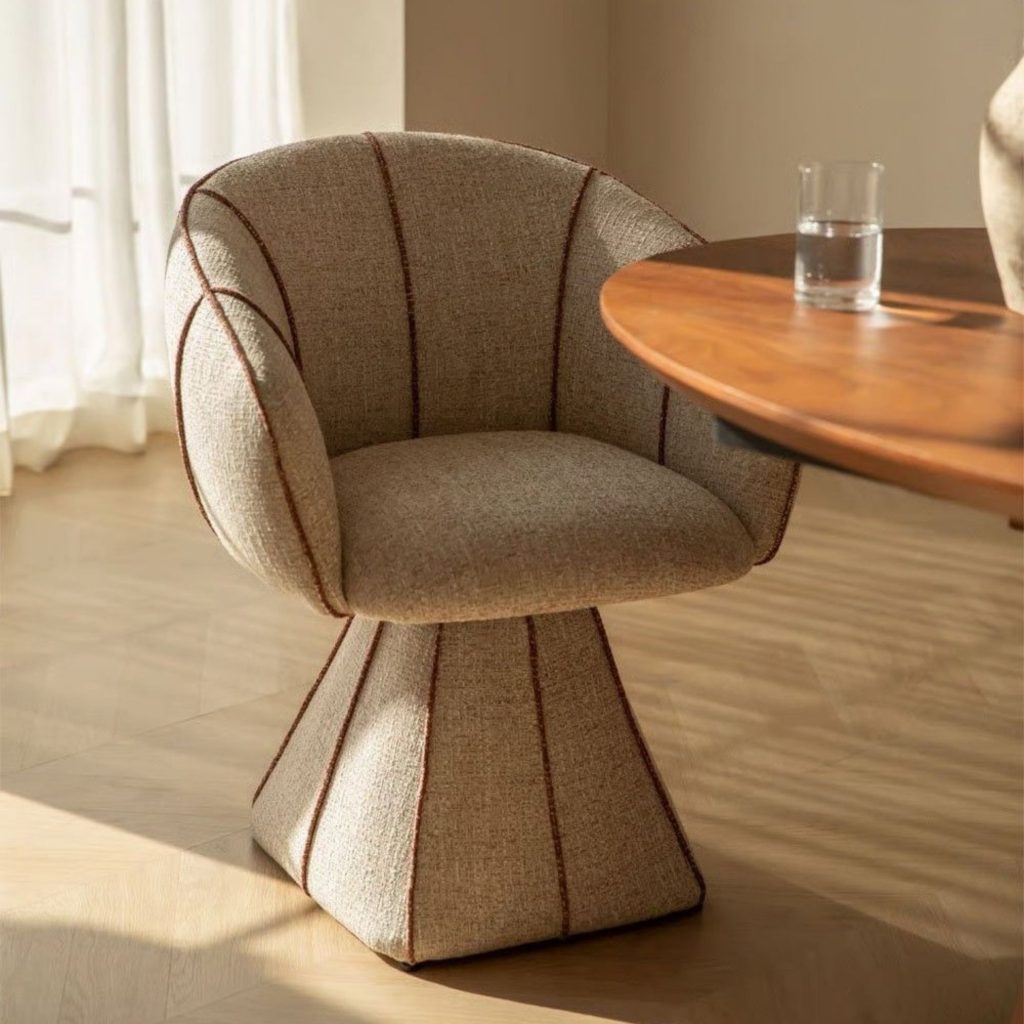
- Peças Escolhidas de Forma Isolada | Fonte: Pinterest
Prioritizing Long‑Term Choices
A home is often a long‑term investment, yet the needs of its occupants rarely stay the same over time. As life evolves, so do priorities and the way spaces are used. That’s why interior design must go beyond immediate needs, helping create a home capable of adapting to different stages of life.
Whether to accommodate a growing family or simply respond to new routines, interior design shows its value in its ability to adapt the home to the evolution of those who live in it. A designer can anticipate these needs and create a home designed not only for the present but also for the future.
-
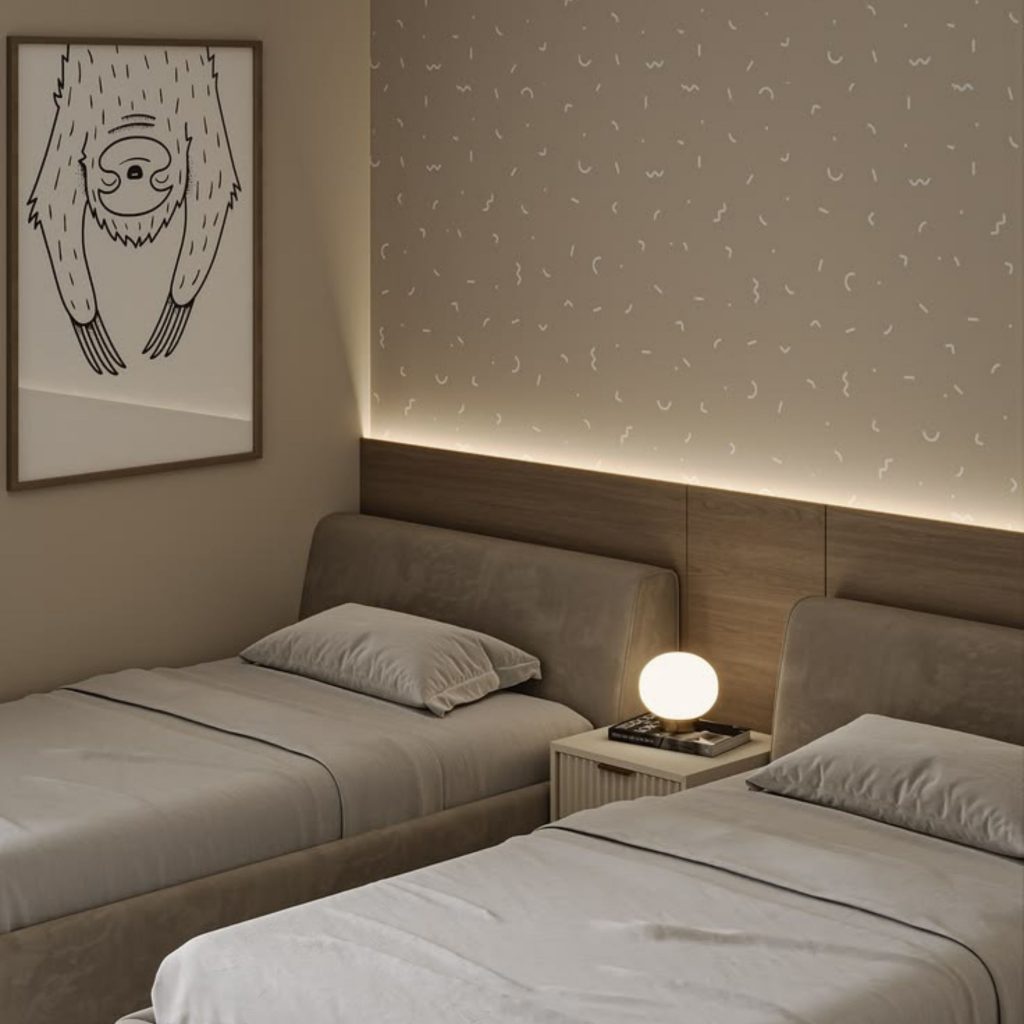
- Um Quarto
-
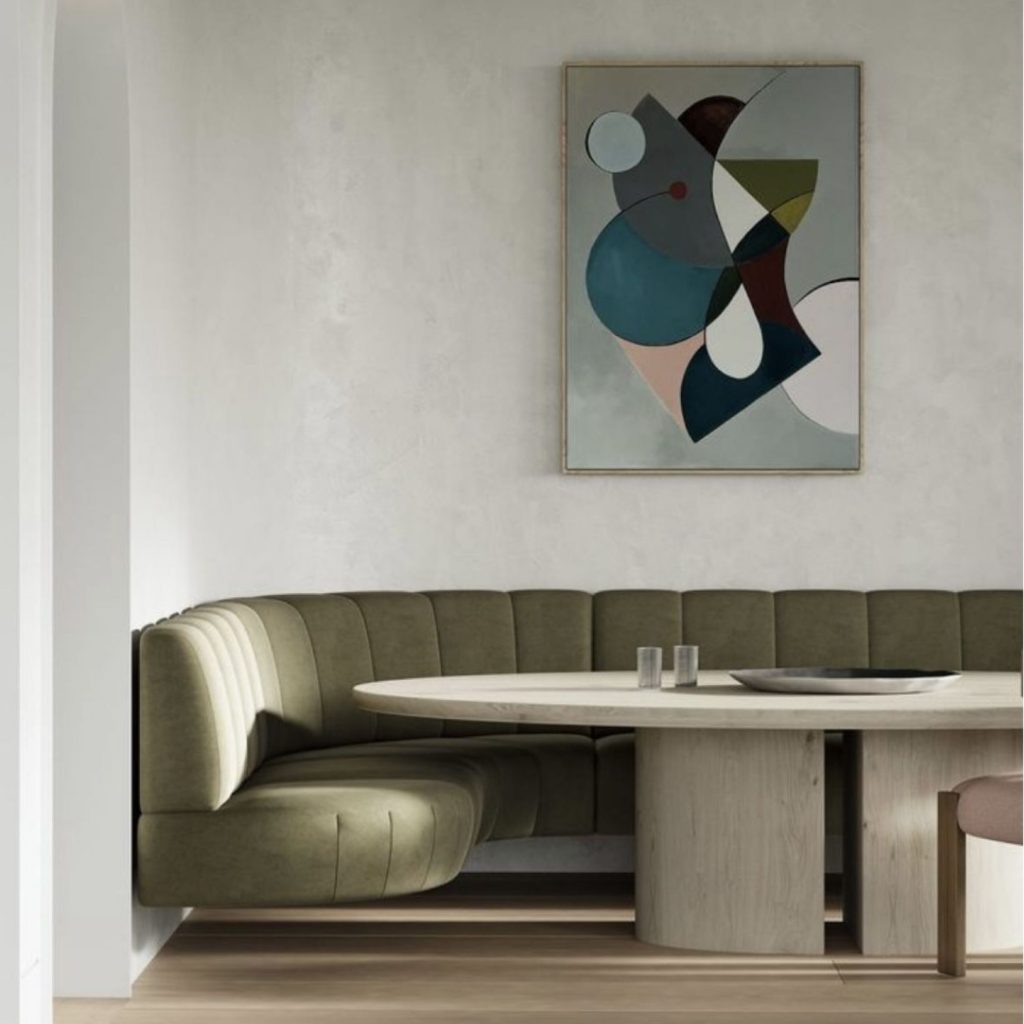
- Um Ambiente Pensado para Responder a Novas Rotinas | Fonte: Pinterest
Adding value to a home through interior design is, above all, about looking beyond the immediate and recognizing everything a space can become. With a clear vision, it becomes possible to create harmonious environments prepared to evolve over time.
Ultimately, it is this ability to respond coherently to the home’s changing needs that truly enhances its value, creating a place that makes sense now and continues to make sense in the years to come.