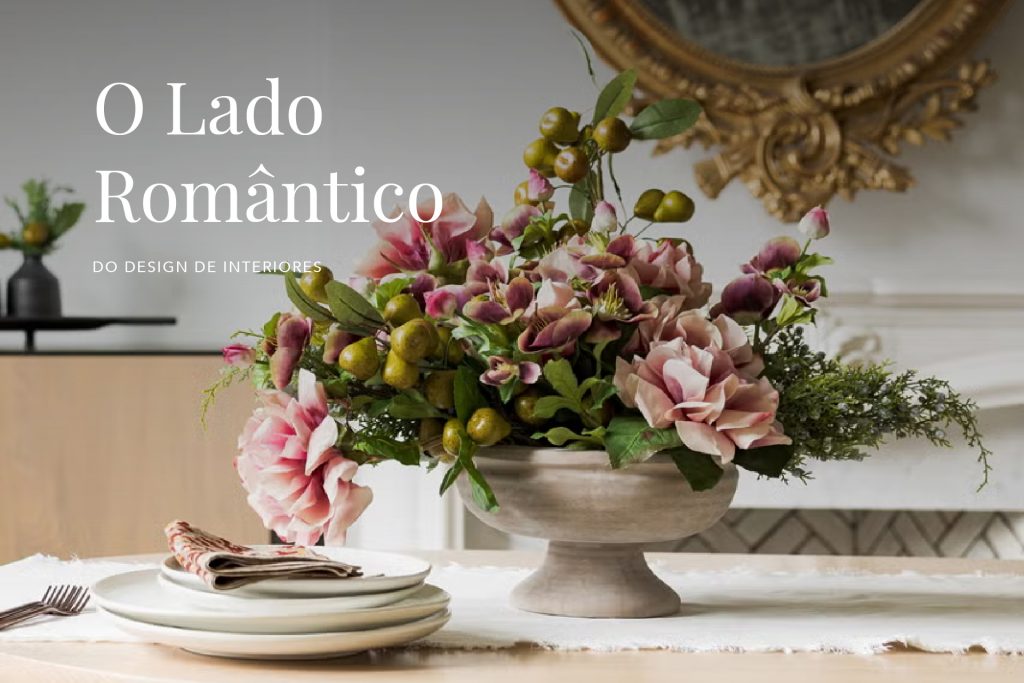
Just as there are discreet and elegant spaces or interiors with a strong presence, interior design also has a more romantic side. Far from clichés, this romanticism is expressed through intentional details, whether in the way light caresses surfaces or in the textures that invite touch.
On Valentine’s Day, this facet of interior design becomes even more relevant, turning the home into the perfect setting to celebrate intimacy and the beauty of small gestures.
Continue reading and discover how to bring this more romantic side into your home, with elegance and intention.
-
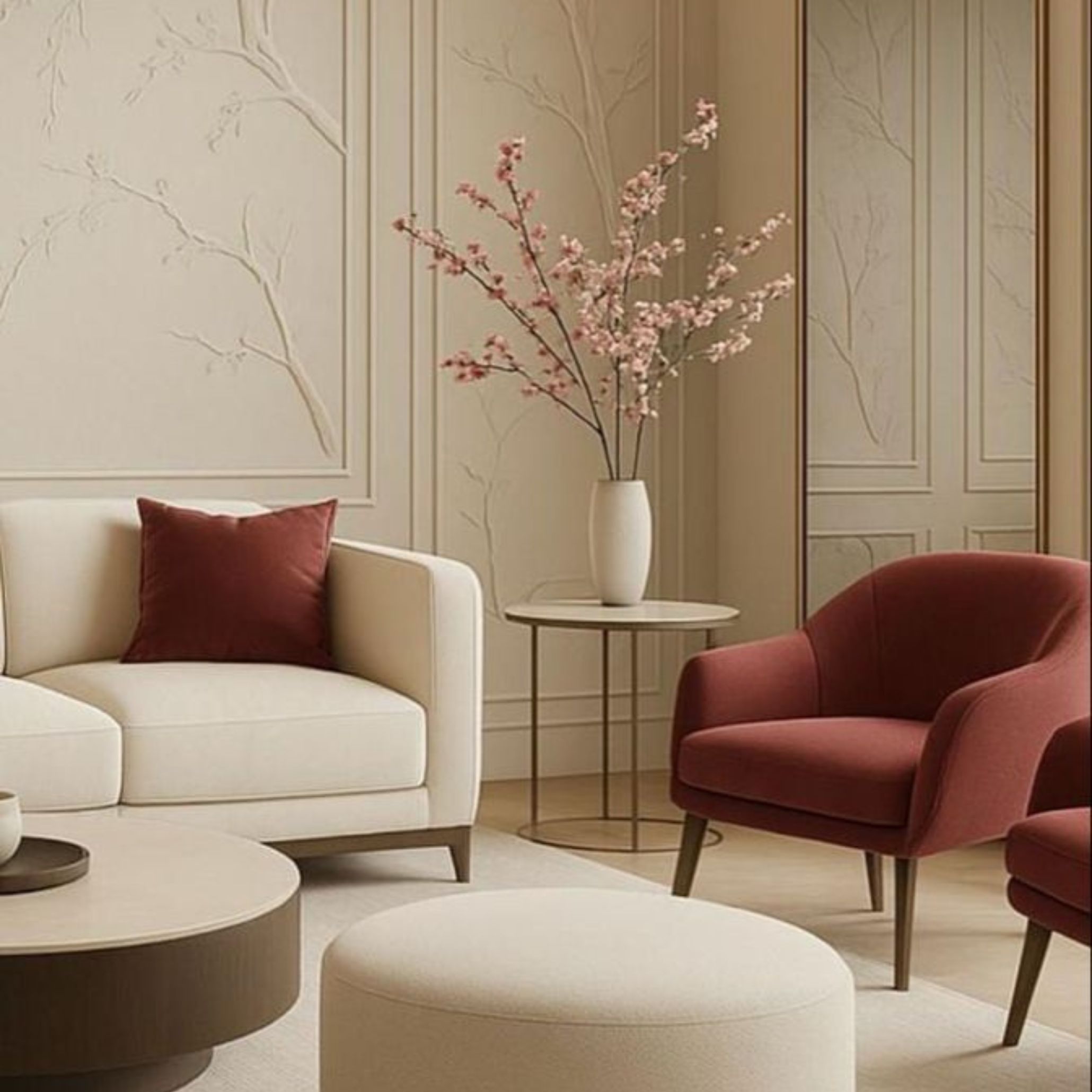
- Apontamentos Românticos | Fonte: Pinterest
-
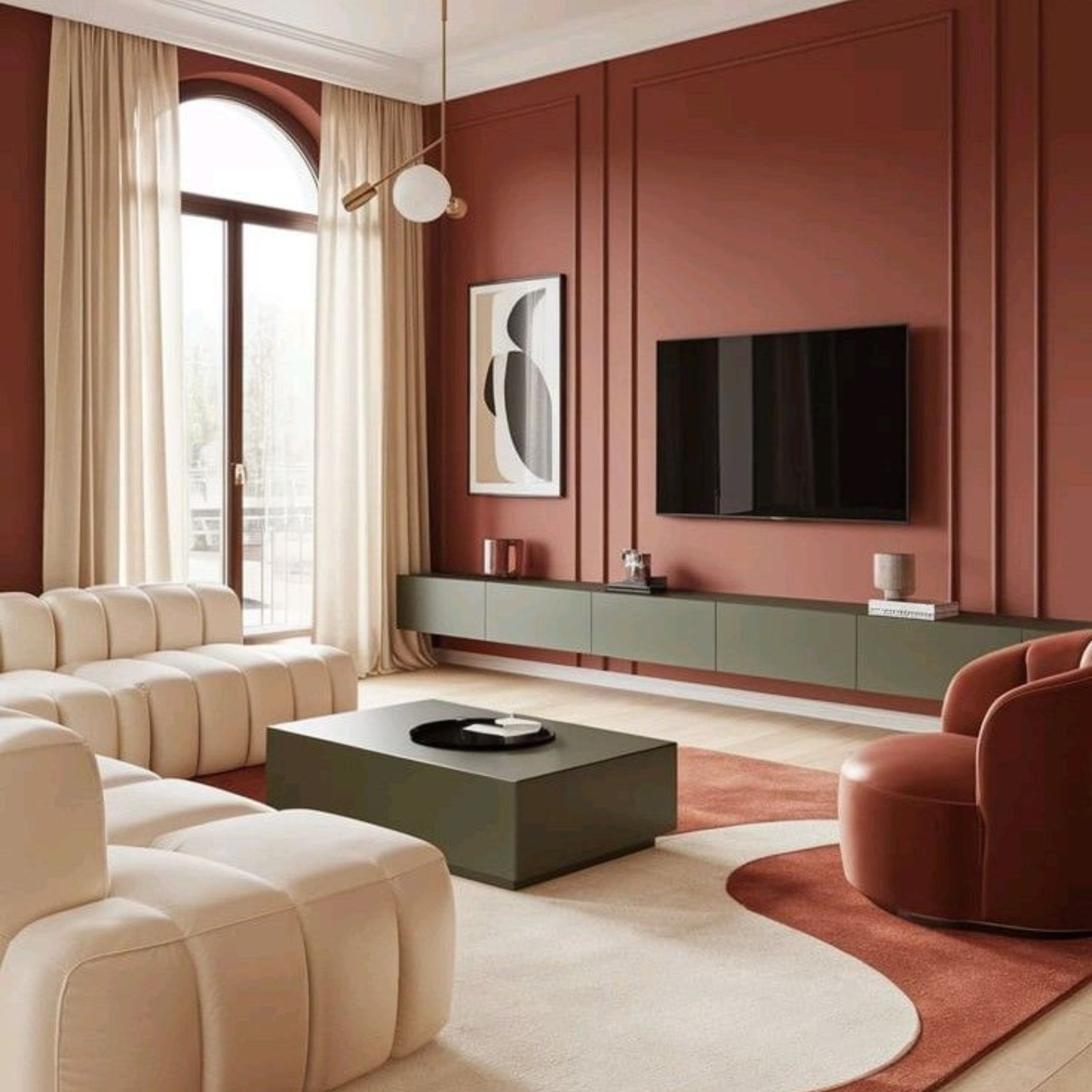
- O Cenário Perfeito para Celebrar Momentos Especiais | Fonte: Pinteresst
How to Create Romantic Interiors in Interior Design?
In a context where the home is taking on an increasingly emotional role, there is a growing desire for sensory interiors and spaces that are not limited to being visually appealing, but that also evoke feelings and create a connection with those who live in them. The romantic side of interior design is revealed precisely in this ability to envelop and welcome through choices that appeal to the senses and elevate the everyday experience.
Materials That Create an Intimate Feeling
Materials are the foundation of any immersive atmosphere. Refined fabrics such as velvet, silk, or washed linen introduce tactile depth and quiet comfort, while natural woods and delicately veined stones add warmth and authenticity.
In the details, materials such as brushed brass add warmth without ostentation through their soft reflections, elevating handles, lamps, or even small fittings. In addition, blown glass brings lightness and artistic expression to a space, with organic shapes and transparencies that capture the light in a delicate way.
It is in the way textures meet that a space gains depth and becomes irresistibly welcoming. When all the layers are carefully considered, the space becomes far more interesting and immersive.
-
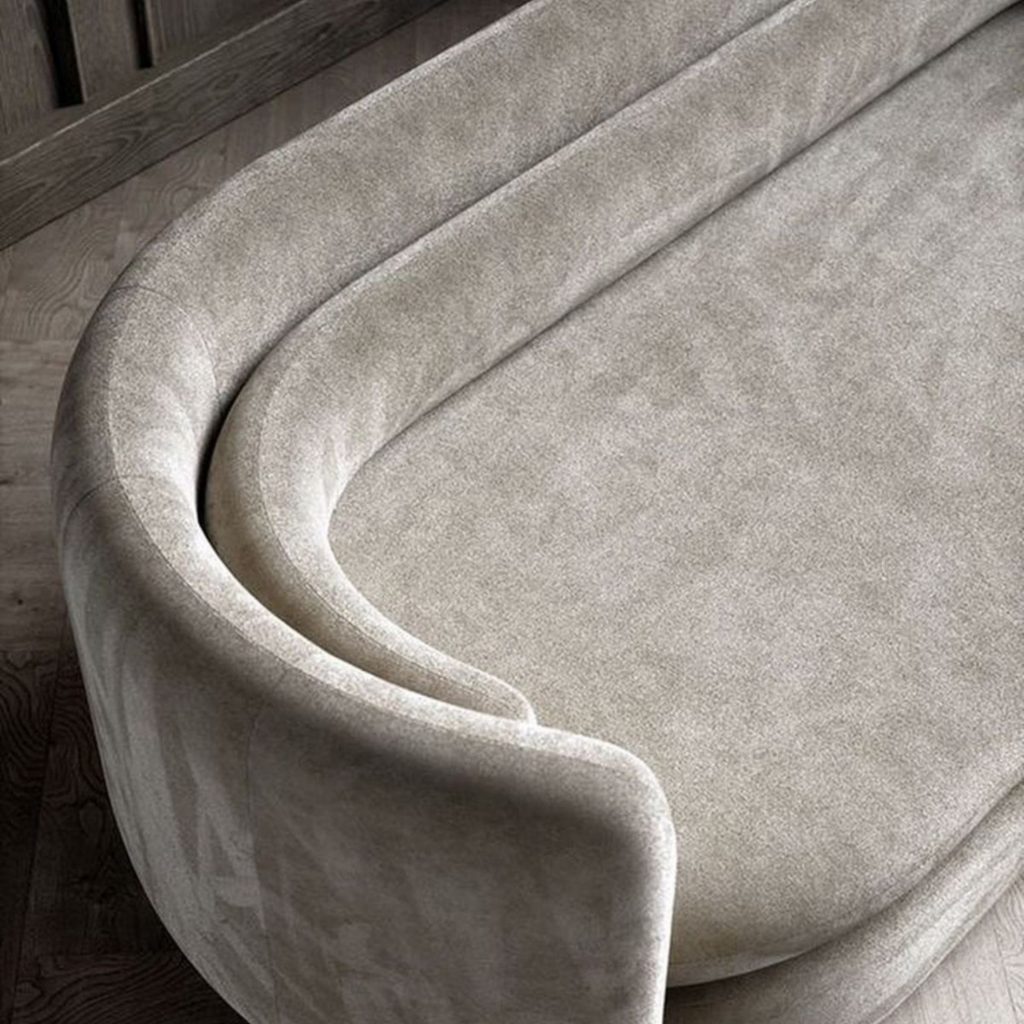
- Sofá em Veludo | Fonte: Pinterest
-
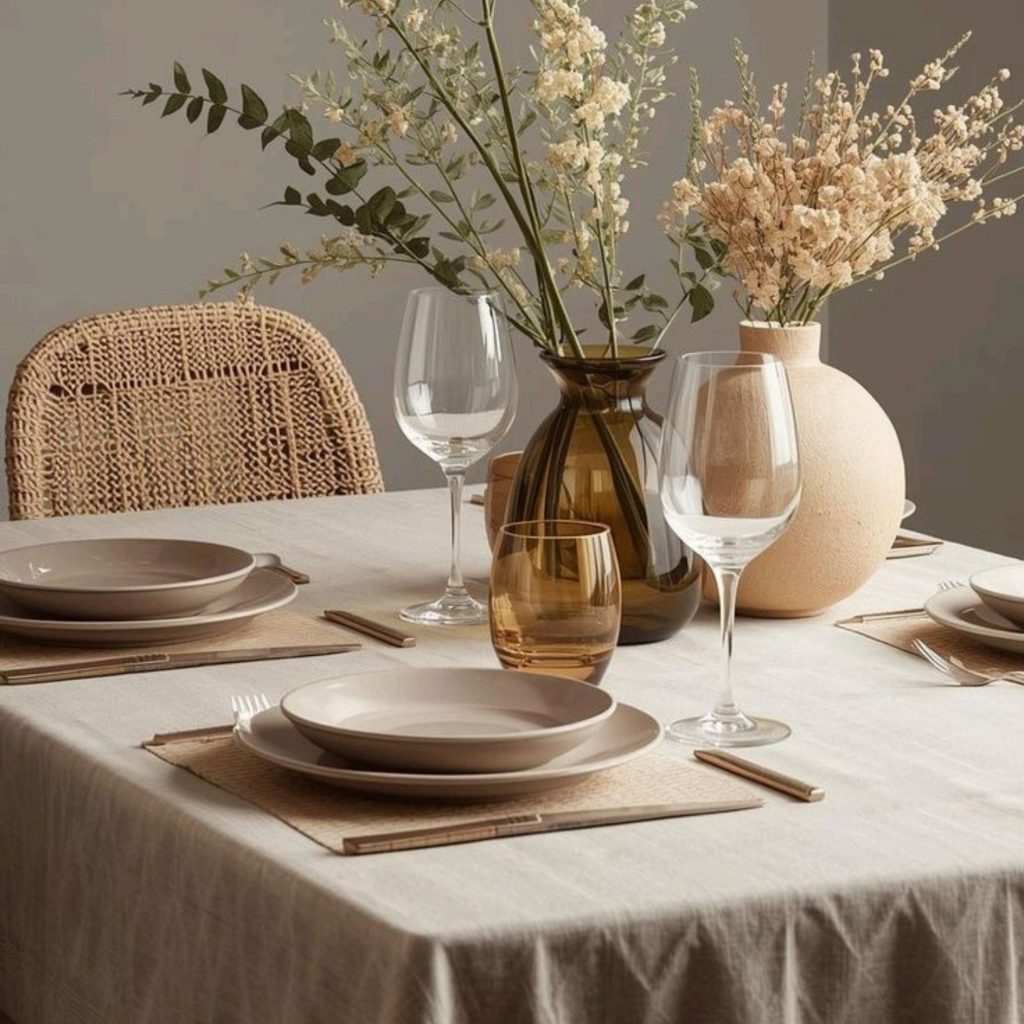
- Toalha de Mesa de Linho | Fonte: Pinterest
-
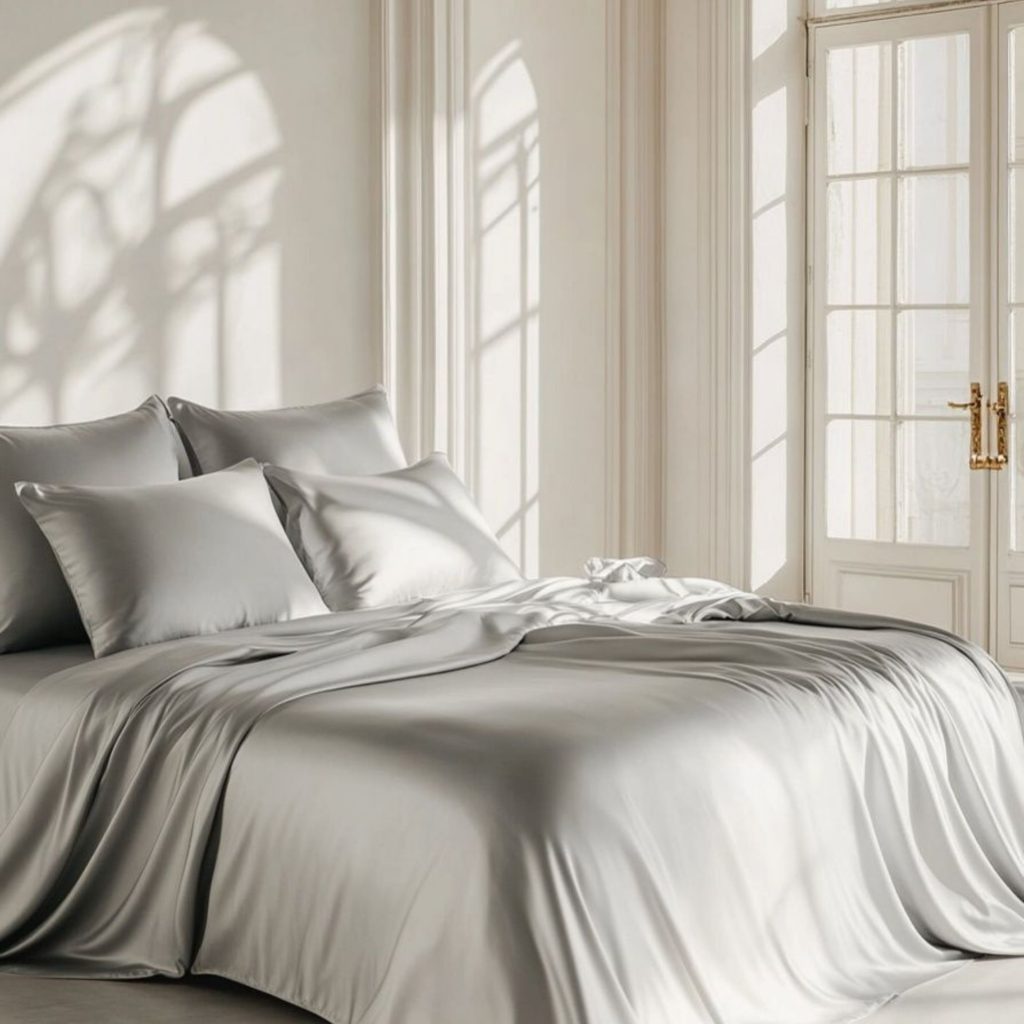
- Lençois de Seda | Fonte: Pinterest
Colour Palette
Colours define the emotional tone of a space, and in a romantic style, soft and enveloping shades are favoured. Dusty pinks, nude tones, champagne, or touches of brushed gold create a serene and luminous base. Instead of abrupt contrasts, the aim is tonal harmony, where colours blend delicately and help to build a calm atmosphere.
-
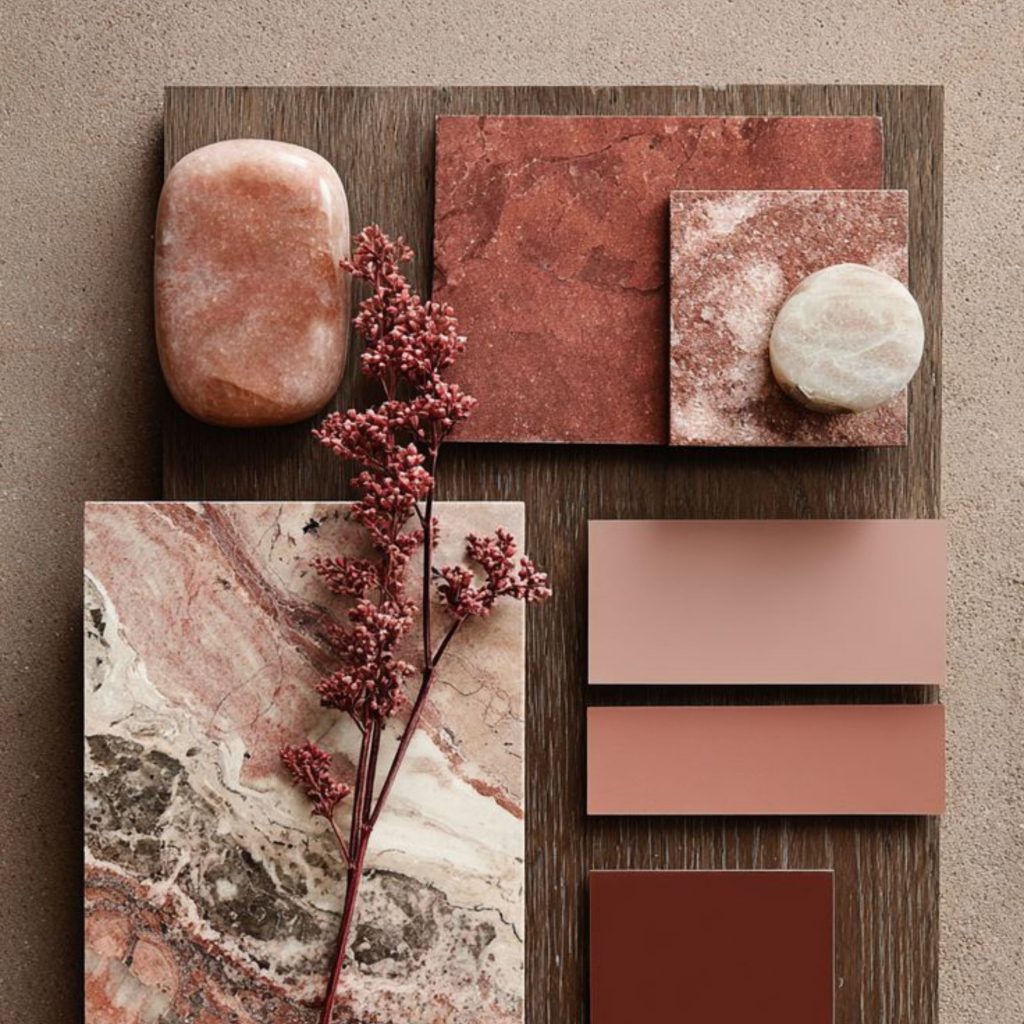
- Paleta de Cores Romântica | Fonte: Pinterest
-
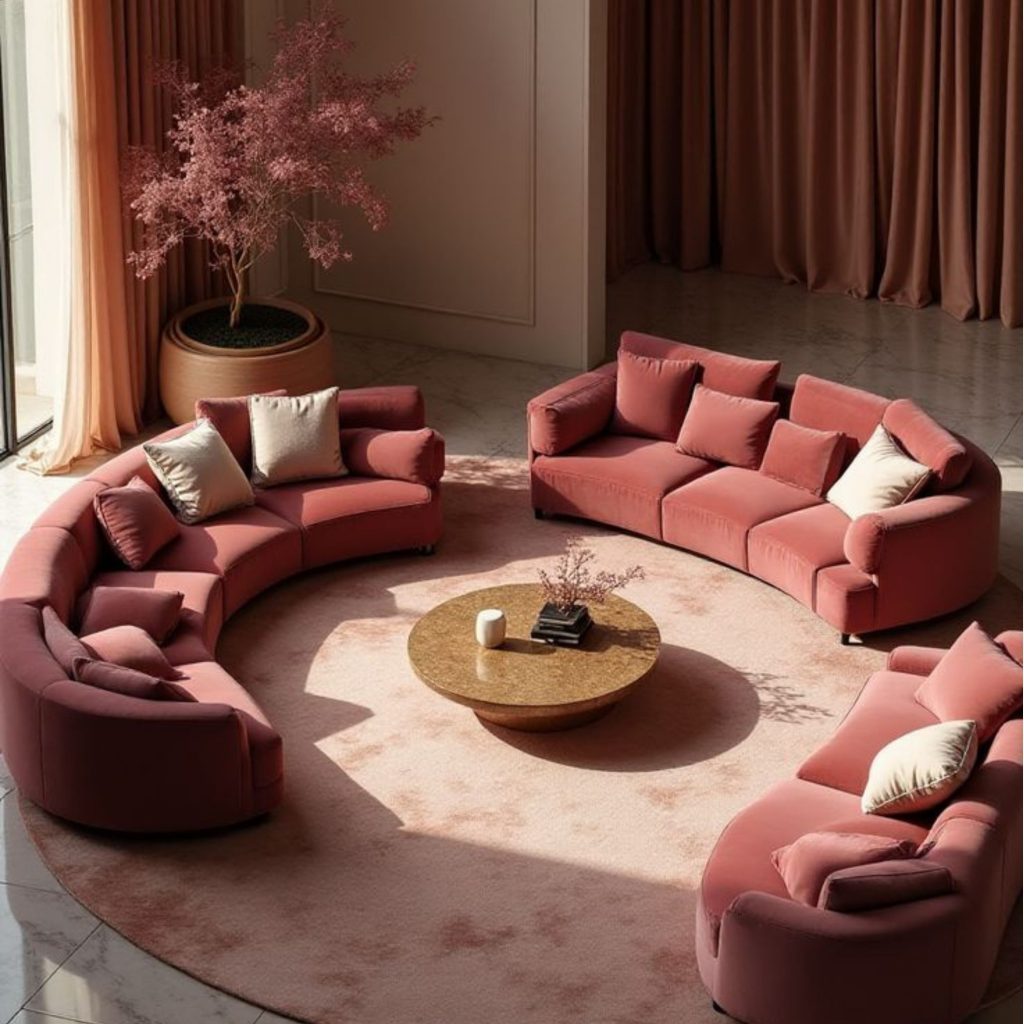
- Sala de Estar Romântica | Fonte: Pinterest
Fluid Silhouettes and Refined Details
Forms also communicate emotion. Curved lines and soft volumes create a sense of fluidity, contrasting with the excessive rigidity of overly sharp angles. Sofas with a rounded silhouette, such as the Cotton sofa, or side tables with a more organic design, such as the Natur side tables, reinforce this more delicate and sensory visual language.
There is also a particular elegance in interiors that value the importance of details in every choice. Lace and embroidery, applied to cushions, bed linen, or light curtains, add a handcrafted and often nostalgic dimension, helping to create a more personal atmosphere. Elements such as ornate frames or sculptural lighting complete the composition, making the décor richer.
-
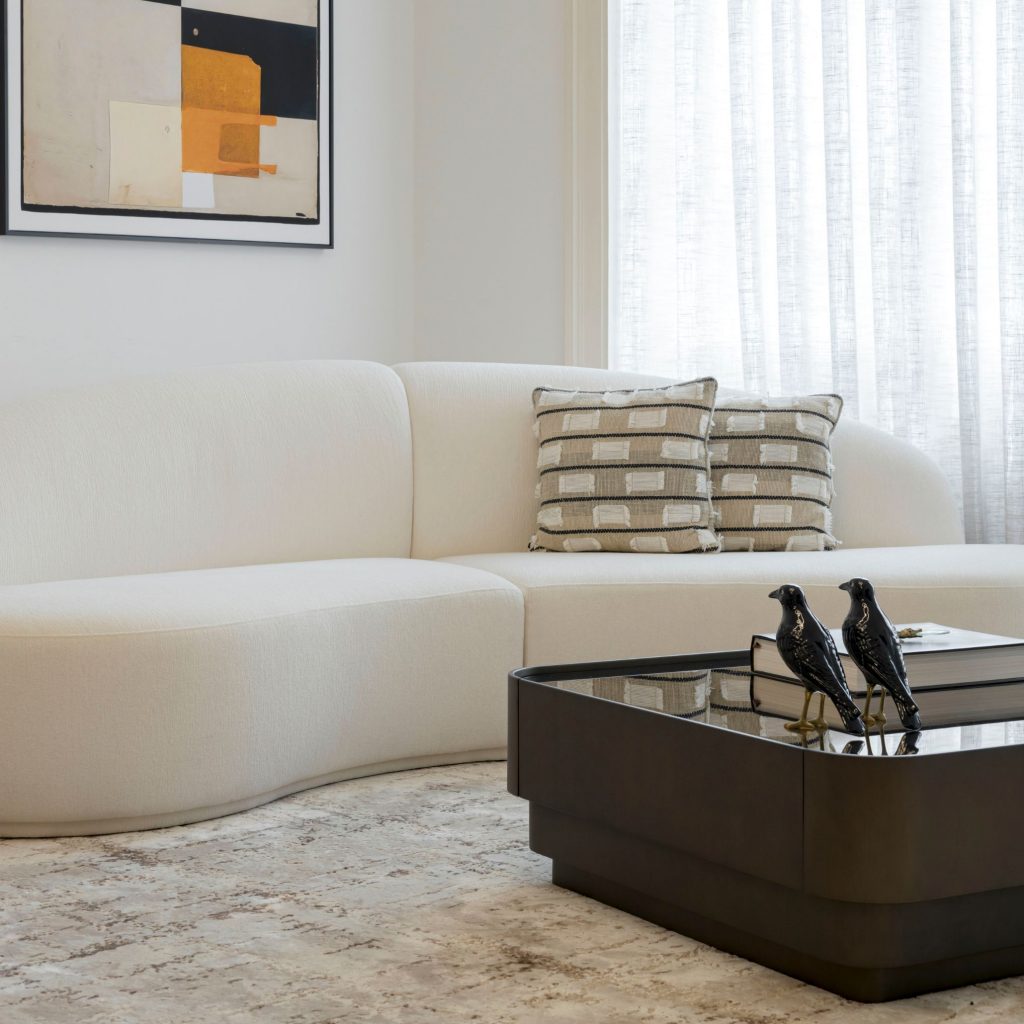
- Sofá Cotton
-
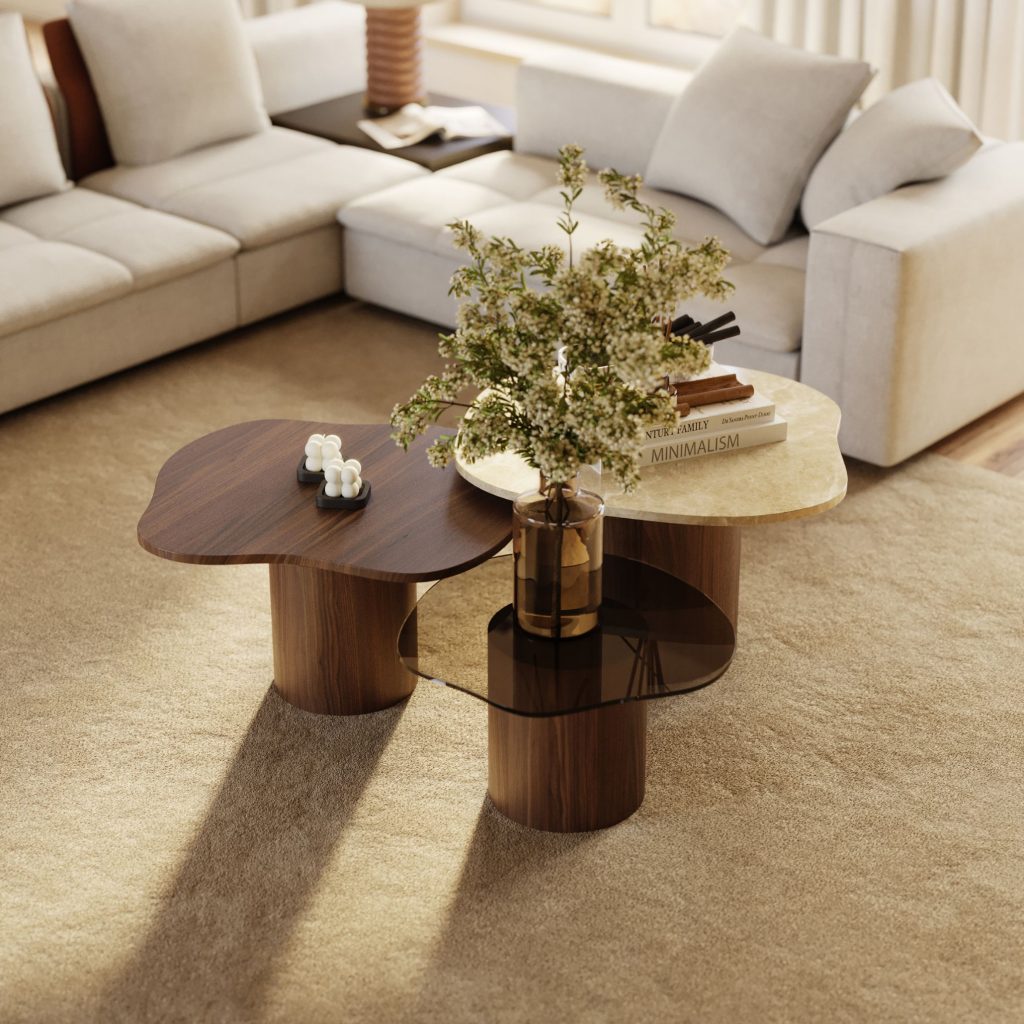
- Conjunto de Mesas Natur
Spaces That Encourage Closeness and Intimacy
In the world of interior design, romanticism does not live only in materials or colours; it is expressed above all in the way a space brings people closer together. It is about designing moments: small conversation corners in the living room, chairs positioned face to face to encourage eye contact, or furniture compositions that shorten distances and make the space feel more human.
Lighting, in turn, has the power to completely transform the perception of an interior. Instead of uniform general lighting, opt for focused lighting created by table lamps, floor lamps, or wall lighting, as these shape more intimate zones within the space. On Valentine’s Day, these details gain new relevance, showing how design can be a quiet ally in creating moments of connection and intimacy.
-
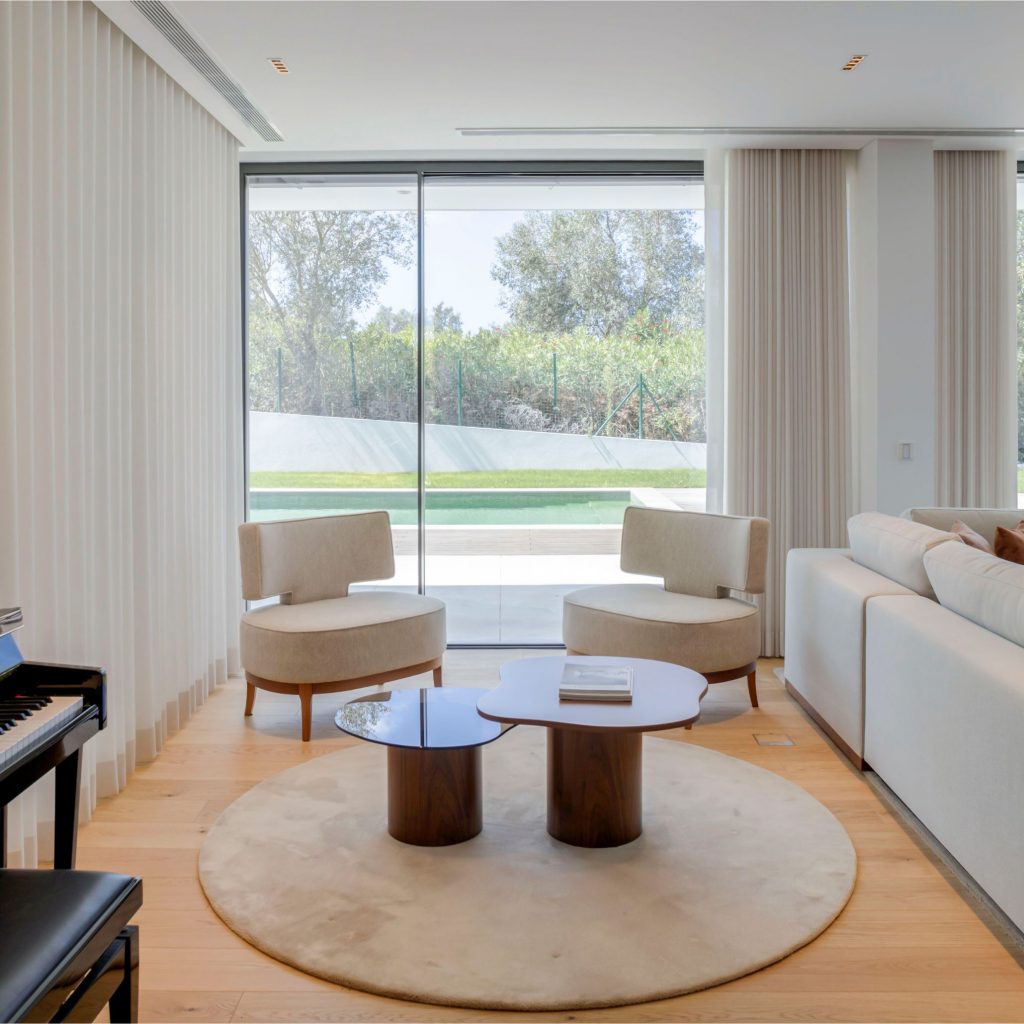
- Conjunto de Cadeirões que Incentiva Conversas mais Intimistas.
-
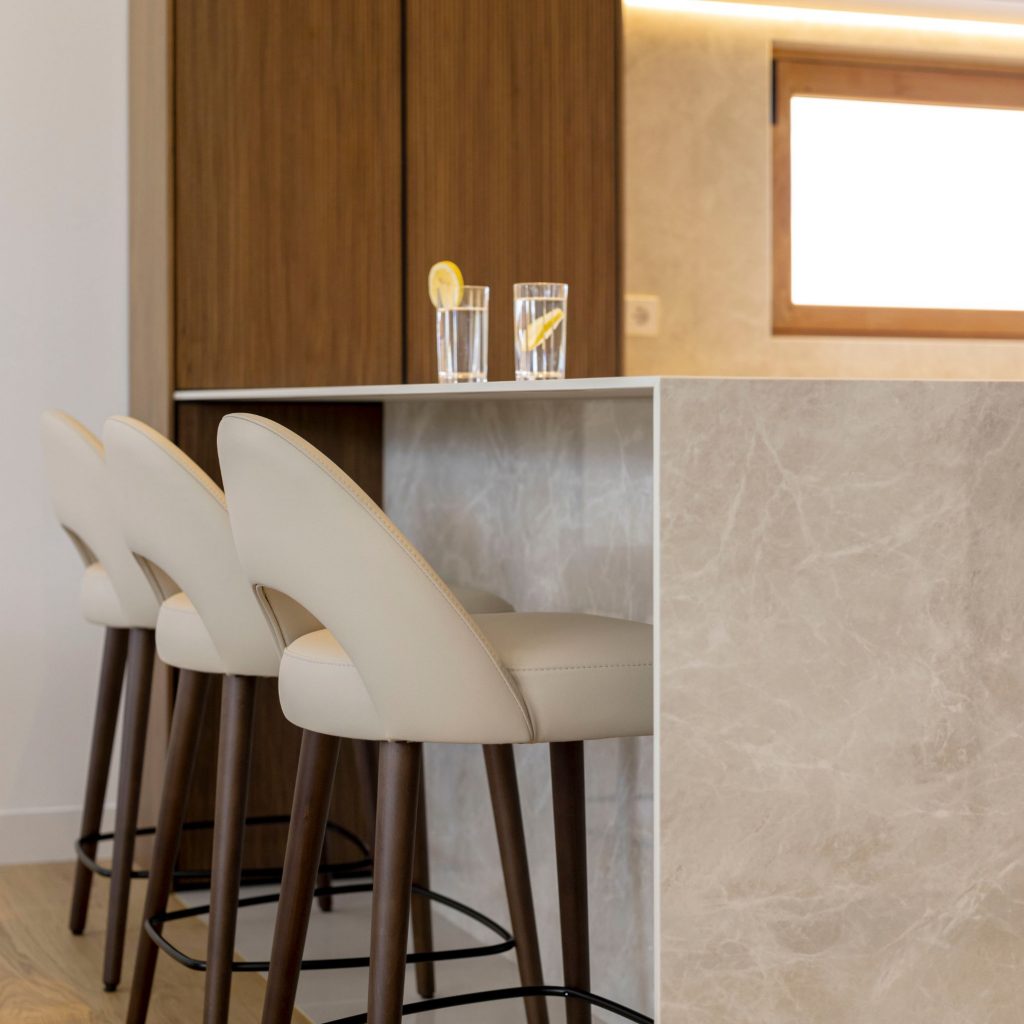
- Ilha com Bancos Altos para Encorajar o Convívio
Dining Room Décor for Valentine’s Day
On Valentine’s Day, dining room décor calls for particular attention that goes beyond a well-composed dining table. The aim is to think about the setting as a whole, ensuring that each element plays a part in creating a romantic atmosphere.
Walls, for example, can take on a new presence when decorated with artworks in soft tones, while consoles and sideboards become surfaces of expression, where decorative objects, such as the set of 3 Minimalist Sculptures or Candle Holder II, have the opportunity to help create a more intimate and emotional atmosphere. Textiles also play a quiet but essential role in shaping the setting. Long curtains frame the windows and dense rugs under the table help absorb sound, making the atmosphere calmer.
-
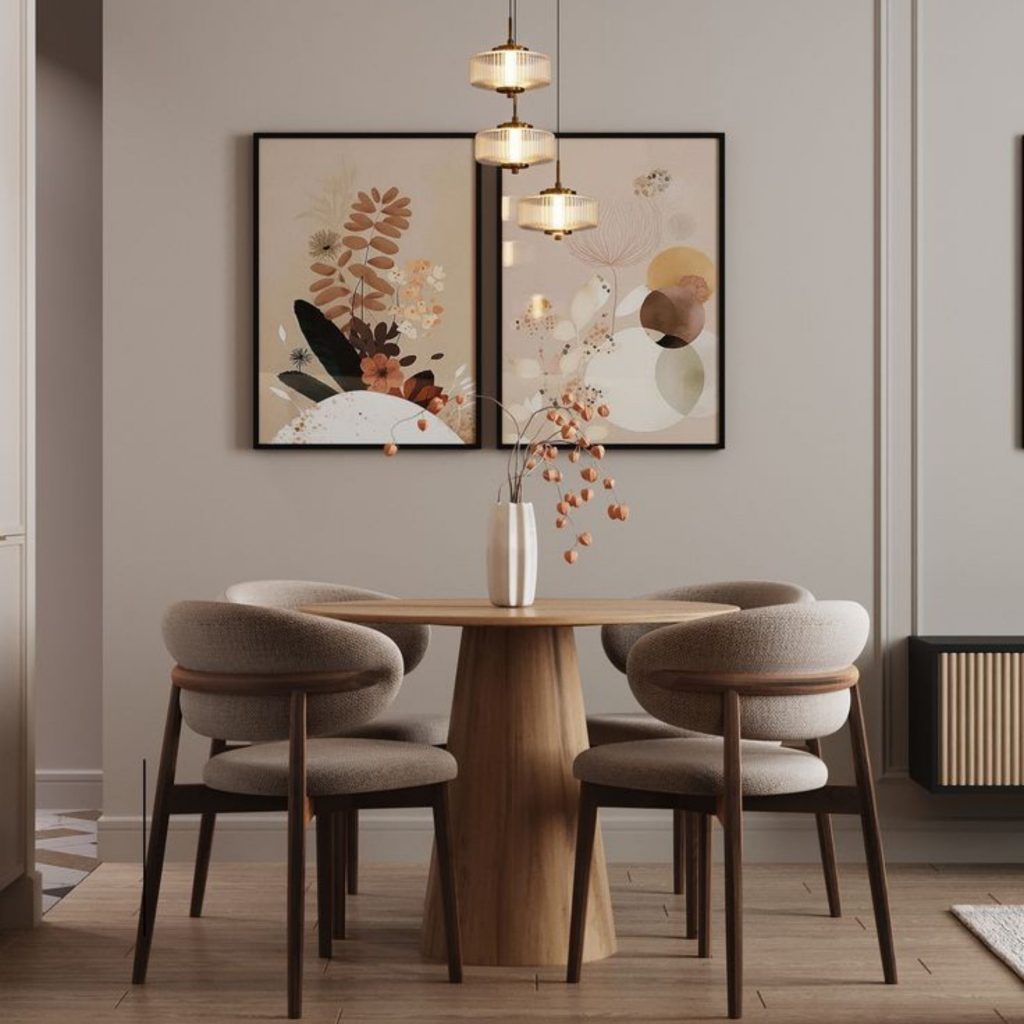
- Sala de Jantar com Quadros em Tons Suaves | Fonte: Pinterest
-
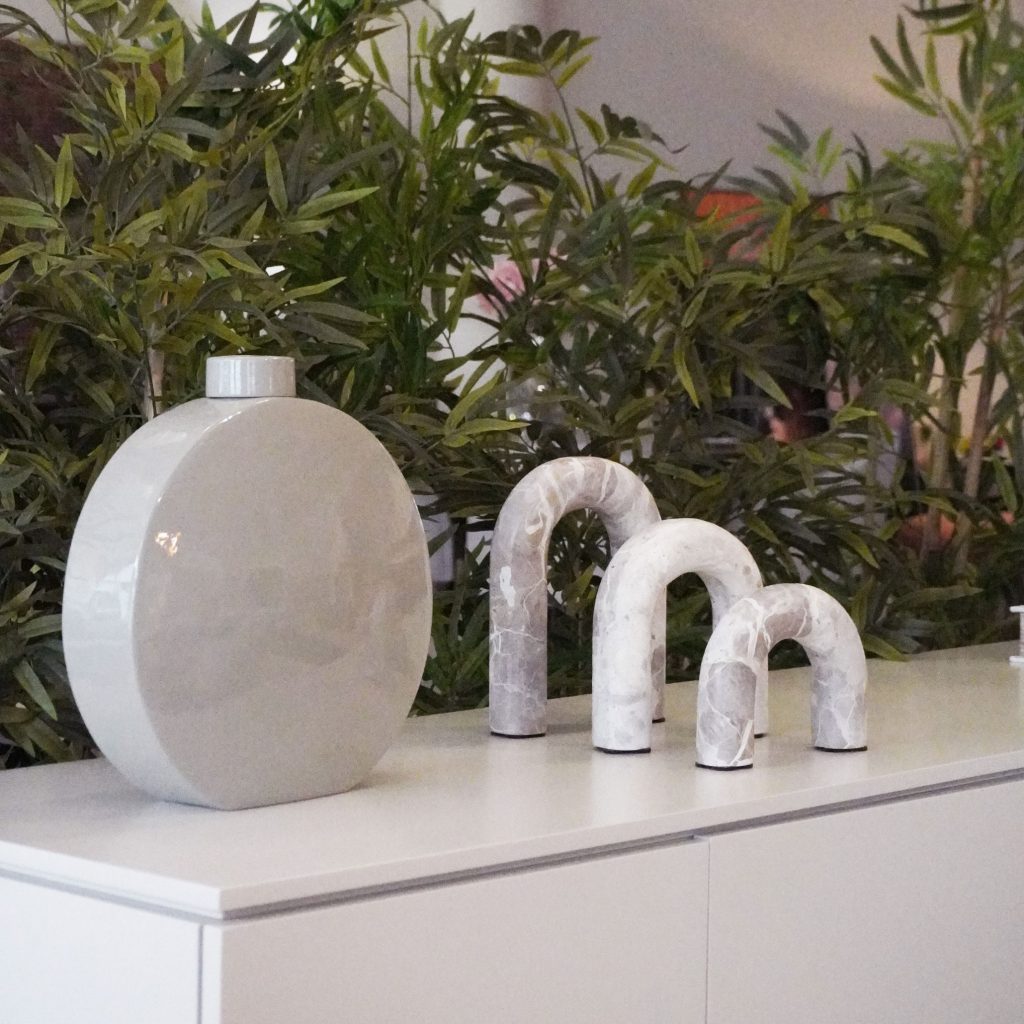
- 3 Esculturas Minimalistas como Decoração de Aparador
This more romantic side of interior design is revealed above all in what a space makes us feel and in the way it is designed to bring the people who live in it closer together. The focus should be on creating spaces with identity, capable of contributing to a balanced and deeply human sensory experience.