
Architects and interior designers increasingly recognize the importance of creating environments that promote well-being, not only physically but emotionally as well. The home is no longer understood simply as the backdrop to everyday life. It now occupies a more central role, influencing how we feel, rest, and relate to the rhythm of our days.
At a time when health and well-being are becoming increasingly important, it is essential to consider the impact of interior spaces on contemporary lifestyles. Given that people spend most of their time indoors, particularly in urban environments, there is growing awareness that our surroundings can make a significant contribution to mental health.
Throughout this article, discover how interior design can support your emotional well-being.
-
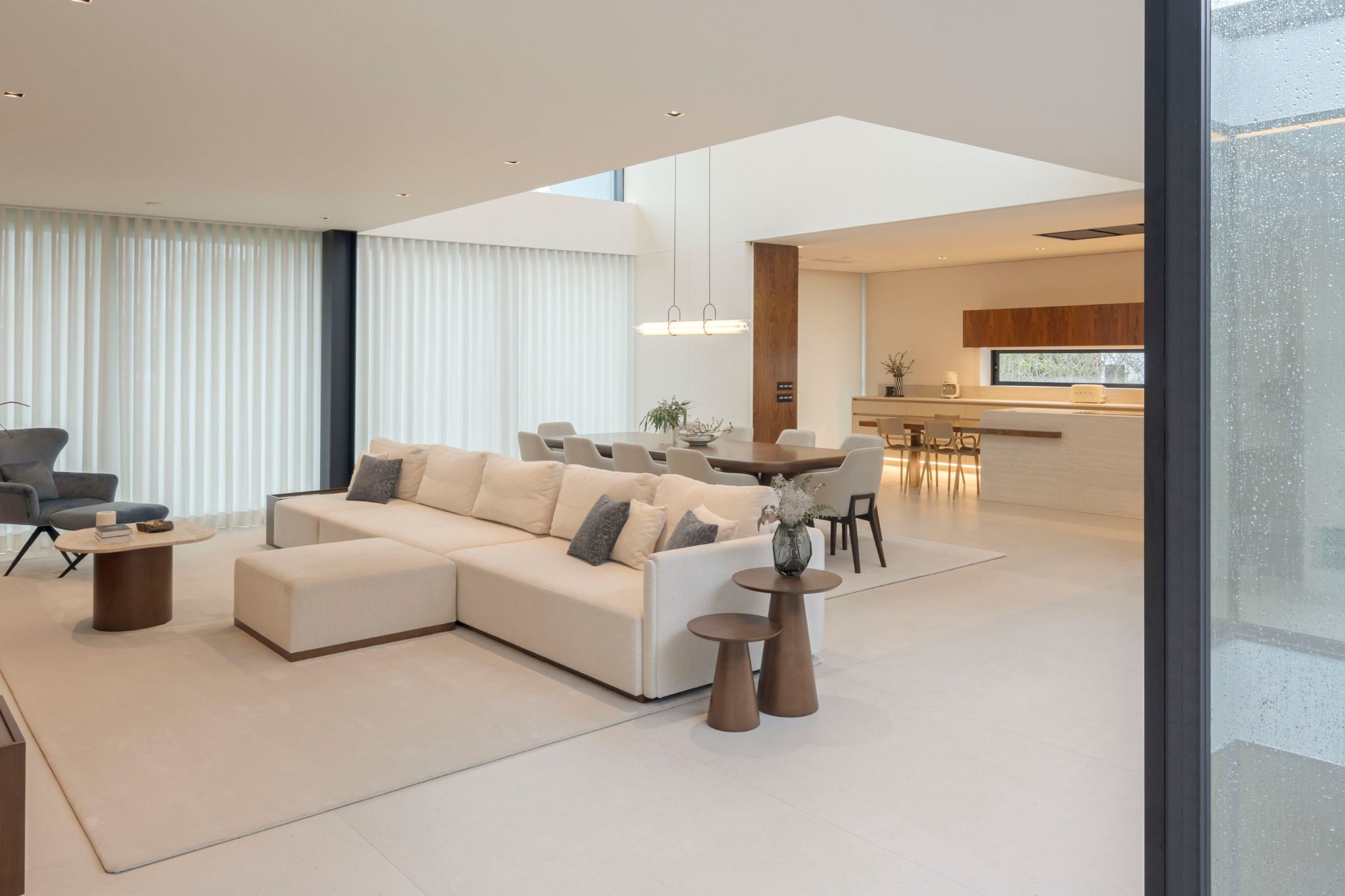
- Open Space que Promove Bem-Estar
How Can Interior Design Influence Mental Health?
Interior design can have a much deeper impact on everyday life than is often assumed, directly influencing mood, stress levels, and even the ability to concentrate.
Light is an especially influential element. While natural light is associated with a greater sense of well-being, artificial lighting can have the opposite effect when it is excessively bright or harsh, potentially creating discomfort and tension. Softer, indirect sources of artificial light, however, can help create calmer atmospheres that encourage rest and emotional stability. Ventilation and air quality are equally important, as poorly ventilated spaces tend to feel less comfortable and are more likely to cause fatigue.
Color is another element that affects how a space is perceived. Soft, cool shades such as blue or lavender tend to support calmer, more welcoming environments, while warmer tones such as yellow or orange can stimulate energy and creativity.
Finally, the presence of natural elements such as plants, wood, stone, and natural light can further enhance a sense of comfort and well-being.
-
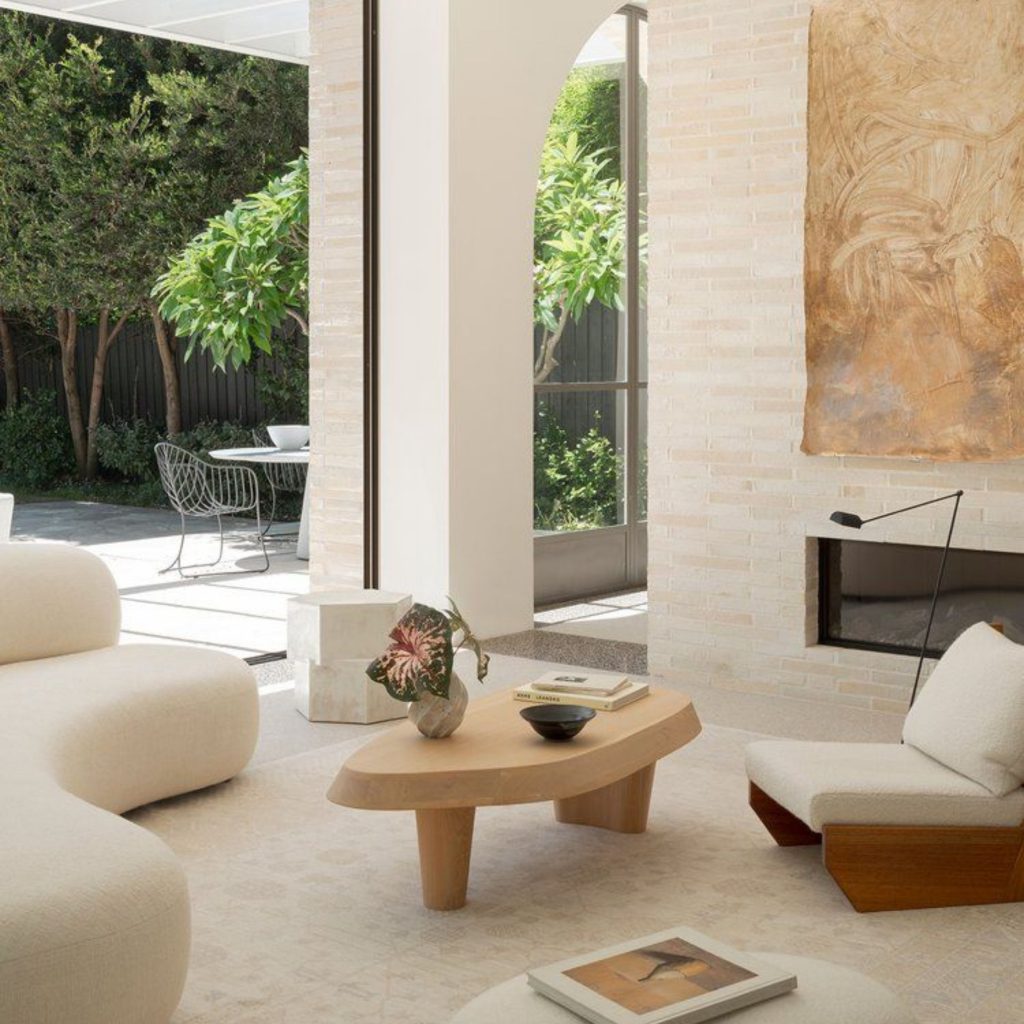
- A Influência de Luz Natural no Ambiente
-
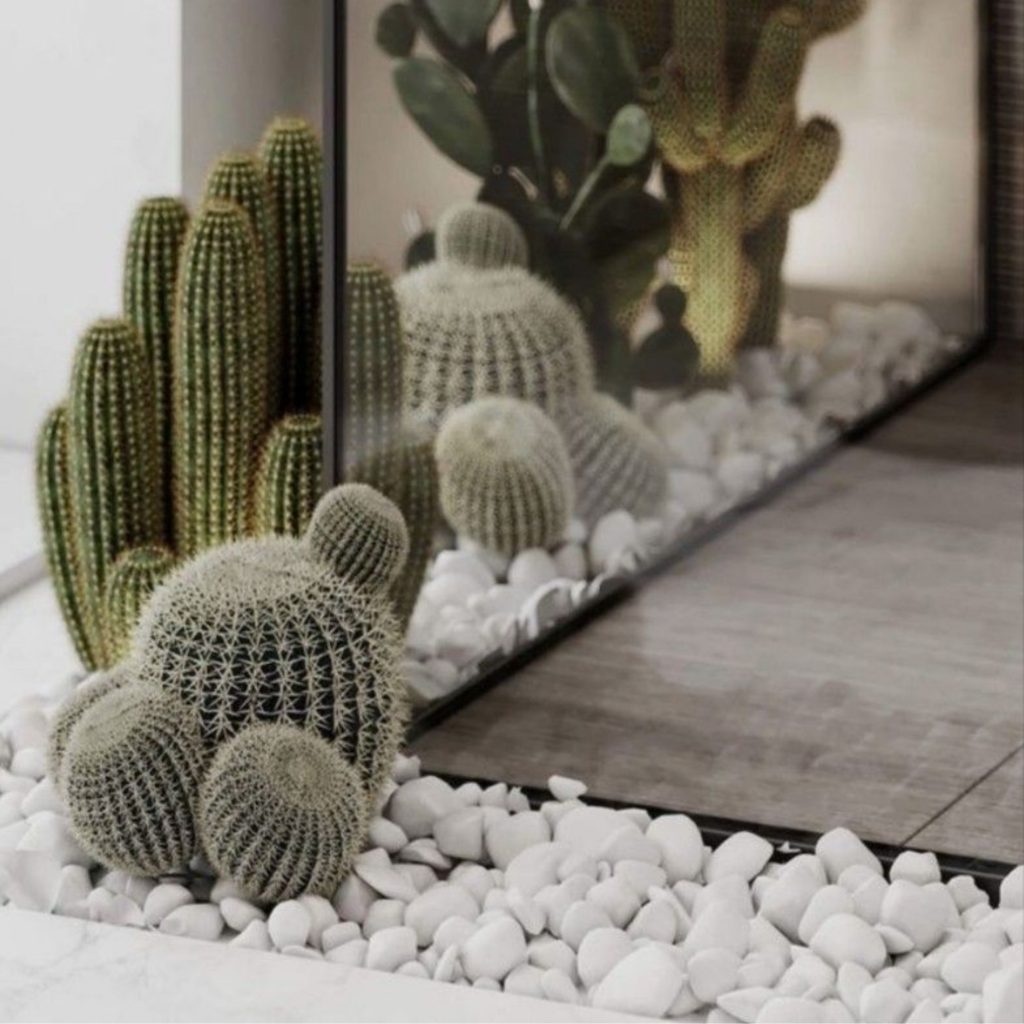
- Elementos Naturais no Espaço | Fonte: Pinterest
Recommendations for Enhancing Well-Being at Home
The home environment can become a genuine ally of well-being when it is designed with intention and sensitivity. A useful starting point is to look closely at the rooms where you spend the most time and identify what causes discomfort or makes daily life feel less effortless. Before introducing new elements, it may be more effective to remove excess and simplify the environment, freeing the space from unnecessary visual noise. From there, reconsidering the furniture layout and improving circulation can subtly yet meaningfully transform your relationship with the home.
Make the most of natural light by using lightweight curtains and strategically positioning mirrors on walls opposite windows. This is a simple way to make the home feel brighter and more welcoming.
Similarly, creating dedicated areas for rest, away from devices and objects associated with work, can make it easier to relax or engage in activities such as meditation. These spaces support mental restoration and help bring a more balanced rhythm to everyday life.
Soft, natural scents can complement this atmosphere, as the sense of smell has a direct impact on emotion. When combined, these gestures can transform an interior into a space that calms the mind and continuously supports well-being.
-
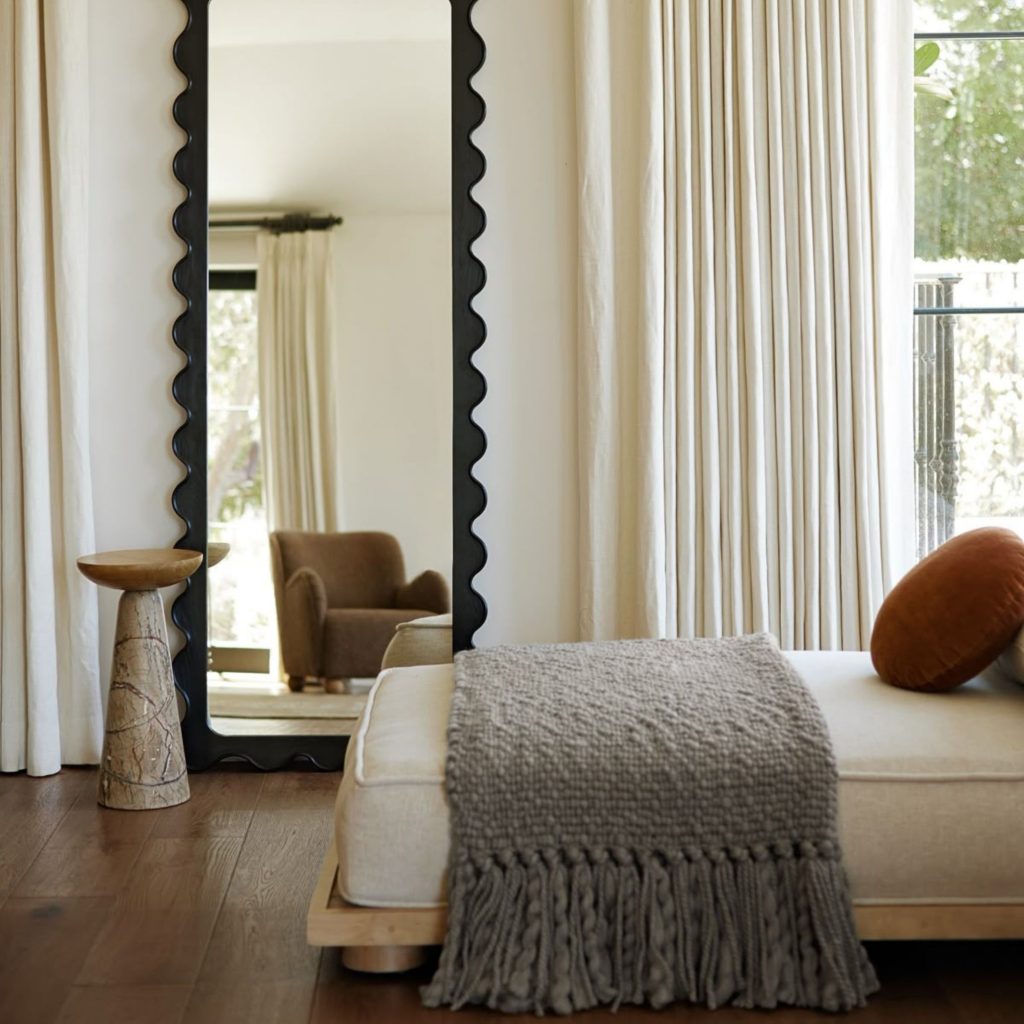
- Espelhos Posicionados Estrategicamente em Frente a uma Janela | Fonte: Pinterest
-
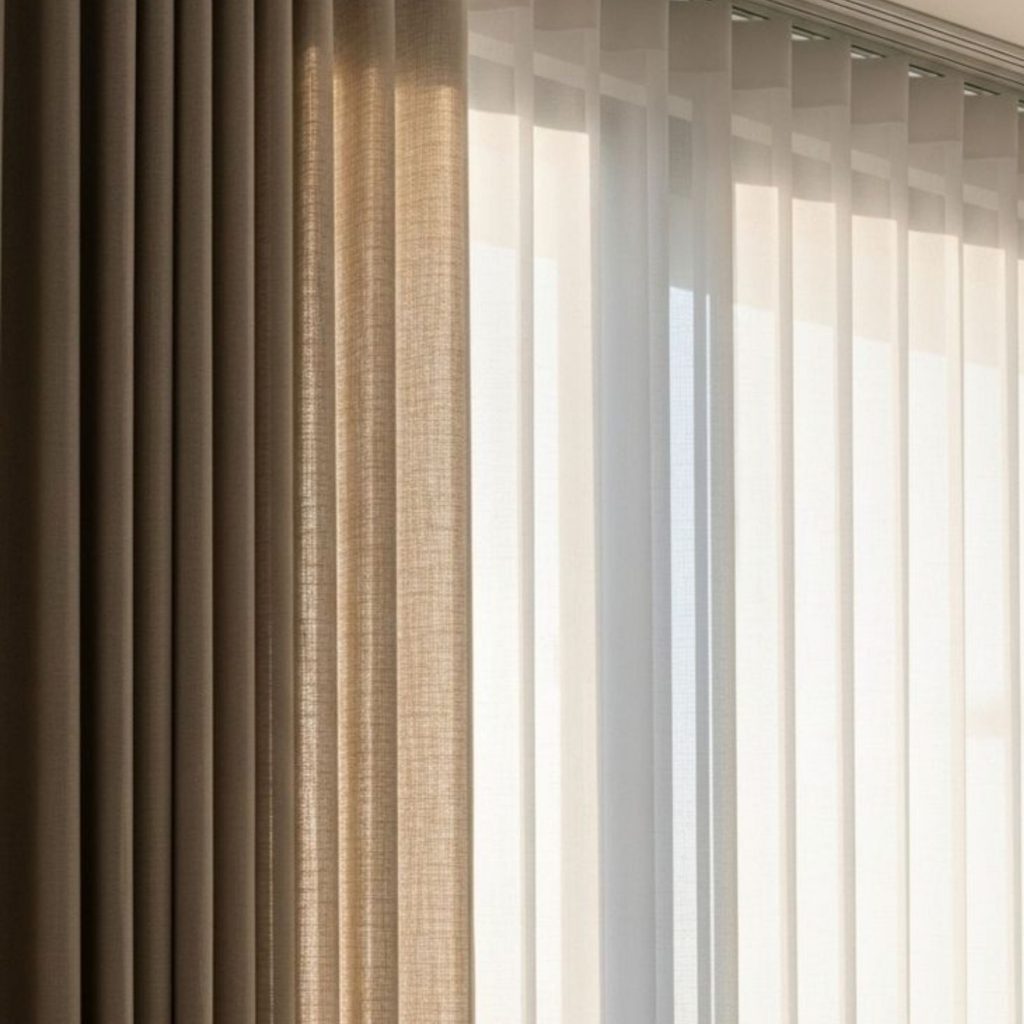
- Cortinas Leves que Deixam Passar a Luz | Fonte: Pinterest
Technology, Neurodesign, and Wellness
The impact of a space on how we feel is far from purely intuitive. Within interior design, it is now widely recognized that environmental stimuli, including décor, can influence mood, behavior, and even the perception of thermal comfort. It is in this context that neurodesign becomes particularly relevant, bringing interior design closer to a more sensitive and evidence-based understanding of how spaces affect the well-being of those who use them.
Today, certain biometric technologies make it possible to understand more precisely how a person responds to a specific environment by analyzing physiological signals such as eye movement, brain activity, heart rate variability, and skin response. These tools can help identify what captures attention, what creates a sense of calm, and what may generate tension or anxiety, allowing spaces to be designed more consciously and with less reliance on assumptions. In this way, the relationship between health and well-being and interior design can also be informed by concrete data, supporting a more human, considered, and emotionally balanced approach.
-
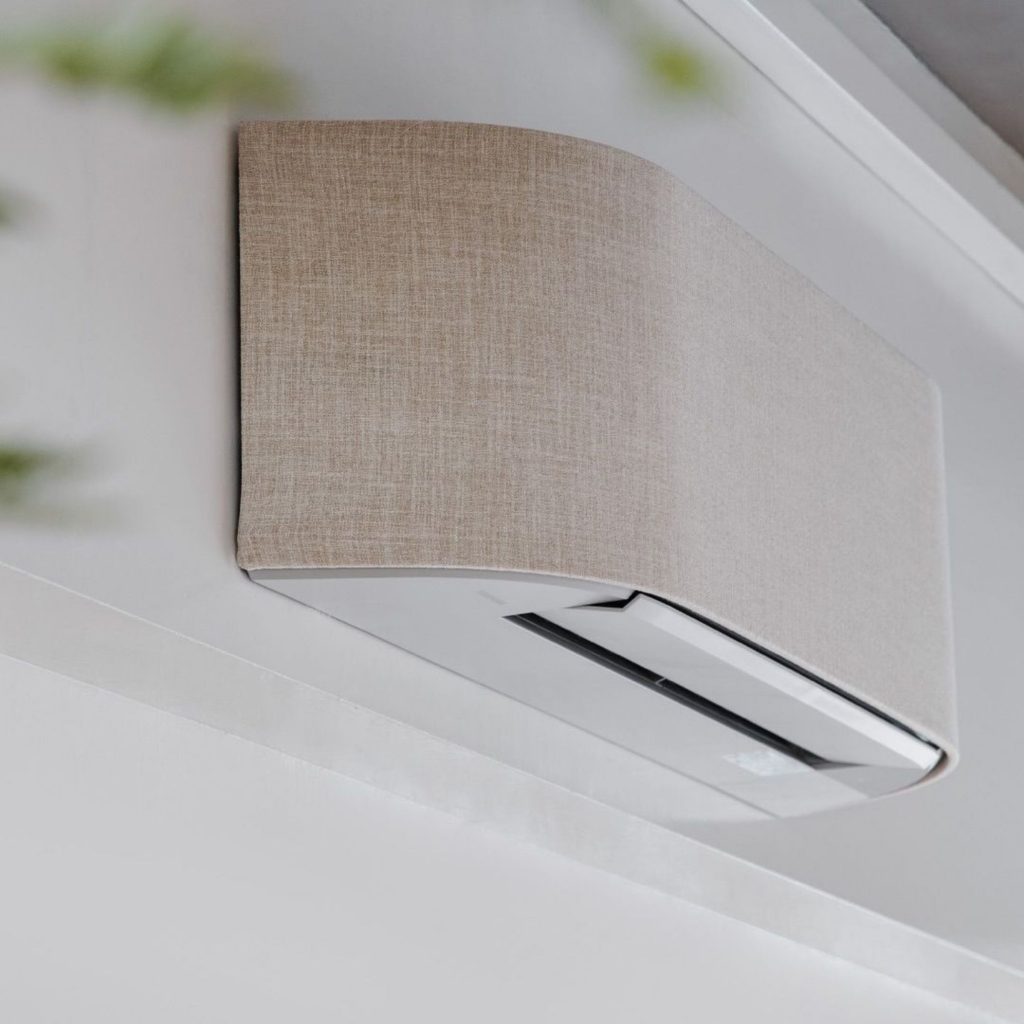
- Conforto Térmico | Fonte: Pinterest
-
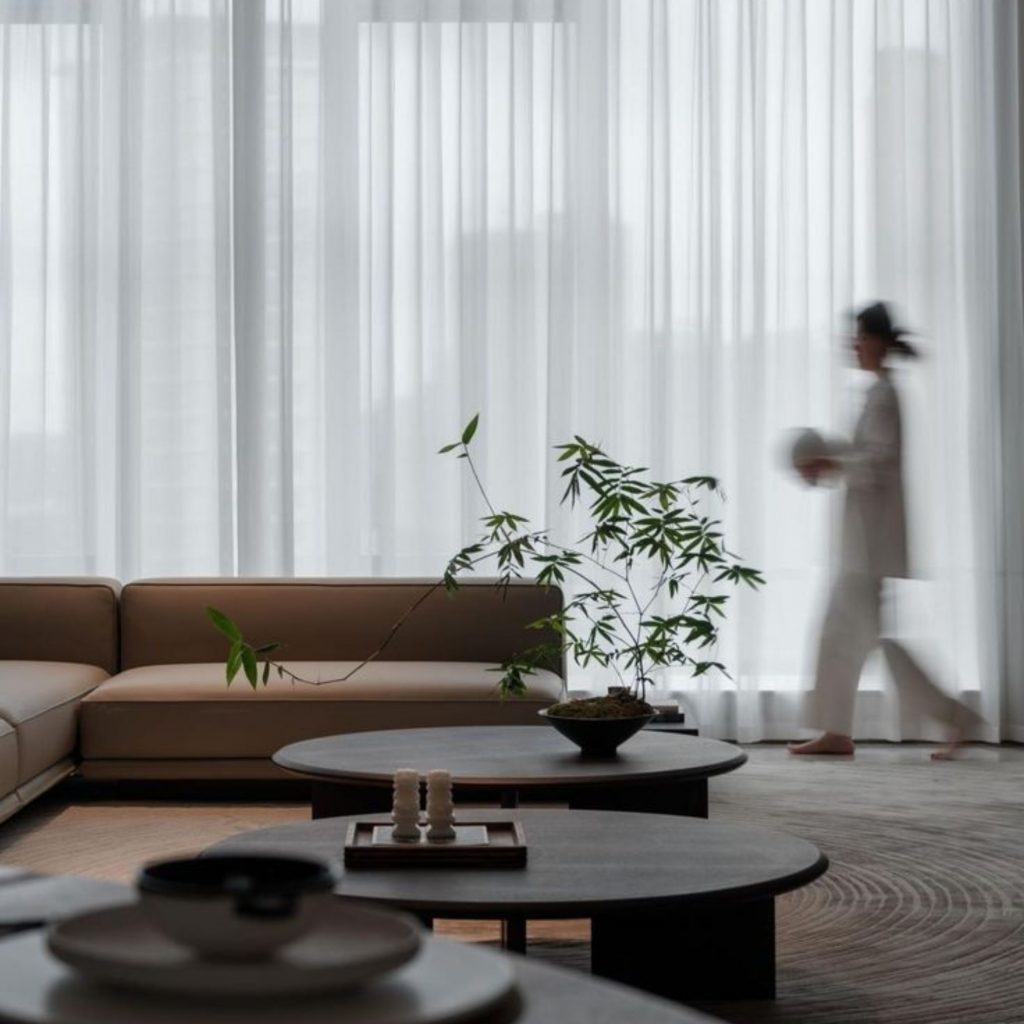
- Relação entre o Bem-Estar e o Design de Interiores | Fonte: Pinterest
Interior design is a discipline guided by far more than aesthetics. It is a tool capable of influencing how we feel from day to day. By considering factors such as light, organization, materials, atmosphere, and even each person’s emotional responses to a space, it becomes possible to create environments that support health and well-being more consciously. When approached with this sensitivity, an interior is no longer simply the place where life happens. It begins to contribute actively to greater physical, mental, and emotional well-being.