Global Fusion | Combining Cultures in Interior Design
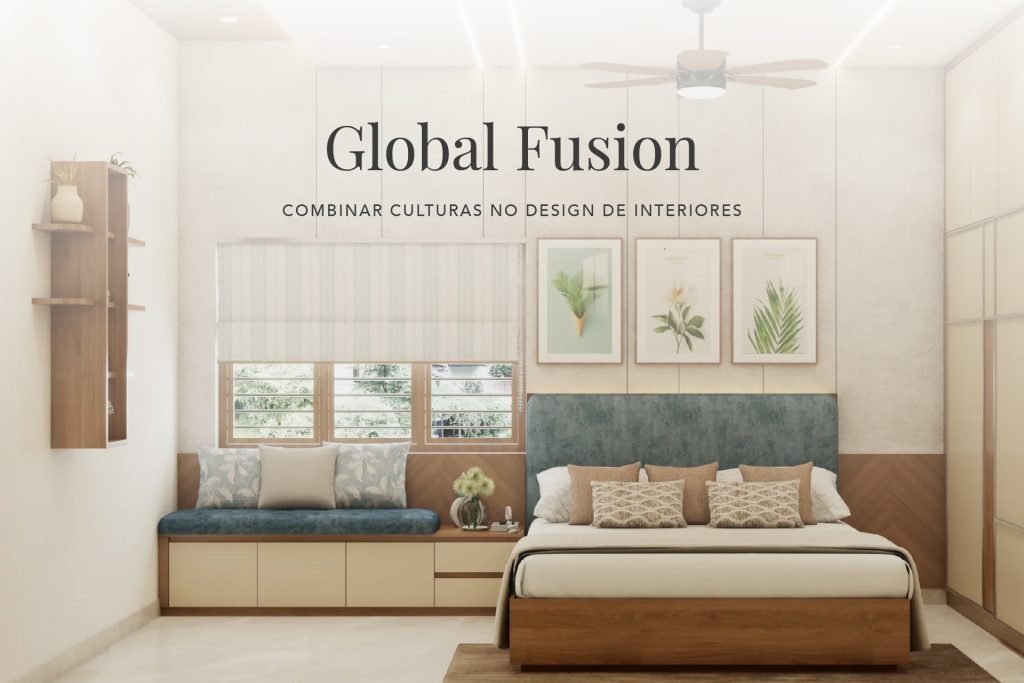
In the world of contemporary interior design, luxury goes beyond materials and finds meaning by combining cultures in interior design. The essence of a space resides in the references, the narratives, and the authenticity behind every choice.
Nowadays, homes reveal a discerning eye for the world: a Moroccan tapestry on the floor of a minimalist living room, a Scandinavian lamp hovering over a table with Oriental features. These are choices that do not follow a predictable logic but instead reveal an intimate, informed, and deeply personal curation.
Discover how cultural references can be blended into your space.
-
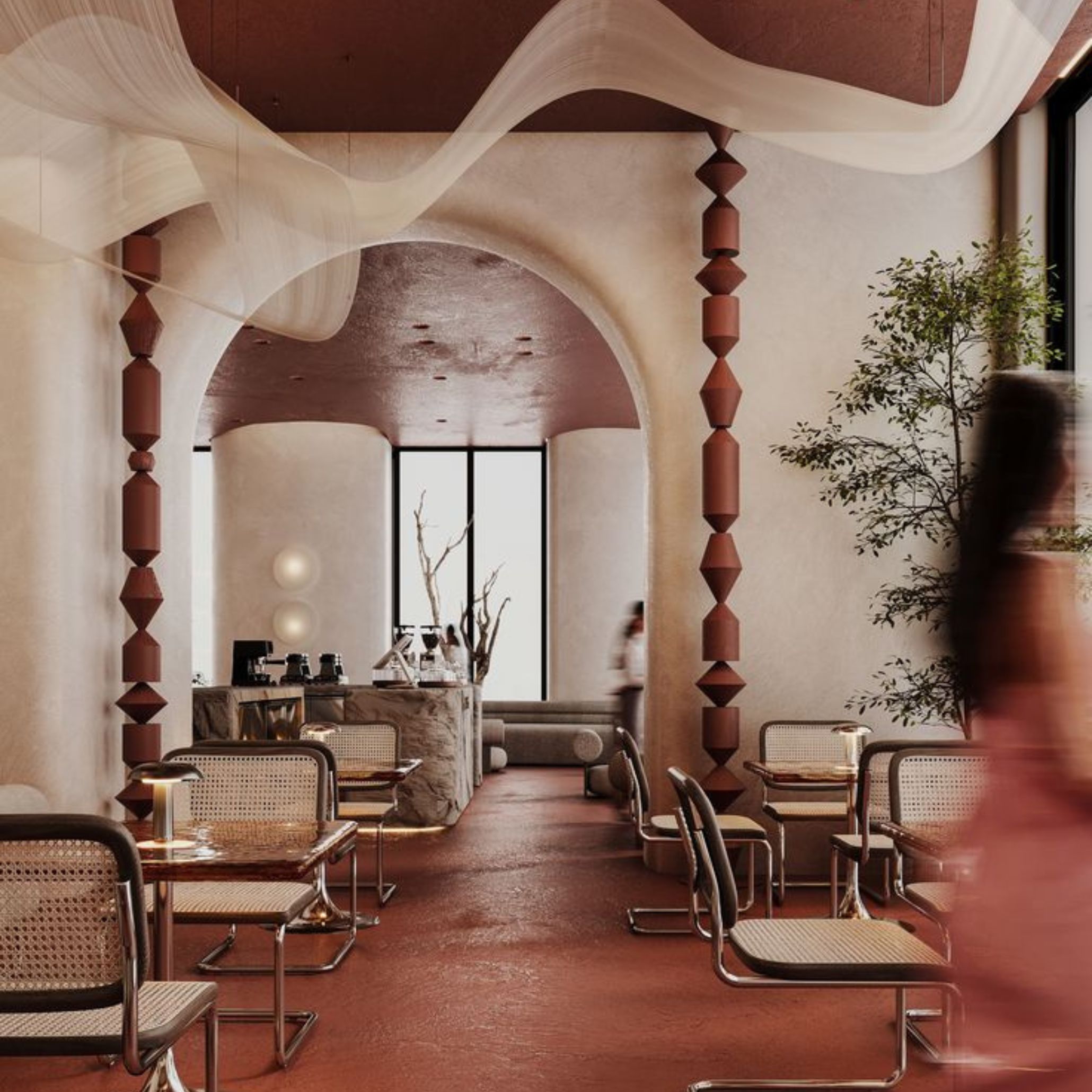
- Café de Inspiração Mediterrânica e Árabe | Fonte: Pinterest
-
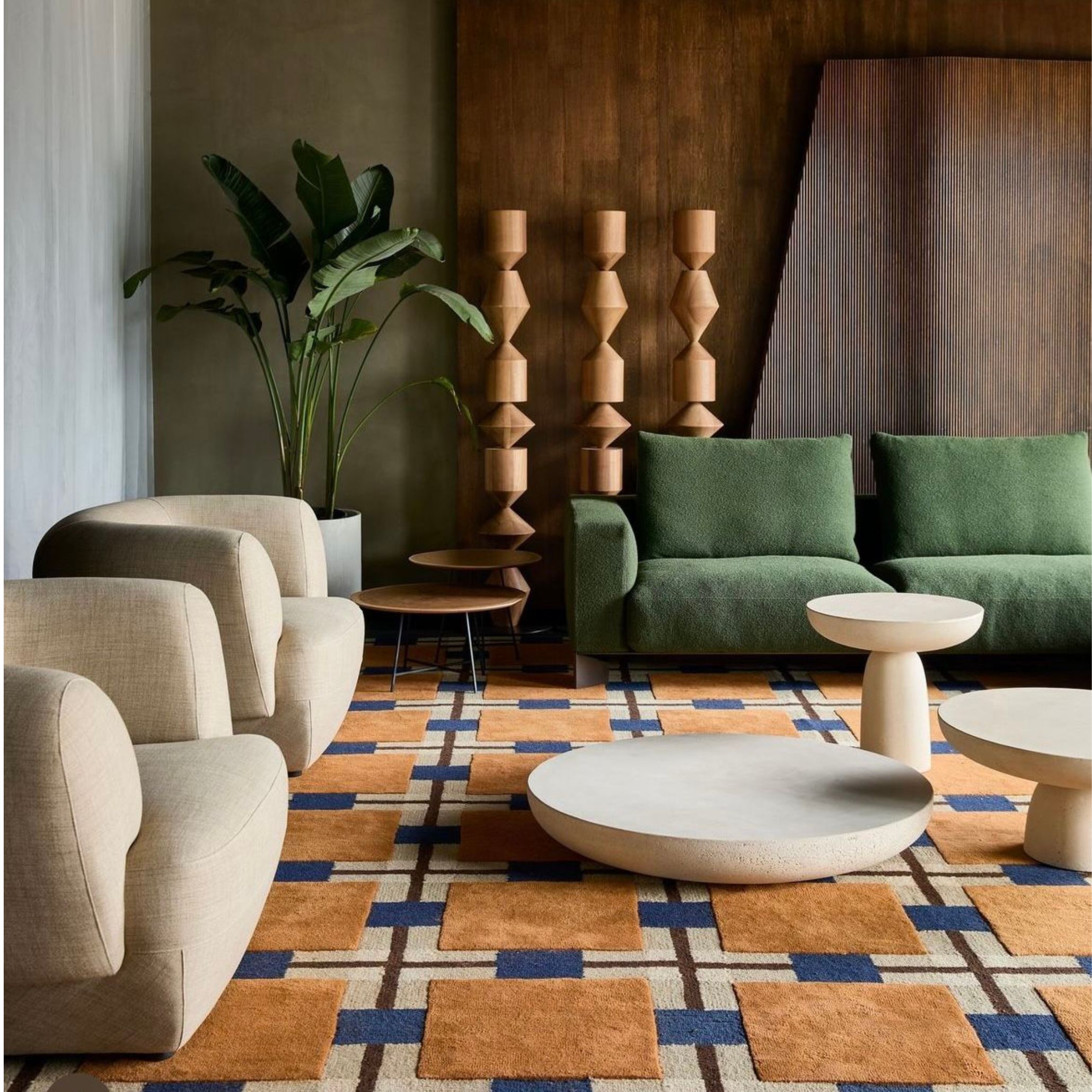
- Texturas Ricas e Cores Vibrantes de Marrocos | Fonte: Pinterest
-
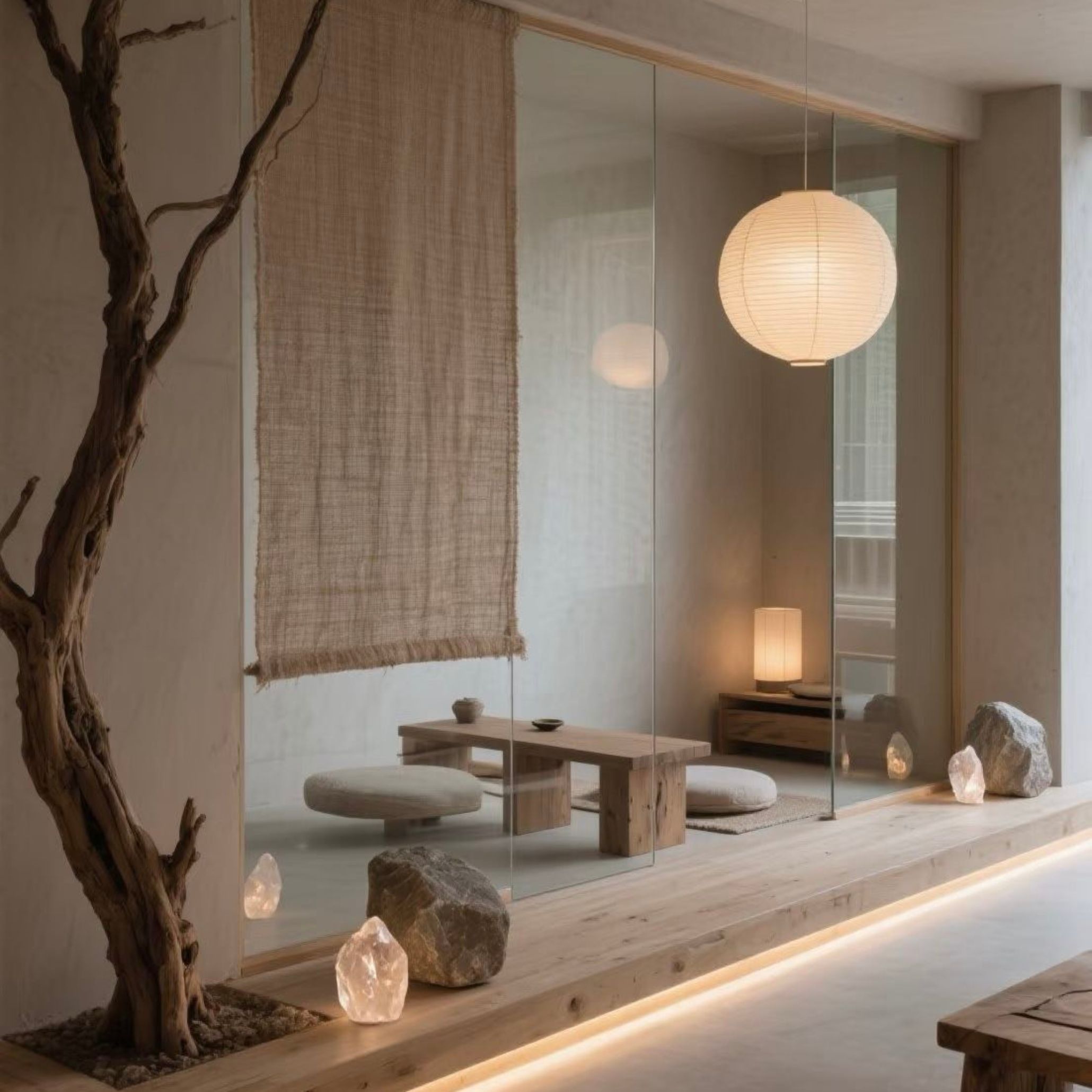
- Espaço Zen Japonês | Fonte: Pinterest
How Does Culture Influence Interior Design?
Interior design, far from being a universal language, is profoundly shaped by the cultures that originate it. Every style carries with it the marks of the climate, local materials, artisanal traditions, and socioeconomic conditions of the region where it was born. These influences are not just aesthetic; they are functional, symbolic, and often emotional.
Exploring different styles is to understand how culture manifests itself in the way we inhabit spaces. Let’s look at a few emblematic examples.
Originating from Scandinavian countries, this style is a direct response to long winters and the scarcity of natural light. For this reason, it favors light colors, natural wood, and simple lines, creating calm and bright environments. Valuing only the essential, Nordic style promotes spaces stripped of excess but rich in comfort and balance. This type of interior design translates a culture centered on comfort (hygge), clarity, and harmony with nature.
-
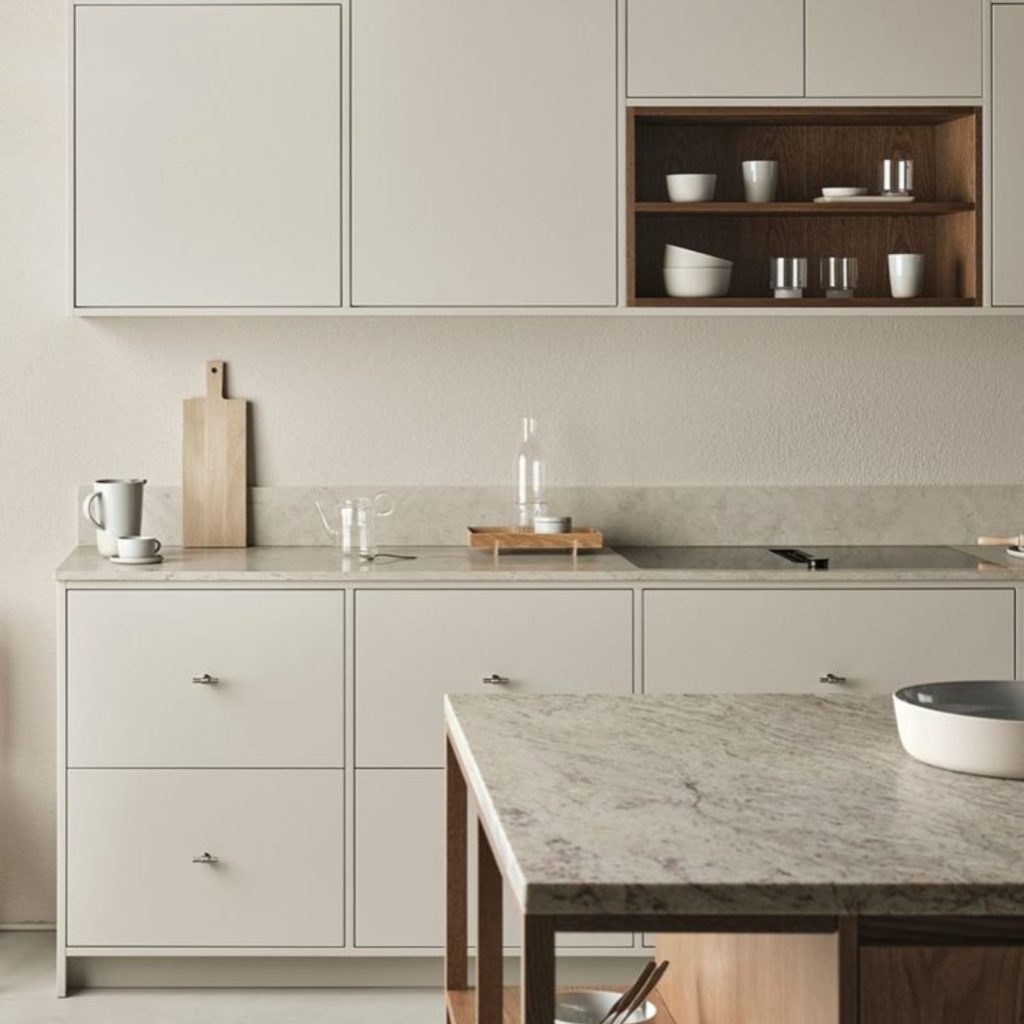
- Cozinha Moderna Centrada no Conceito Hygge | Fonte: Pinterest
-
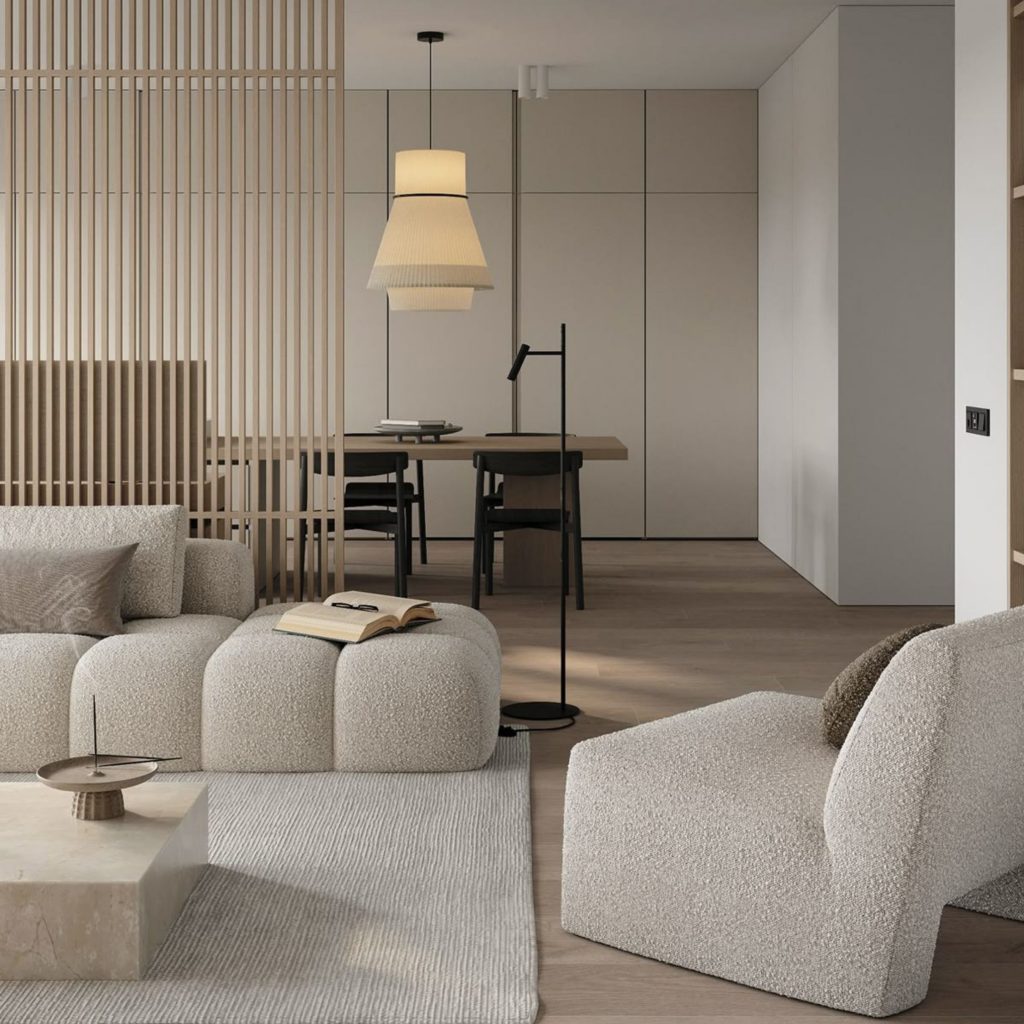
- Open space com tons claros e linhas simples | Fonte: Pinterest
With a subtle balance between tradition and irreverence, the Parisian style reflects the rich architectural heritage of the city of Paris and a naturally sophisticated attitude. Ornate ceilings, herringbone floors, classic moldings, and contemporary design pieces coexist with an almost carefree lightness. French culture values timeless, effortless elegance and the idea that a space should evolve with its inhabitants without ever appearing forced.
-
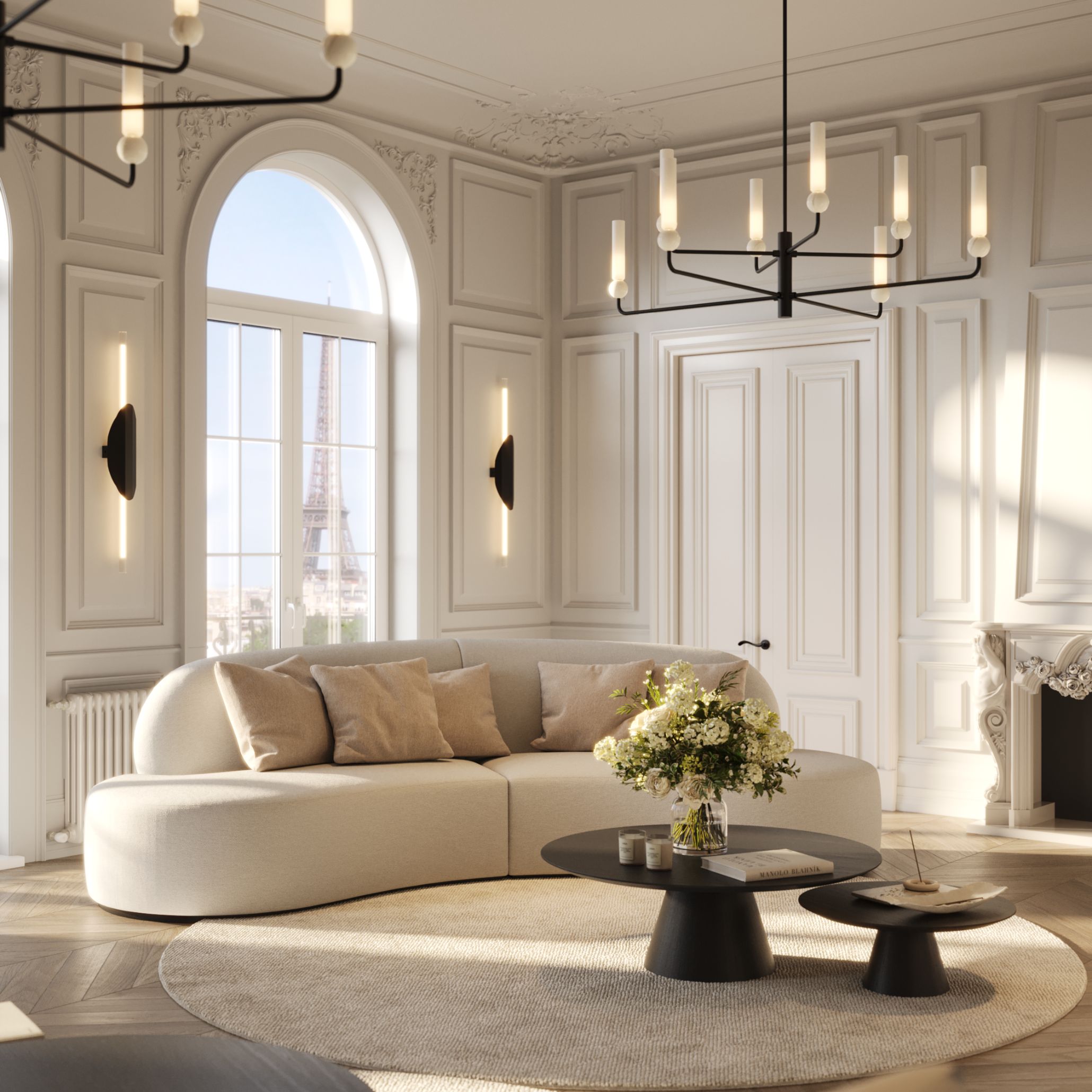
- Sala de Estar Intemporal
-
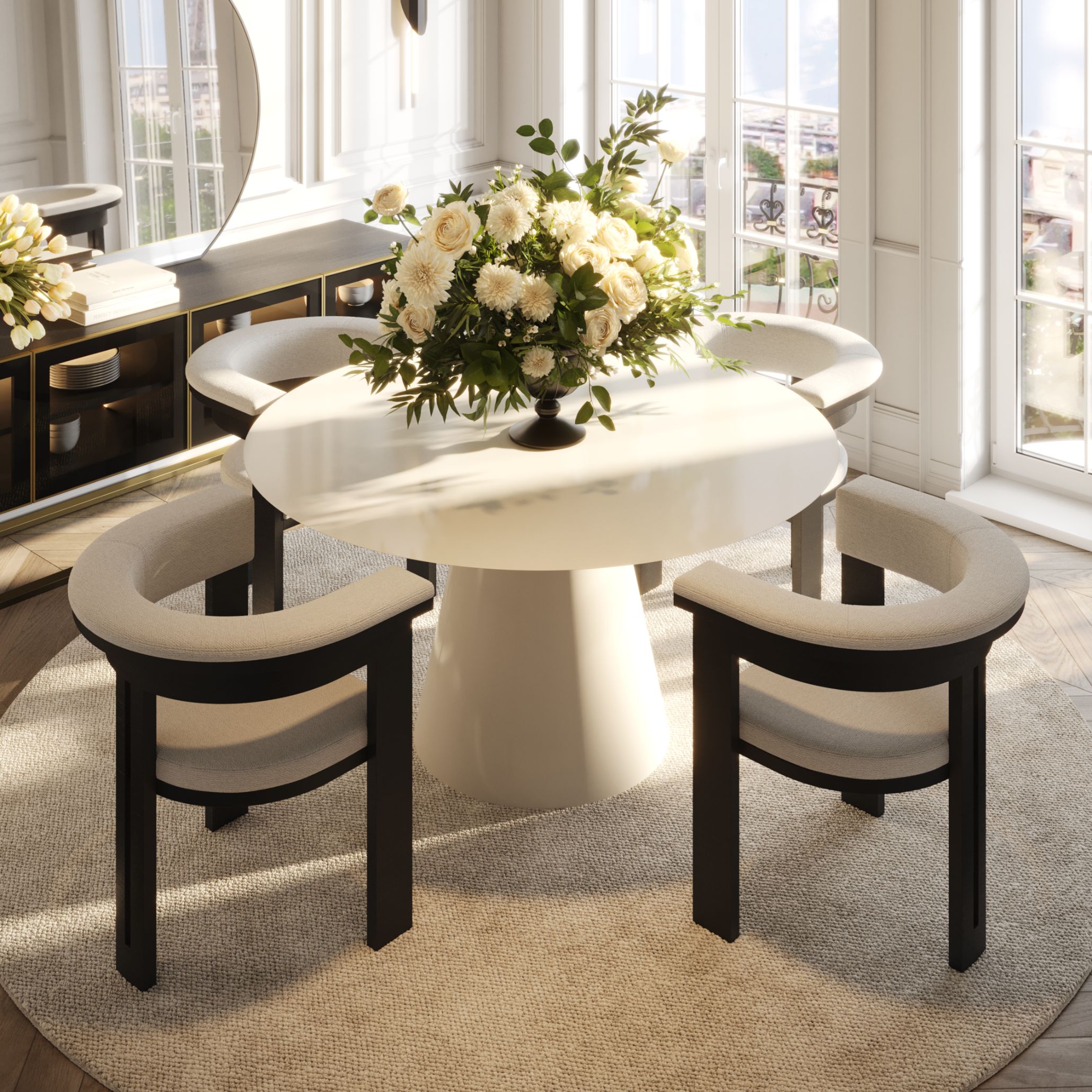
- Sala de Jantar Inspirada no Estilo Parisience
Mediterranean Style
Marked by the sun, the sea, and a life turned toward the outdoors, the Mediterranean style integrates natural materials such as stone, wood, terracotta, and light fabrics. The colors reflect the landscape – white, sand, blue, and olive green – and the homes are characterized by their open and airy environments. This aesthetic translates a culture of sharing, a slower pace of life, and a deep connection to the location and the surrounding nature.
-
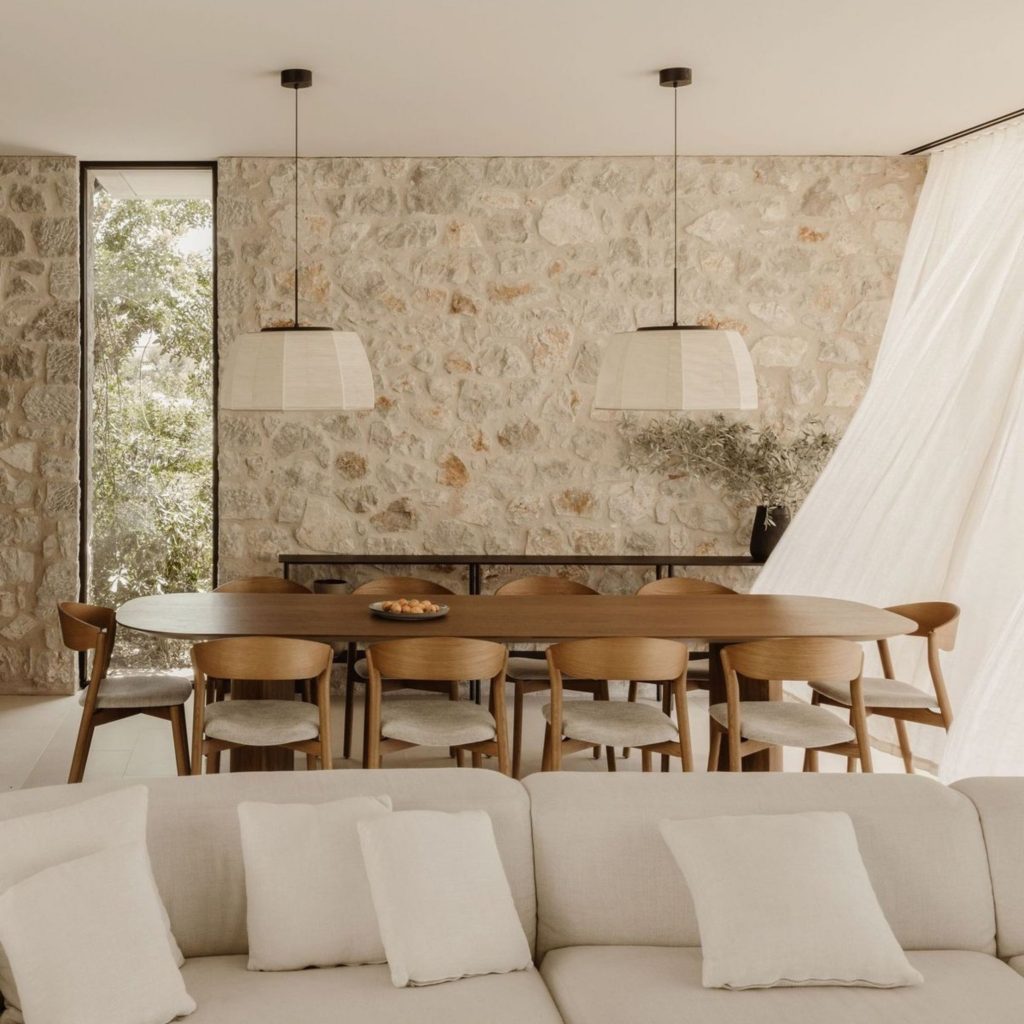
- Materiais Naturais como Parte da Decoração | Fonte: Pinterest
-
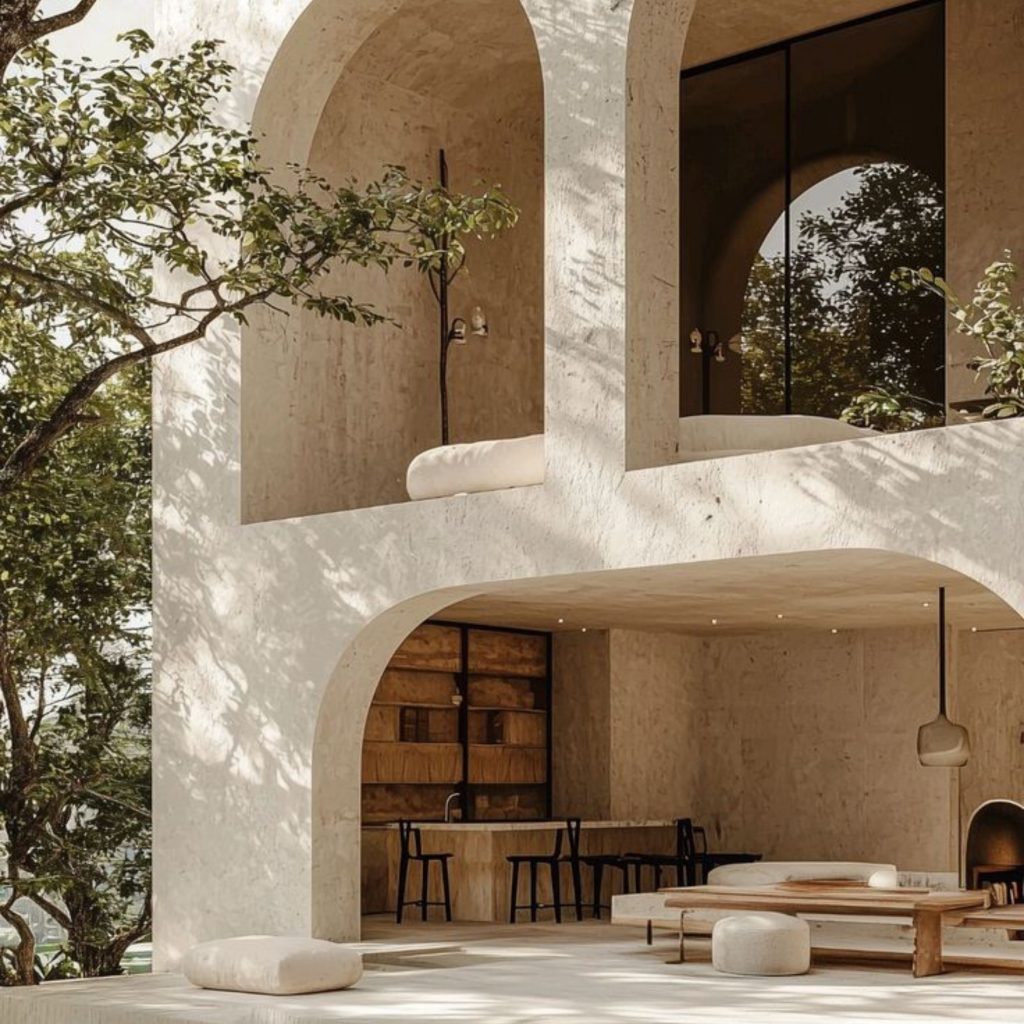
- Casa Caracterizada pelo Ambiente Aberto e Ventilado | Fonte: Pinterest
Middle Eastern Style
In this case, the design is deeply symbolic. The Islamic influence manifests itself in complex geometric patterns, intense colors, ornamental details, and a strong appreciation for craftsmanship. Middle Eastern interiors reflect a culture that values hospitality and spirituality, resulting in immersive spaces designed for physical comfort and inner contemplation.
-
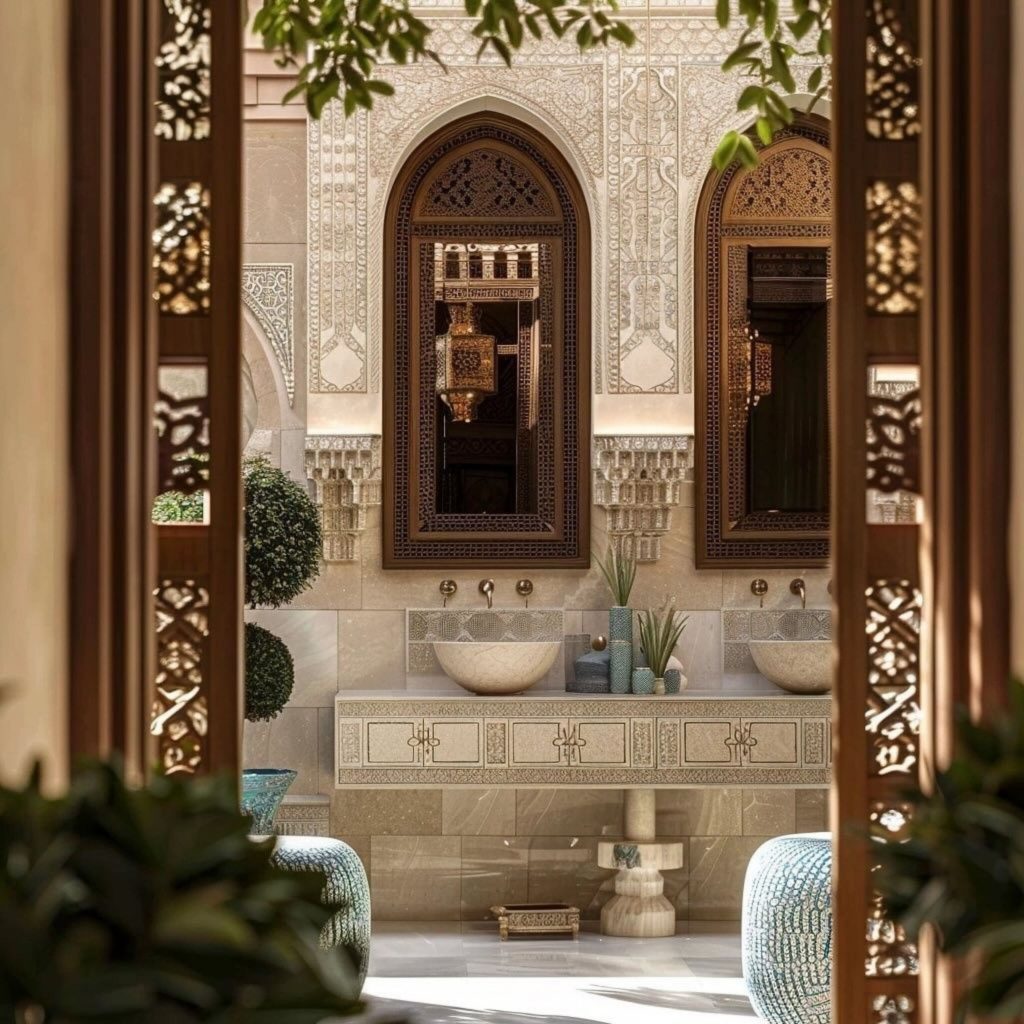
- Casa de Banho com Padrões Geométricos Complexos | Fonte: Pinterest
-
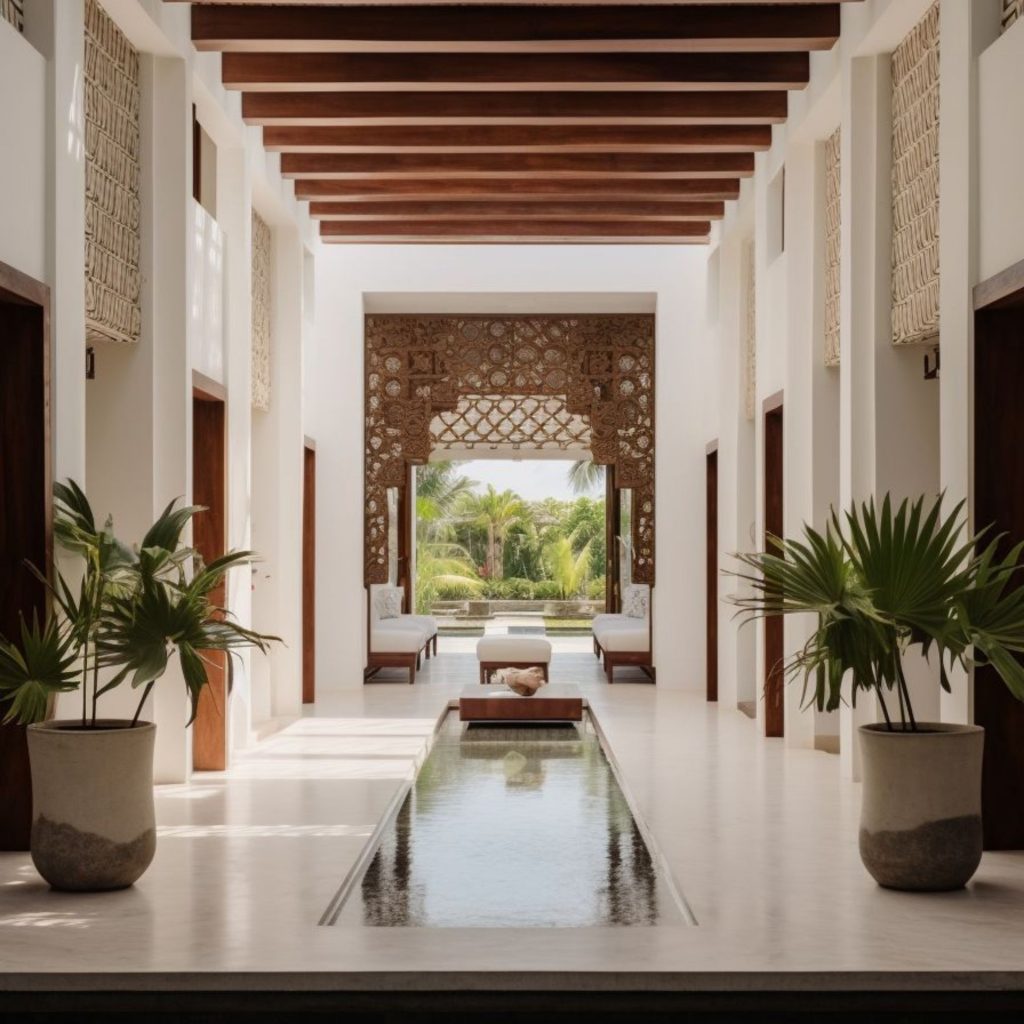
- Espaços que Prezam o Acolhimento e a Espiritualidade | Fonte: Pinterest
Cultural Influences in Jota Barbosa Interiors Projects
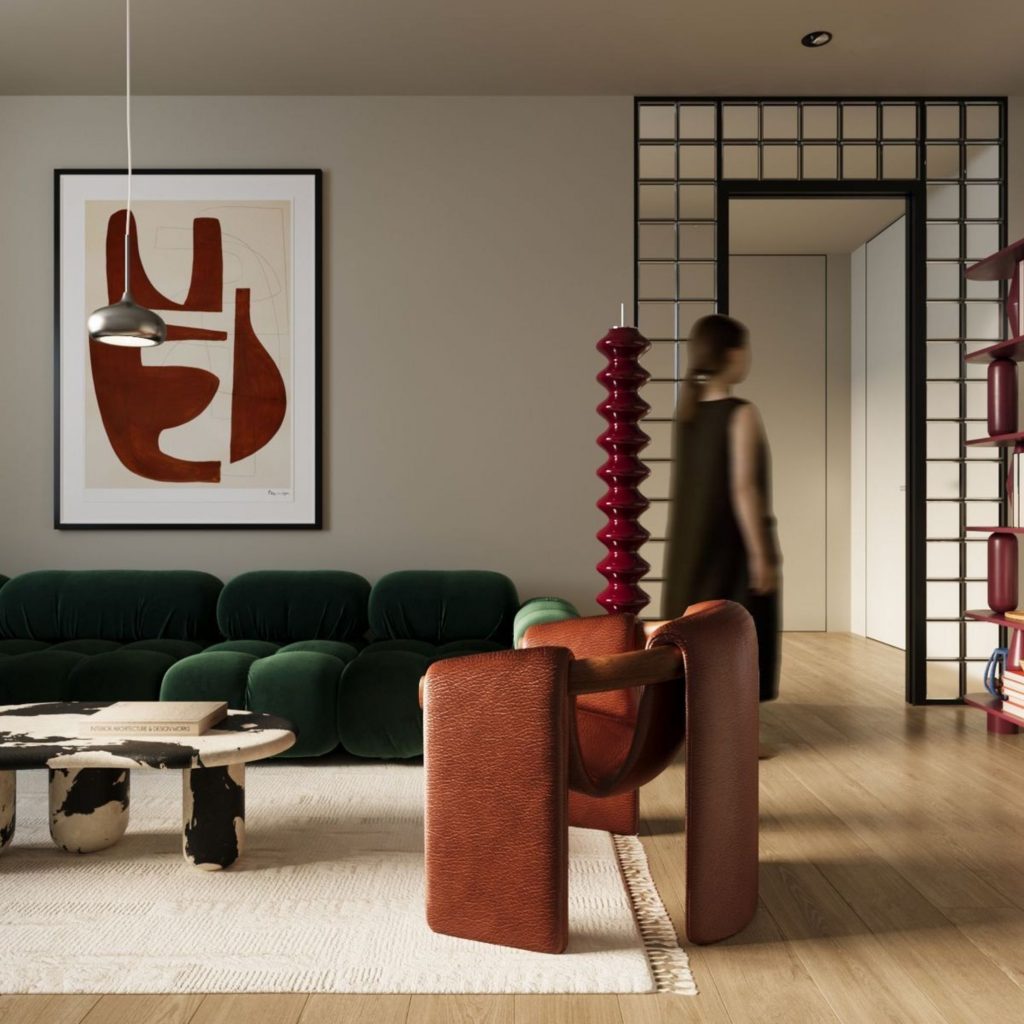
It’s common to have the desire to incorporate specific cultural influences into a project’s composition. In these cases, it becomes fundamental to align the designer’s vision with the expectations of those who will use the space, ensuring that the final result reflects, with accuracy and sensitivity, what is truly sought.
Below, we share some projects where these cultural inspirations were translated into unique, meticulously designed environments.
-
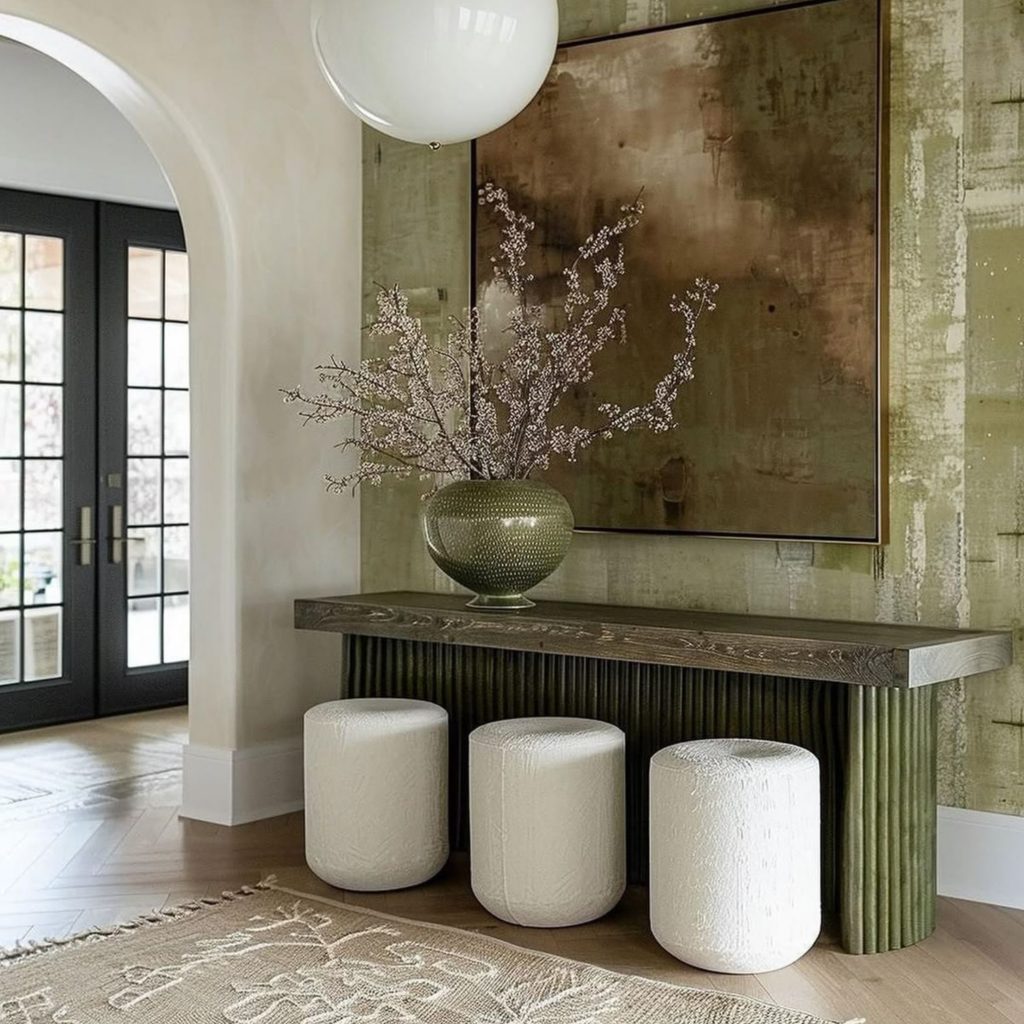
- Influências Culturais na Composição de um Projeto | Fonte: Pinterest
-
- Inspirações Culturais Refletidas em Detalhes Decorativos | Fonte: Pinterest
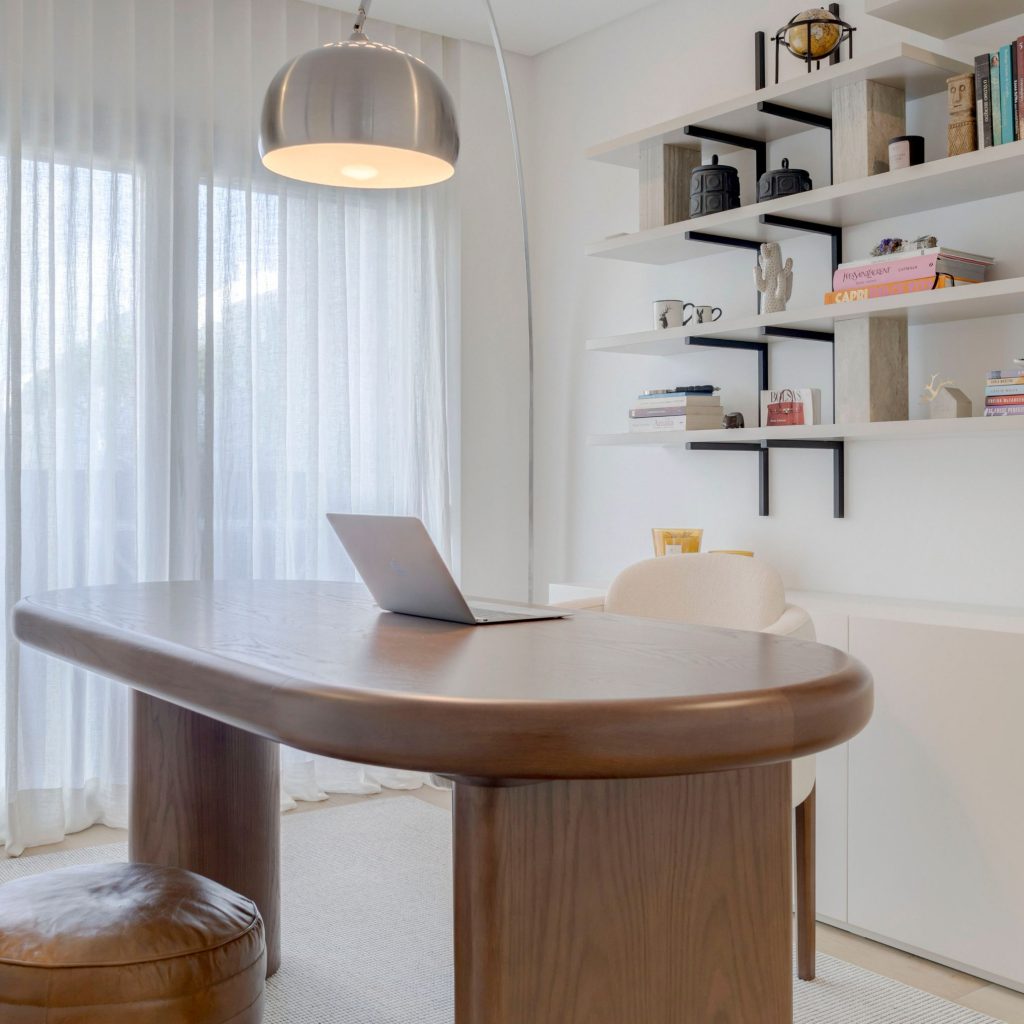
Home Office from the “Imperfection of Matter” Project
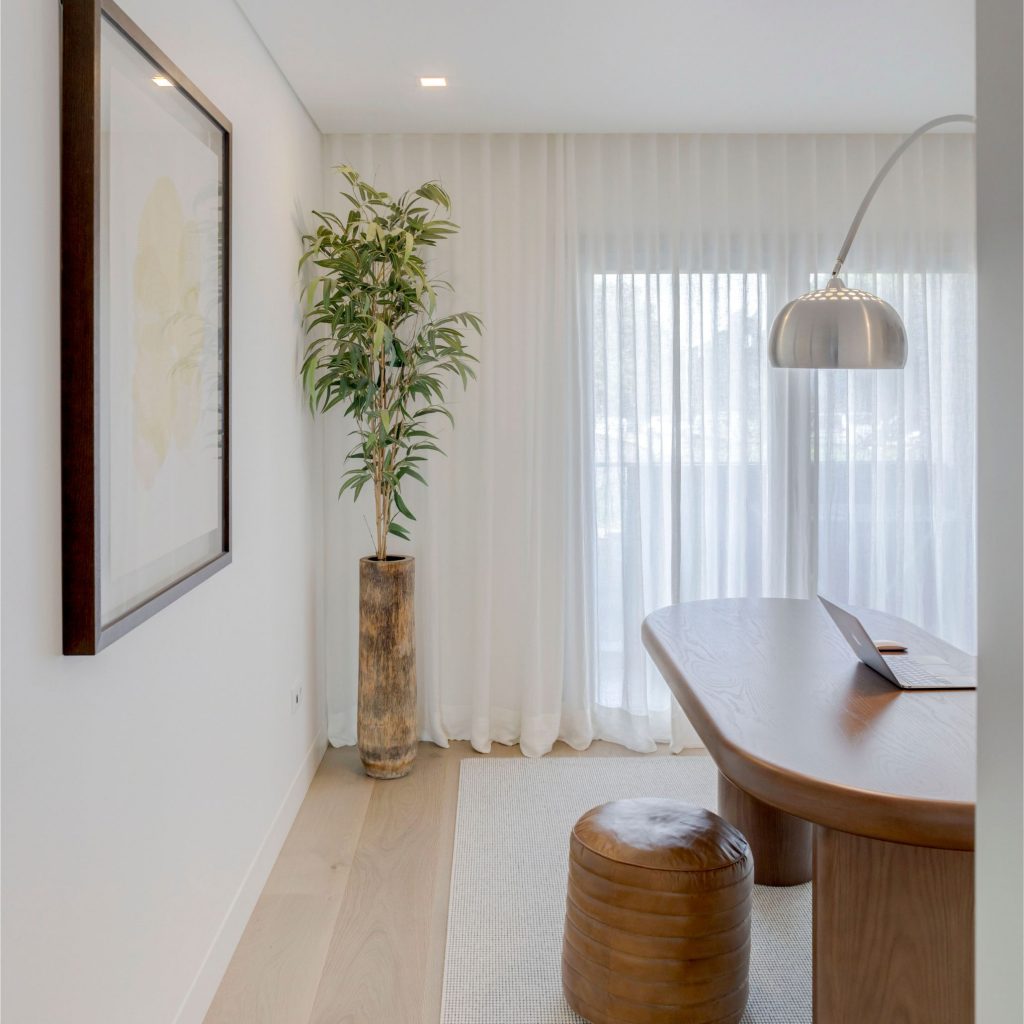
This space subtly honors the Brazilian roots of the residents, being the result of a composition of materials, textures, and memories that crossed the ocean to give new life to this office.
Elements like the natural leather pouf, sourced from local fauna, the elongated vase, or the organically lined wooden desk are examples of the sensory connection to the land of origin. Some of the decorative pieces filling the shelf were also carefully selected and brought directly from Brazil to add layers of authenticity and meaning to this work environment.
-
- Escritório com Influências Brasileiras
-
- Ligação Sensorial à Terra de Origem
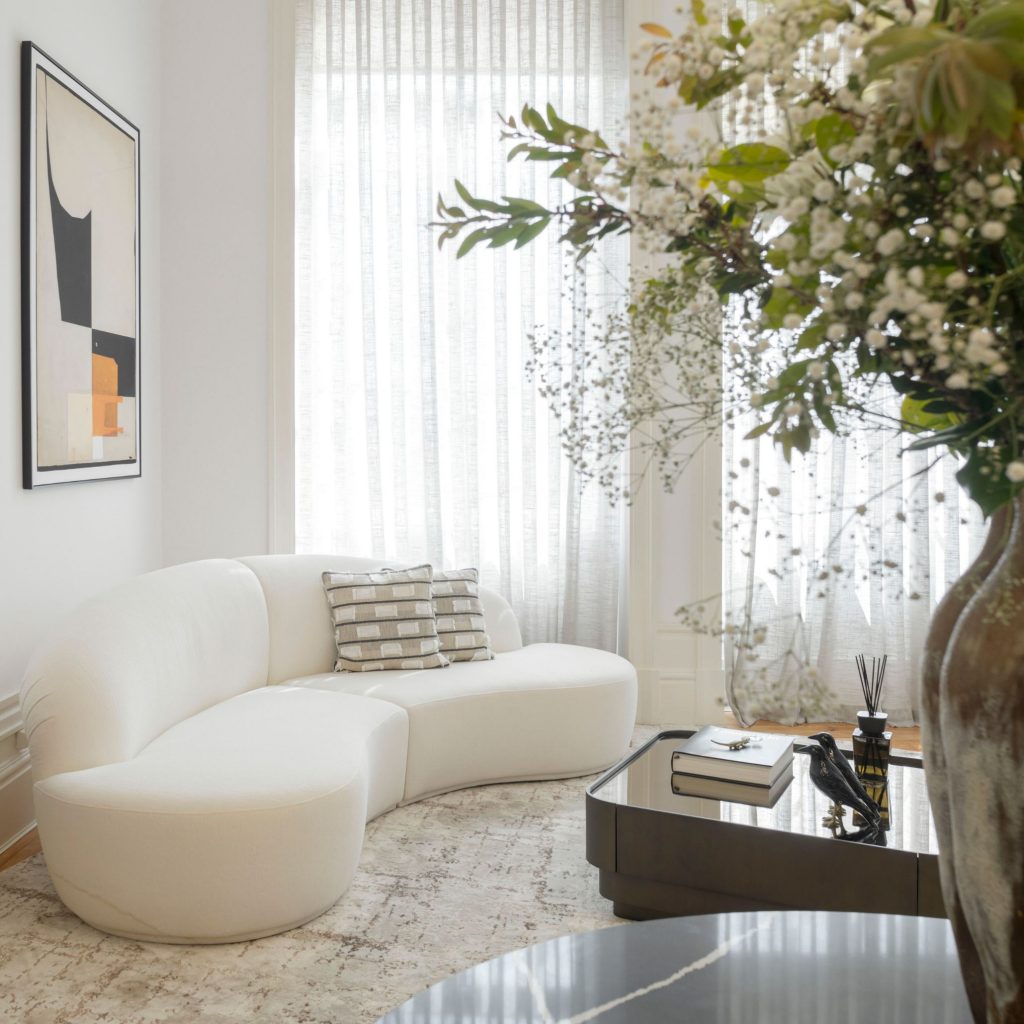
Bringing a modern perspective to a classic building, this office offers a contemporary interpretation of the Parisian style.
The plaster moldings that adorn the ceiling and accompany the baseboards lend the space a classic and architecturally refined touch. The palette, dominated by whites and soft tones, amplifies the natural light entering through the large windows, creating a light and airy atmosphere. The organically-lined sofa, the sophisticated shelving, and the ergonomic chairs introduce a balance between functionality and aesthetics, maintaining the slight irreverence and the carelessly elegant spirit that define contemporary Parisian style.
-
- Interpretação Contemporânea do Estilo Parisiense em Ambiente Corporativo
-
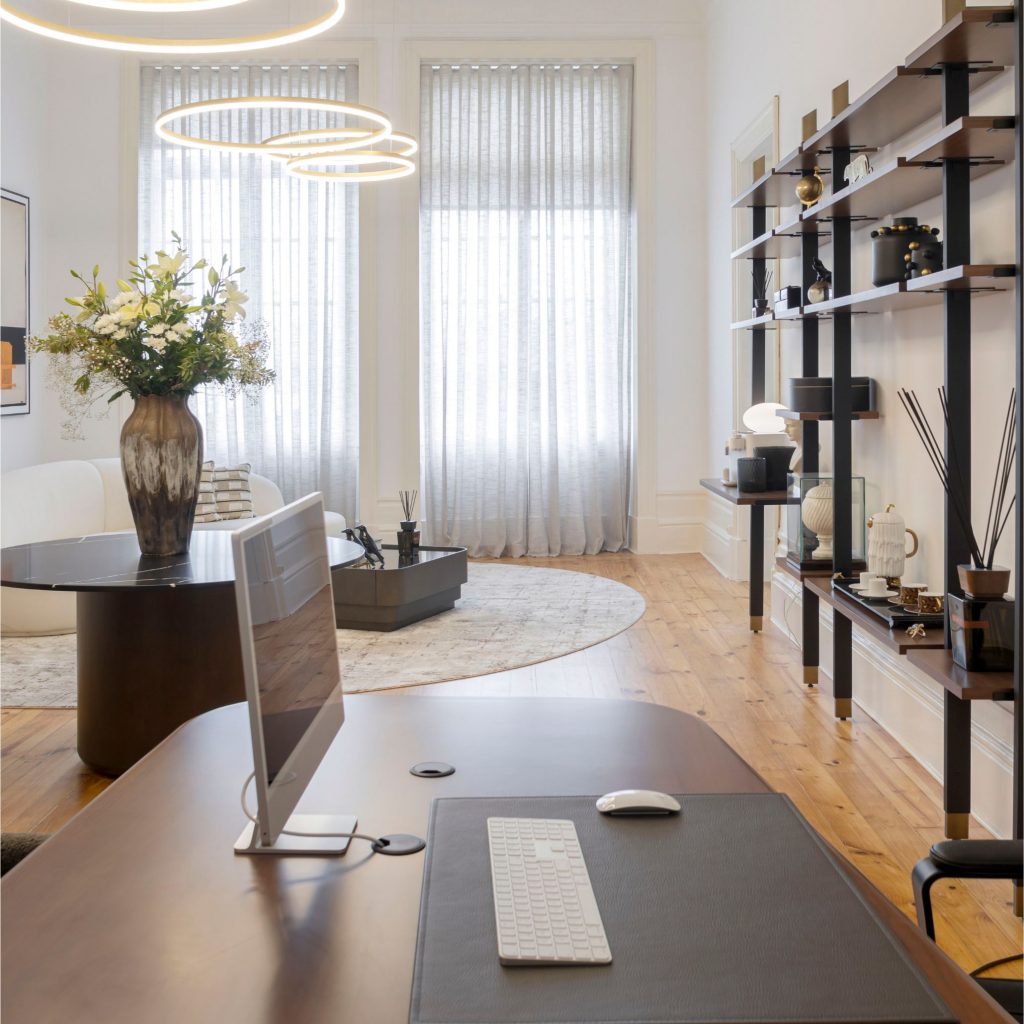
- Escritório em Tons Suaves e Luminoso
Modern Office With Japanese Roots
The offices developed for Hitachi Solutions result from a subtle dialogue between contemporary design and Japanese cultural roots.
Throughout the space, the Japanese influence is manifested in carefully integrated details such as sliding doors, washi paper, bamboo finishes, or lanterns that punctuate the environment. This presence becomes especially evident in the amphitheater, where the steps imitate tatami and the floral decoration evokes species typical of Japanese culture, such as the cherry blossom and the camellia.
-
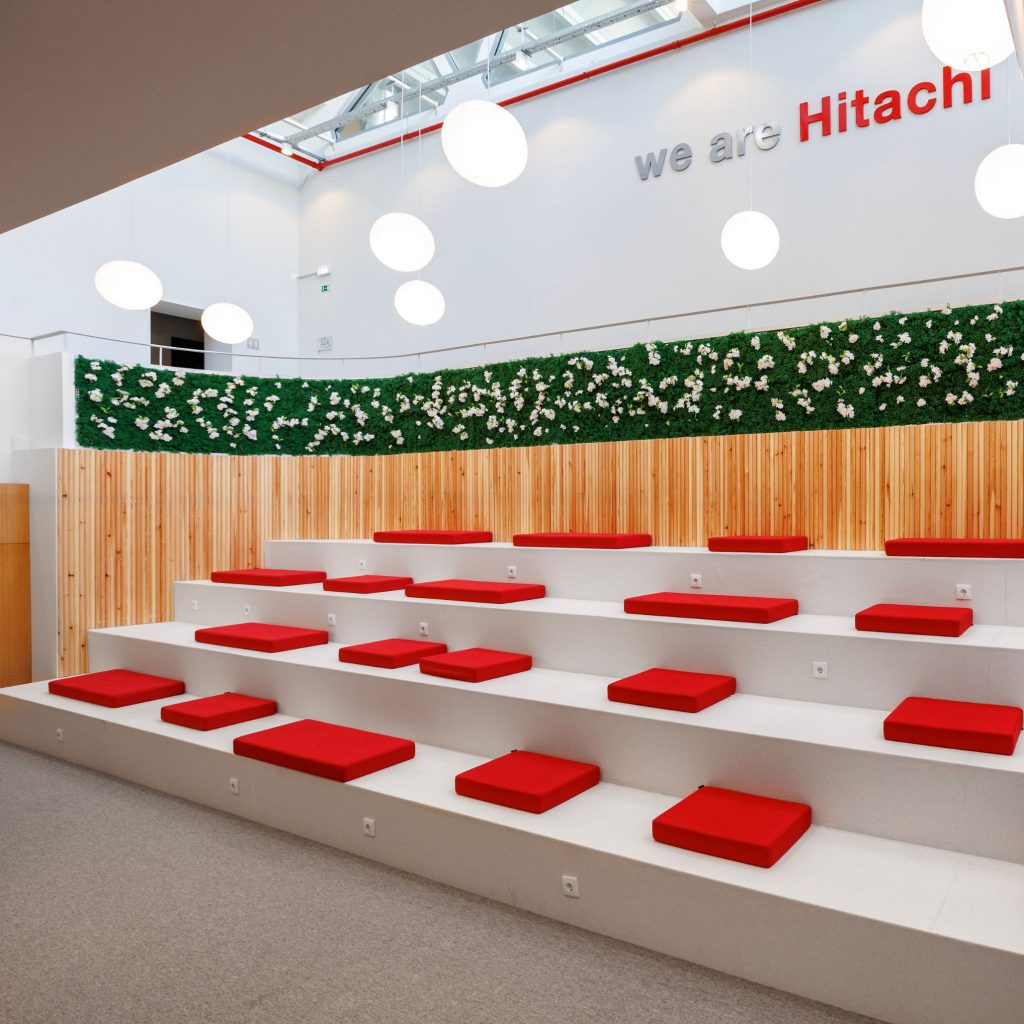
- Degraus que Imitam o Tatami
-
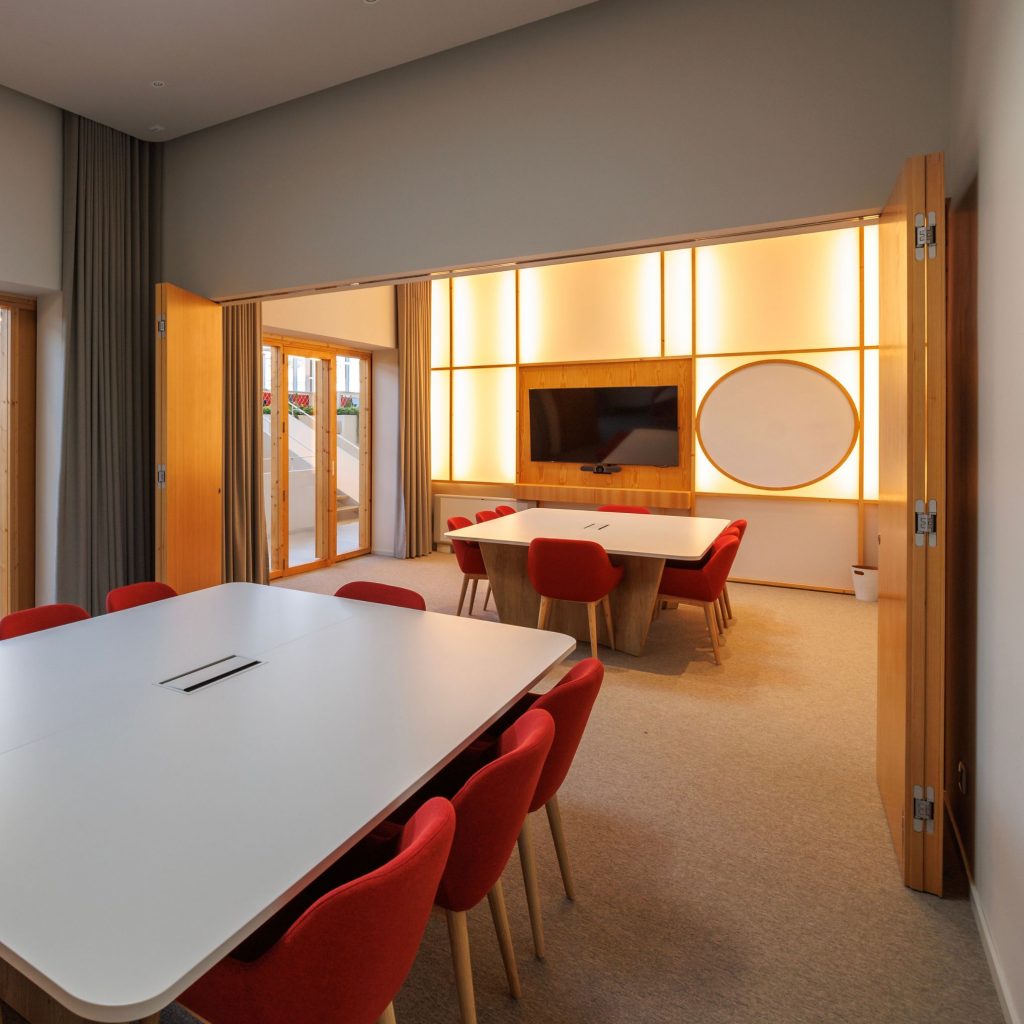
- Design que Evoca Elementos Japoneses
Each style possesses a singular language, capable of enriching any space with authenticity and character. The challenge lies in translating this inspiration with sensitivity, creating visually coherent environments that honor, with respect and intention, the culture from which they emanate.